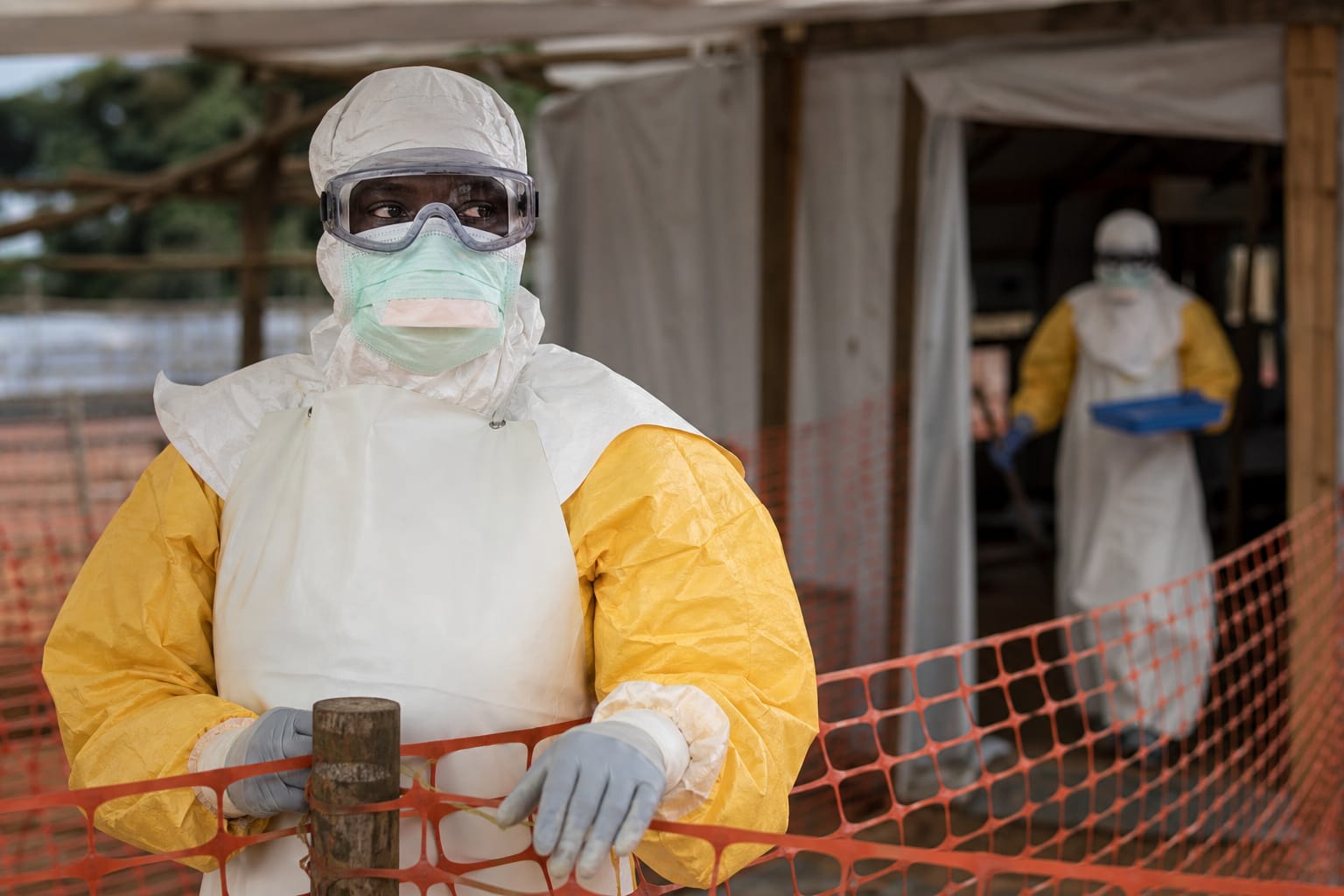
The hantavirus is a wake-up call. Will the Trump administration answer it?
-
By
-
Craig Spencer
-
May 13, 2026
Clinical Report: Hantavirus: A Crucial Alert for the Current Administration's Response
Overview
The recent outbreak of Andes hantavirus aboard the MV Hondius highlights both the strengths and weaknesses of the U.S. public health response system. While specialized facilities and international collaboration have shown effectiveness, significant cuts to surveillance and research infrastructure pose serious risks.
Background
Hantavirus poses a significant public health concern, particularly with the Andes strain, which can transmit between humans. Understanding the response to this outbreak is crucial for improving preparedness against future infectious disease threats. The current situation underscores the importance of maintaining robust surveillance and research capabilities.
Data Highlights
No numerical data or trial data available in the source material.
Key Findings
- The Nebraska biocontainment unit is a Level 1 Regional Emerging Special Pathogen Treatment Center, demonstrating effective preparedness.
- The South African National Institute for Communicable Diseases identified Andes hantavirus within 24 hours, showcasing the value of genomic surveillance.
- Despite effective responses, the U.S. has seen significant cuts to public health infrastructure, impacting disease surveillance and research.
- The CDC's capacity has been diminished, with a notable reduction in staff and resources, hindering timely responses.
- International collaboration, particularly by the WHO, has been essential in managing the outbreak and coordinating responses across countries.
Clinical Implications
Healthcare professionals should be aware of the current guidelines for managing hantavirus cases, including the need for supportive care and monitoring for severe symptoms. The situation emphasizes the importance of maintaining strong public health systems to respond effectively to emerging infectious diseases.
Conclusion
The Andes hantavirus outbreak serves as a critical reminder of the need for sustained investment in public health infrastructure and preparedness. Strengthening these systems is essential to effectively manage future outbreaks.
Related Resources & Content
- Stat News, 2026 -- Experts wonder ‘Where is the CDC?’ as hantavirus outbreak unfolds
- United States Department of Health and Human Services, 2026 -- HHS Supports Repatriation of U.S. Citizens to Specialized Care Facilities
- Stat News, 2026 -- Public health experts are worried about the cruise ship hantavirus outbreak, but not for the reason you might think
- Stat News, 2026 -- What you need to know about hantavirus (don’t panic)
- Clinician Brief: Hantavirus Pulmonary Syndrome (HPS) | Hantavirus | CDC
- Clinician Brief: Hantavirus Pulmonary Syndrome (HPS) | Hantavirus | CDC
- Prospective, double-blind, concurrent, placebo-controlled clinical trial of intravenous ribavirin therapy of hemorrhagic fever with renal syndrome.
- Epidemiological Alert Hantavirus Pulmonary Syndrome in Americas Region - 19 December 2025 - PAHO/WHO | Pan American Health Organization
This content is an AI-generated, fully rewritten summary based on a published scholarly article. It does not reproduce the original text and is not a substitute for the original publication. Readers are encouraged to consult the source for full context, data, and methodology.