Correction: Innate lymphoid cells in the onset, control, and resolution of inflammation
-
By
-
Gregory F. Sonnenberg
-
David Artis
-
November 10, 2026
Clinical Report: Correction: Innate lymphoid cells in inflammation
Overview
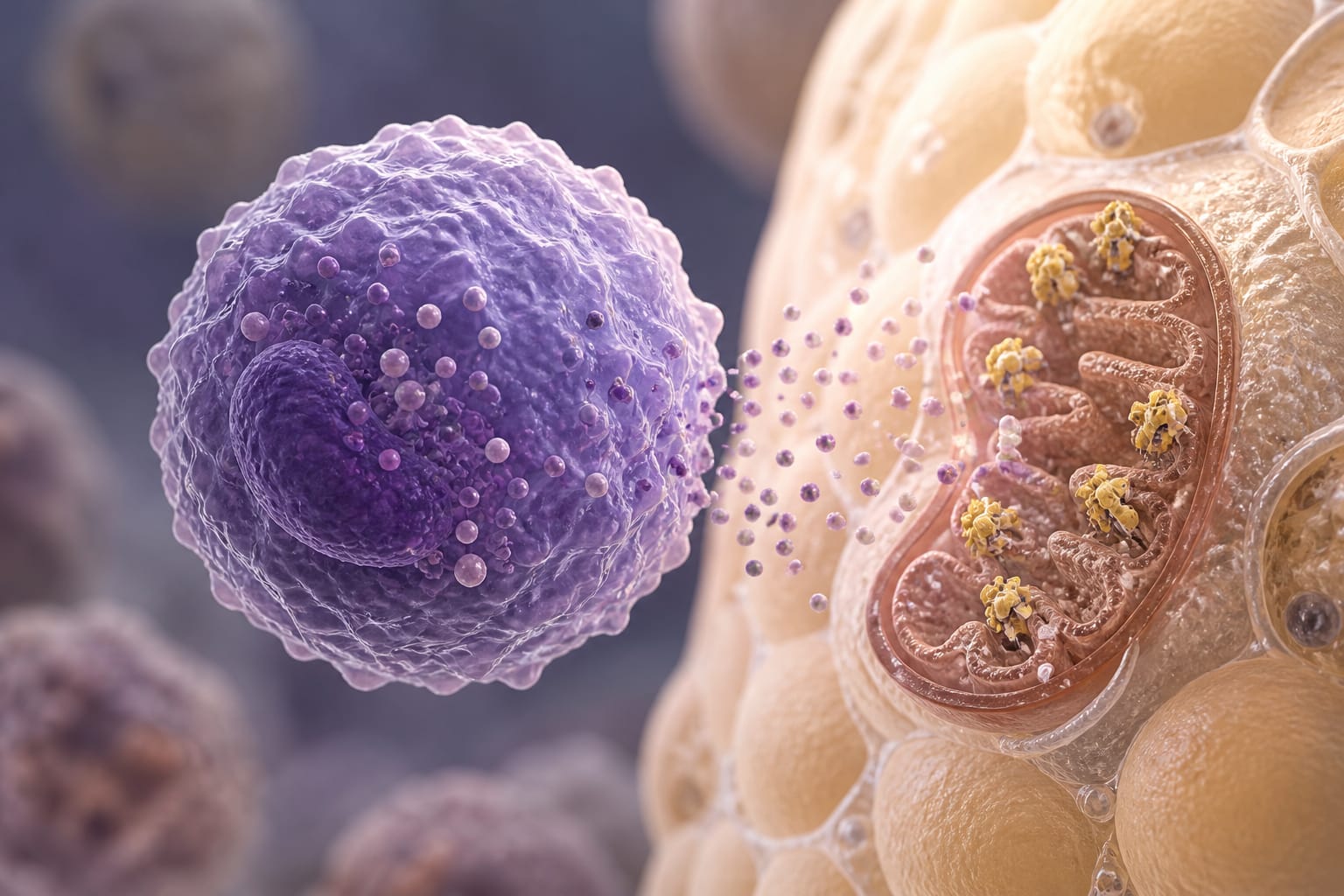
A correction notice amends one phrase in the 2015 Nature Medicine article “Innate lymphoid cells in the onset, control, and resolution of inflammation.” In the section on ILC2s and metabolic homeostasis, “transcription factor Ucp1” should read “mitochondrial carrier protein Ucp1.”
Background
Innate lymphoid cells are the subject of the cited review on the onset, control, and resolution of inflammation. The correction concerns wording in its discussion of ILC2s and metabolic homeostasis. It specifies the classification of Ucp1 as a mitochondrial carrier protein rather than a transcription factor. The notice identifies the original article as published online on 29 June 2015.
Data Highlights
This correction notice reports a textual amendment and provides no numerical or trial data.
Key Findings
- The notice corrects Nature Medicine DOI 10.1038/nm.3892, published online on 29 June 2015.
- The affected passage is in the section “ILC2s and metabolic homeostasis.”
- The original phrase “expression of the transcription factor Ucp1” was incorrect.
- The corrected phrase is “expression of the mitochondrial carrier protein Ucp1.”
- The notice describes this as an amendment to the initially published version.
Clinical Implications
The correction clarifies the molecular description of Ucp1 in the cited review. The notice does not report new clinical data or provide clinical recommendations.
Conclusion
The notice makes a specific terminology correction concerning Ucp1 in the review’s discussion of ILC2s and metabolic homeostasis.
Related Resources & Content
- Nature Medicine, 2015 — Correction: Innate lymphoid cells in the onset, control, and resolution of inflammation
- Frontiers in Immunology, 2026 — Innate immune regulation of adaptive immunity: mechanisms, implications, and bias
- Frontiers in Immunology, 2026 — Type 3 innate lymphoid cells dominate the ILC compartment in endstage lung disease
- MDSpire News — Link Between Key Immune Pathways in IBD
- Frontiers in Immunology — Editorial: The role of innate immunity in the pathogenesis of autoimmune and autoinflammatory diseases
- GINA Strategy Report 2026 Front Cover
- The immunology of asthma
- International Consensus Statement on Allergy and Rhinology: Allergic Rhinitis – 2023 Update
- Tezepelumab in Adults with Severe Chronic Rhinosinusitis with Nasal Polyps
- Tezepelumab in Adults with Severe Chronic Rhinosinusitis with Nasal Polyps
- Early and Sustained Improvements in Sense of Smell With Tezepelumab Treatment in Patients With Chronic Rhinosinusitis With Nasal Polyps (WAYPOINT)
- Efficacy of tezepelumab in chronic rhinosinusitis with nasal polyps: a systematic review and meta-analysis.
- Tezspire approved in the US for chronic rhinosinusitis with nasal polyps
- Surgery and/or biologics in chronic rhinosinusitis with nasal polyps: EUFOREA/EPOS consensus paper - PubMed
- Executive Summary of the Clinical Practice Guideline on Adult Sinusitis Update
- Living EuroGuiDerm Guideline for the systemic treatment of Atopic Eczema | EDFG
- Atopic dermatitis
- ACG Clinical Guideline: Diagnosis and Management of Eosinophilic Esophagitis
- American Society for Gastrointestinal Endoscopy consensus recommendations on the endoscopic management of eosinophilic esophagitis―part 2: disease assessment, monitoring, and pediatric considerations
- The Immune Architecture of Eosinophilic Esophagitis: Mechanisms, Therapeutic Targets, and Precision Management
Based on findings from:
Author Correction: Innate lymphoid cells in the initiation, regulation and resolution of inflammation
Gregory F. Sonnenberg, David Artis. Nature Medicine, 2026.
https://www.nature.com/articles/s41591-026-04799-4
This content is an AI-generated, fully rewritten summary based on a published scholarly article. It does not reproduce the original text and is not a substitute for the original publication. Readers are encouraged to consult the source for full context, data, and methodology.