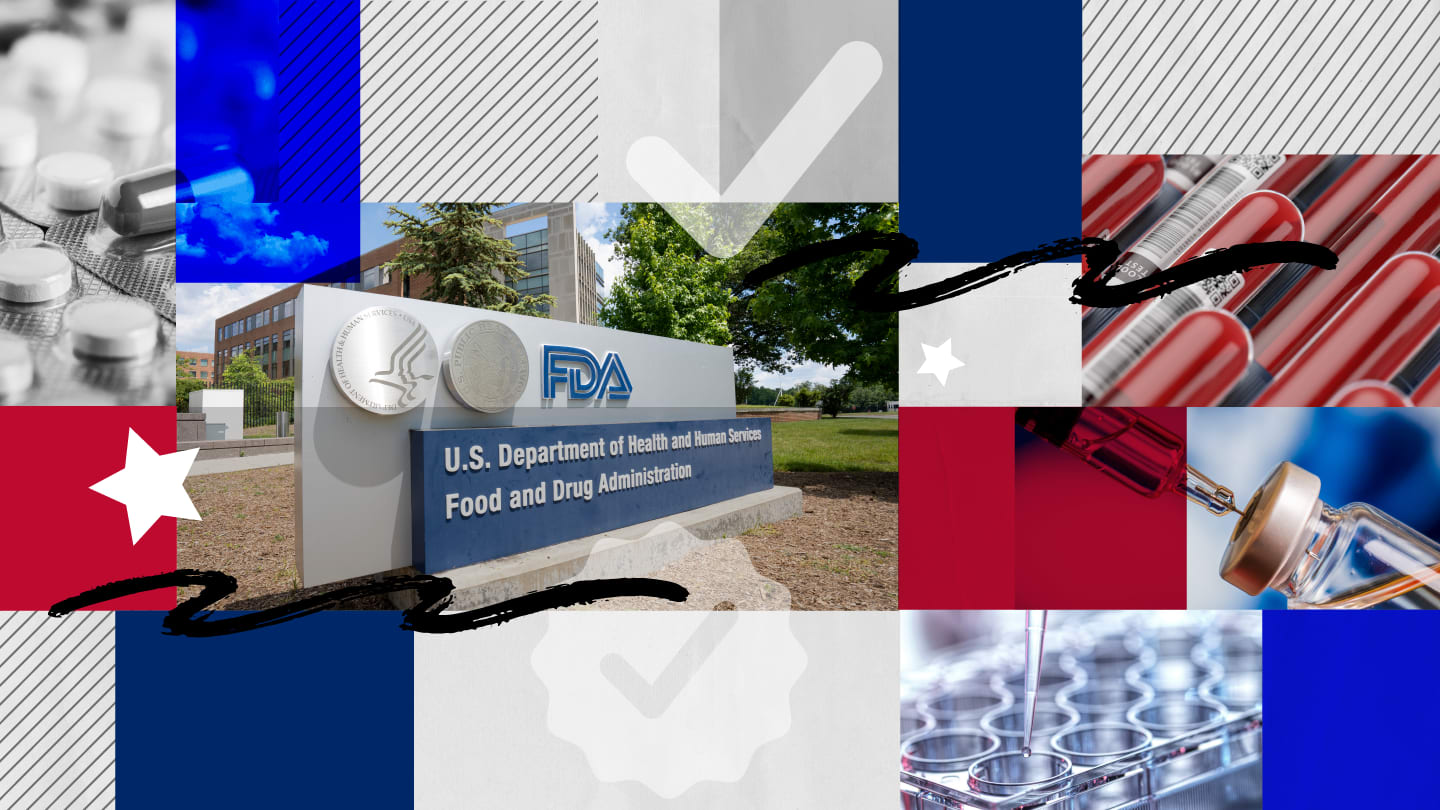
The HHS has launched a comprehensive initiative to enhance U.S. clinical research and expedite treatment development. The initiative, framed by the Operation TrialBlazer roadmap, addresses the competition from countries like China in clinical trial volume and efficiency.
Background
The U.S. has historically been a leader in clinical trials, but recent data indicates a shift in global dynamics, particularly with China's increasing share of Phase 1 trials. This initiative aims to streamline processes and reduce timelines for clinical trials.
Data Highlights
No numerical data provided in the source material.
Key Findings
The roadmap identifies that China surpassed the U.S. in Phase 1 trial volume for the first time in 2021.
China registered over 7,100 clinical trials by 2024, accounting for 39% of the global total.
The average time for U.S. IND submission is approximately 380 days, with additional delays from IRB approval.
The FDA is proposing a pilot program to shorten timelines for drug identification to Phase 1 trials by 6 to 12 months.
45% of protocol amendments in trials were found to be somewhat or completely avoidable, potentially reducing drug development costs by up to 22%.
Fewer than 5% of cancer patients participate in clinical trials, despite over 70% expressing willingness to do so.
Clinical Implications
The initiative may lead to changes in the clinical trial landscape, focusing on reducing time and costs associated with bringing new therapies to market.
Conclusion
The HHS initiative aims to improve the efficiency of clinical trials.
In a pooled analysis of more than 1.5 million patients, sugar-sweetened beverages were associated with higher risks of HCC and ICC, while artificially-sweetened beverages showed no independent association with hepatic cancer.