Association of Macrophage Accumulation and Polarization in Patients with Obesity and Diabetes with Diabetic Remission After Bariatric Surgery - Report - MDSpire
Advertisement
Association of Macrophage Accumulation and Polarization in Patients with Obesity and Diabetes with Diabetic Remission After Bariatric Surgery
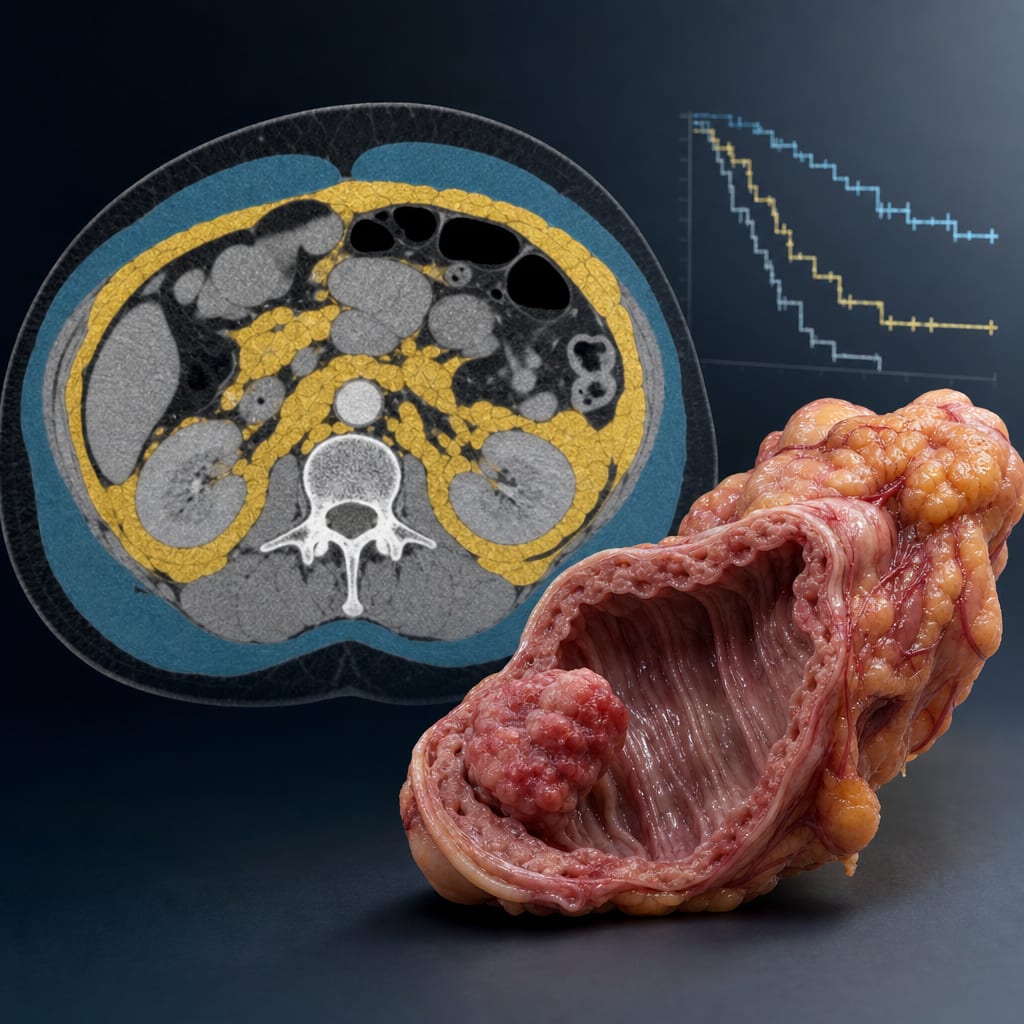
Macrophage Infiltration and Activation in Obesity, Diabetes, and Bariatric Surgery Outcomes
Overview
This study investigates the relationship between macrophage accumulation and polarization in visceral adipose tissue among obese and diabetic patients and their diabetic remission following bariatric surgery. It highlights the distinct macrophage profiles associated with obesity and diabetes and explores their potential as predictors for metabolic outcomes post-surgery.
Background
Type 2 Diabetes Mellitus (T2DM) is characterized by insulin resistance and impaired beta-cell function, often linked to obesity. Adipose tissue acts as an active endocrine organ secreting adipokines that regulate inflammation and insulin sensitivity. Macrophages in adipose tissue (ATMs) polarize into proinflammatory M1 or anti-inflammatory M2 phenotypes, influencing insulin resistance and T2DM development. Bariatric surgery is effective for diabetic remission, but predictors of surgical outcomes remain under debate.
Data Highlights
The study enrolled patients categorized into four groups based on obesity and diabetes status. Visceral adipose tissue samples were collected intraoperatively for macrophage analysis. Clinical parameters including BMI, diabetic duration, and medication use were recorded. The study excluded patients with confounding inflammatory conditions to ensure metabolic stability in controls.
Key Findings
Obese diabetic patients exhibit increased accumulation of proinflammatory M1 macrophages in visceral adipose tissue compared to non-obese or non-diabetic controls.
Macrophage polarization shifts toward a proinflammatory profile in obesity, contributing to chronic low-grade inflammation and insulin resistance.
Visceral fat macrophage profiles correlate with diabetic status and may influence metabolic outcomes after bariatric surgery.
Current clinical scoring systems for predicting diabetic remission post-bariatric surgery have limited predictive power, highlighting the need for novel biomarkers such as macrophage infiltration patterns.
Visceral adipose tissue macrophage analysis may serve as a preoperative predictor for diabetic remission following bariatric surgery.
Clinical Implications
Understanding macrophage polarization in visceral adipose tissue provides insight into the inflammatory mechanisms underlying obesity-related insulin resistance and diabetes. Assessing macrophage profiles preoperatively could improve prediction of diabetic remission after bariatric surgery, aiding personalized treatment planning. This approach may complement existing clinical scoring systems to optimize patient selection and outcomes.
Conclusion
Macrophage infiltration and activation in visceral adipose tissue are closely linked to obesity and diabetes status and hold promise as predictive markers for diabetic remission following bariatric surgery. Further research is warranted to validate their clinical utility in guiding surgical decision-making.
References
Various Authors/Multiple Sources/2019-2020 -- Relationship Between Macrophage Infiltration and Activation in Obese and Diabetic Patients and Their Diabetic Remission Following Bariatric Surgery
by Sa-Hong Kim, Ji-Soo Kim, Jaeun Yoo, Kyoungyun Jeong, Jeesun Kim, Yo-Seok Cho, Ji-Hyeon Park, Jaemoon Koh, Seong-Ho Kong, Do-Joong Park, Young-Min Cho, Doo Hyun Chung, Han-Kwang Yang, Hyuk-Joon Lee