Blood, Bats, and the Mythology of Vampires: Clinical and Cultural Insights
Overview
Vampire bats, known for their blood-feeding behavior, possess unique physiological adaptations that facilitate blood consumption and have inspired medical applications such as plasminogen activators. The cultural symbolism of blood extends into art and wine traditions, illustrating the deep connections between biology and human culture.
Background
The myth of vampires drinking human blood gained popularity with Bram Stoker's 'Dracula'. Vampire bats, native to Central and South America, feed on the blood of sleeping mammals using specialized thermoreceptors and saliva that promotes blood flow. Their biology has informed medical therapies involving plasminogen activators used in stroke and myocardial infarction treatment. Additionally, cultural artifacts like Renaissance paintings and the evolution of wine glasses reflect humanity's longstanding fascination with blood and its symbolism.
Data Highlights
Vampire bats use sensitive thermoreceptors to locate blood vessels and their saliva contains plasminogen activators causing local fibrinolysis, allowing them to lap blood rather than suck it. Recombinant tissue plasminogen activators (r-tPA) derived from this mechanism are clinically used in ischemic stroke and myocardial infarction management. Barn owls rely on the blood of their prey for moisture instead of drinking water. Wine glass designs have evolved from stemless to stemmed forms to optimize temperature and handling, with Venetian crystal developed in 1455 and modern manufacturers like Riedel producing specialized glasses.
Key Findings
- Vampire bats possess thermoreceptors and saliva that activate plasminogen, facilitating blood feeding through fibrinolysis.
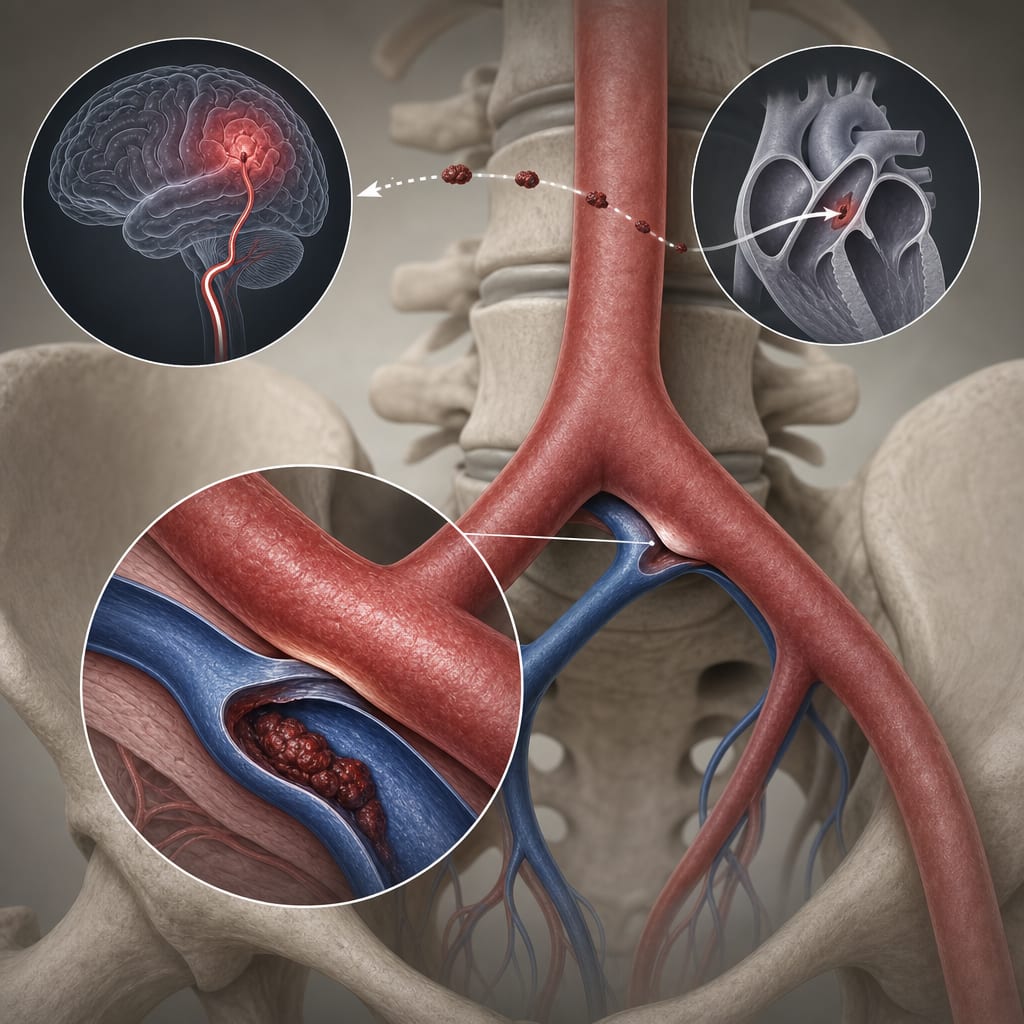
- Plasminogen activators inspired by vampire bat saliva are used medically to treat ischemic stroke and myocardial infarction.
- Human bites from vampire bats are rare but pose a rabies transmission risk.
- Barn owls obtain moisture exclusively from the blood of their prey, not drinking water.
- Historical and modern wine glass designs reflect functional and cultural preferences, with stemmed glasses preferred to maintain wine temperature and reduce contamination.
- The phrase 'letting wine breathe' is often misused; proper aeration requires decanting hours before consumption.
Clinical Implications
Understanding the biological mechanisms of vampire bats has directly contributed to the development of plasminogen activators used in critical care settings for thrombolysis. Clinicians should be aware of the risks associated with r-tPA use, including bleeding, and ensure administration in specialized centers. Additionally, awareness of zoonotic risks such as rabies from vampire bats, though rare, is important in endemic regions.
Conclusion
The intersection of vampire bat biology, medical innovation, and cultural symbolism of blood underscores the multifaceted impact of natural phenomena on human health and society. Continued appreciation of these connections enriches both clinical practice and cultural understanding.
References
- McSweeney E. -- Barn Owls and Blood Reliance
- Pliny the Elder -- Naturalis Historiae
- Stoker B. -- Dracula
This content is an AI-generated, fully rewritten summary based on a published scholarly article. It does not reproduce the original text and is not a substitute for the original publication. Readers are encouraged to consult the source for full context, data, and methodology.