Clinical Report: Orthopaedic Treatment Approaches for Osteopetrosis in Children
Overview
This literature review summarizes the challenges and treatment protocols for managing osteopetrosis in pediatric patients. It highlights the need for a multidisciplinary approach due to the complex nature of the disease and its impact on bone health.
Background
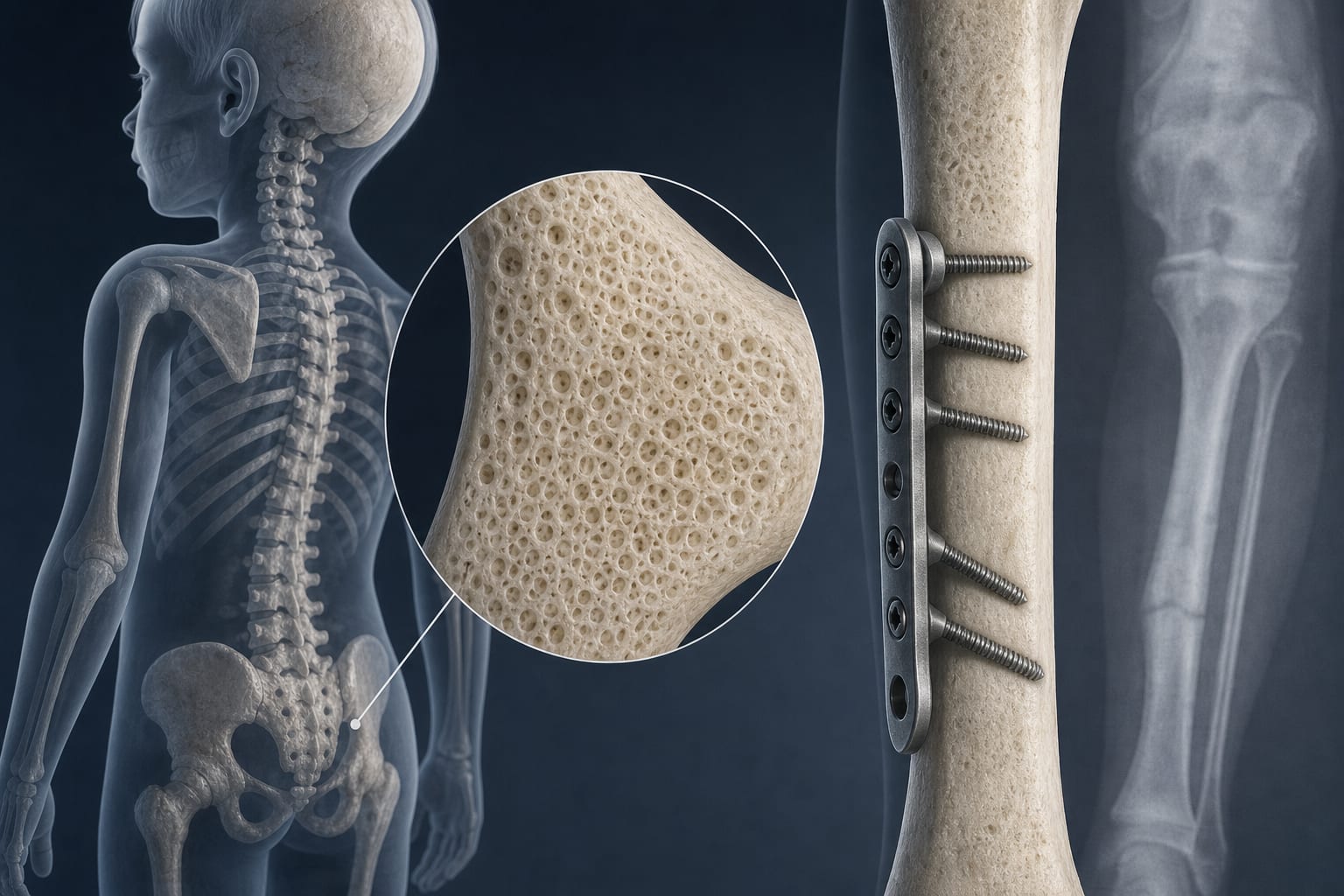
Osteopetrosis is a rare genetic disorder characterized by increased bone density and brittleness, leading to a higher risk of fractures and deformities. The condition's management is particularly challenging for orthopedic surgeons due to altered bone characteristics and the need for careful surgical intervention. Understanding the various types of osteopetrosis and their implications is crucial for effective treatment planning.
Data Highlights
No numerical data available in the source material.
Key Findings
Osteopetrosis is classified into three main types: malignant infantile autosomal recessive, intermediate autosomal, and benign adult autosomal.
Malignant infantile osteopetrosis has a prevalence of 1 in 250,000 children and can be fatal without treatment.
Orthopedic management requires a multidisciplinary approach due to the systemic effects of the disease.
Current literature emphasizes the importance of early orthopedic involvement for fractures and deformities.
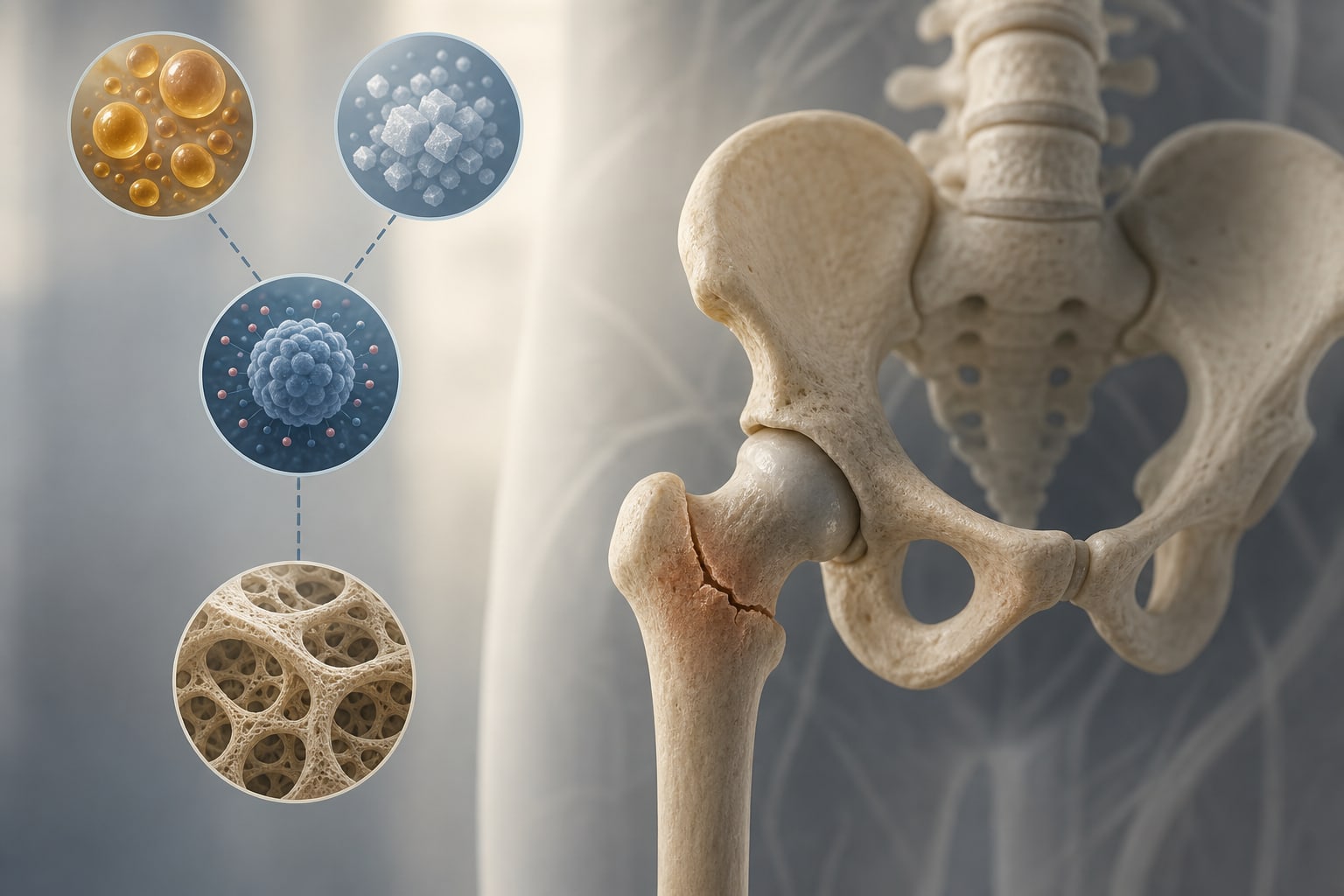
Hematopoietic stem cell transplantation is a disease-modifying option for severe cases, particularly in infants.
Clinical Implications
Orthopedic surgeons should be aware of the unique challenges posed by osteopetrosis when treating pediatric patients. A multidisciplinary approach is essential to address the various complications associated with the disease effectively.
Conclusion
The management of osteopetrosis in children requires careful consideration of the disease's complexities and a collaborative approach among healthcare providers.