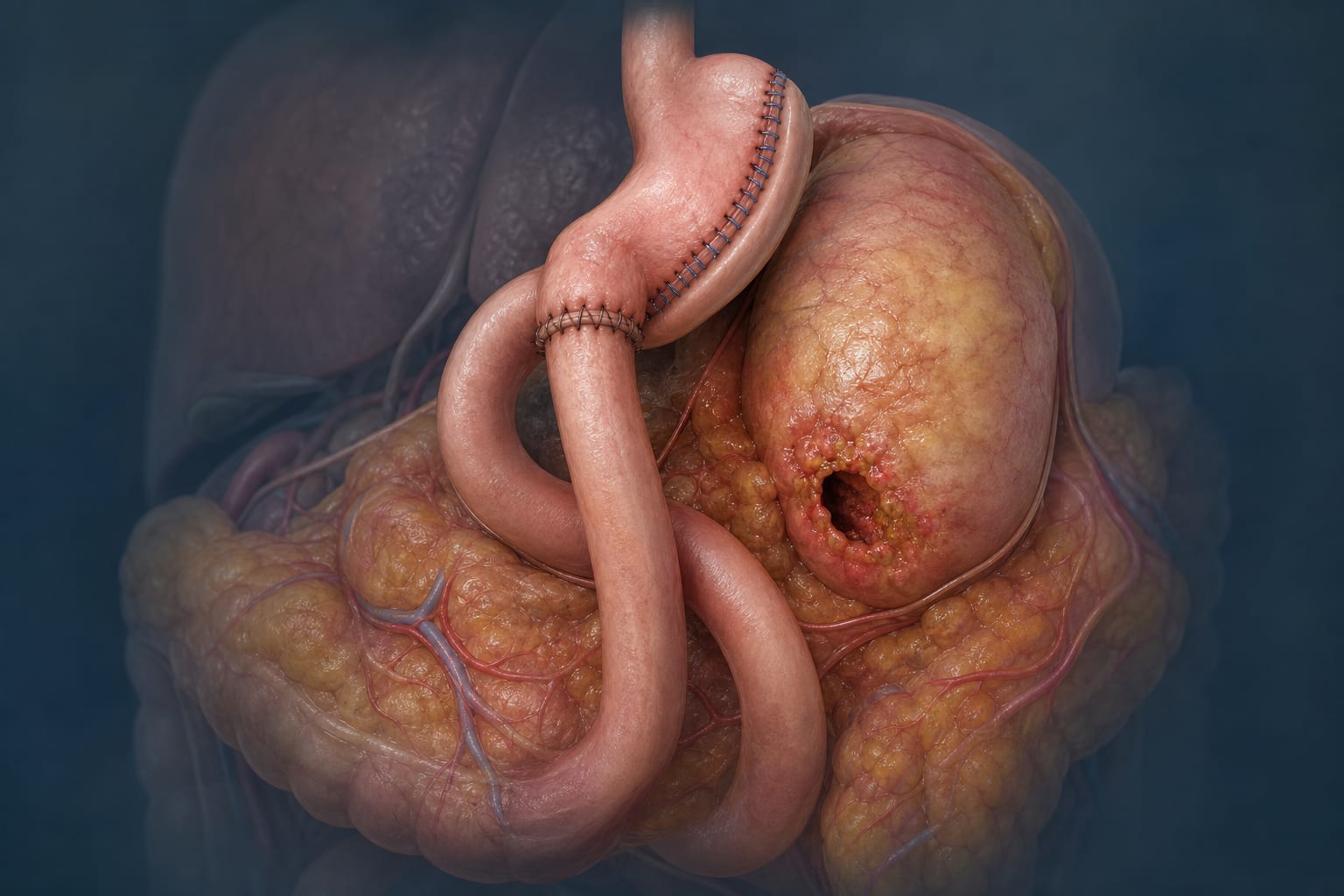
Impact of Maternal Nutritional Health on Pregnancy Outcomes Following Bariatric Surgery
Overview
Obesity prevalence, particularly among women in Saudi Arabia, has significantly increased, leading to complications such as PCOS, infertility, and adverse pregnancy outcomes. Bariatric surgery offers effective weight reduction and improves pregnancy outcomes but may pose risks related to maternal micronutrient deficiencies.
Background
Obesity is a global epidemic with a higher prevalence in women, especially in Saudi Arabia where female obesity rates reach 33.5%. Obesity in women of reproductive age is linked to complications including PCOS, infertility, and increased risk of pregnancy-associated hypertensive disorders and gestational diabetes. These complications contribute to adverse maternal and neonatal outcomes such as preterm labor and macrosomia. Bariatric surgery is an effective intervention for weight loss and reducing obesity-related pregnancy risks but requires careful management of maternal nutrition.
Higher in morbid obesity (61.3%) or underweight (49.2%) depending on study
Lower incidence
Key Findings
Obesity prevalence in Saudi females is 33.5%, higher than males at 24.1%, with projections rising to 78% by 2022.
Obesity in women of reproductive age is strongly associated with PCOS and infertility.
Pregnant women with obesity have increased risk of PAHD, GDM, cesarean delivery, preterm labor, and anemia.
Bariatric surgery effectively reduces obesity and related pregnancy complications but may cause micronutrient malabsorption affecting fetal development.
Weight retention after multiple pregnancies contributes to long-term obesity in women.
Clinical Implications
Clinicians should recognize the high prevalence of obesity among women of childbearing age and its impact on pregnancy outcomes. Bariatric surgery can be considered to improve maternal and neonatal health but requires monitoring and supplementation to prevent micronutrient deficiencies. Early intervention and education on weight management before and during pregnancy are essential to reduce obesity-related complications.
Conclusion
Obesity significantly impacts maternal and neonatal outcomes, with bariatric surgery offering benefits in reducing these risks. However, careful nutritional management is critical to optimize pregnancy outcomes following surgery.
References
World Health Organization 2016 -- Global Obesity Trends
Saudi Health Studies 2019 -- Obesity Prevalence in Saudi Arabia
Clinical Reviews 2020 -- Obesity, PCOS, and Infertility
Pregnancy Outcomes Research 2021 -- Obesity and Pregnancy Complications
Bariatric Surgery Reviews 2022 -- Impact on Maternal Nutrition and Pregnancy