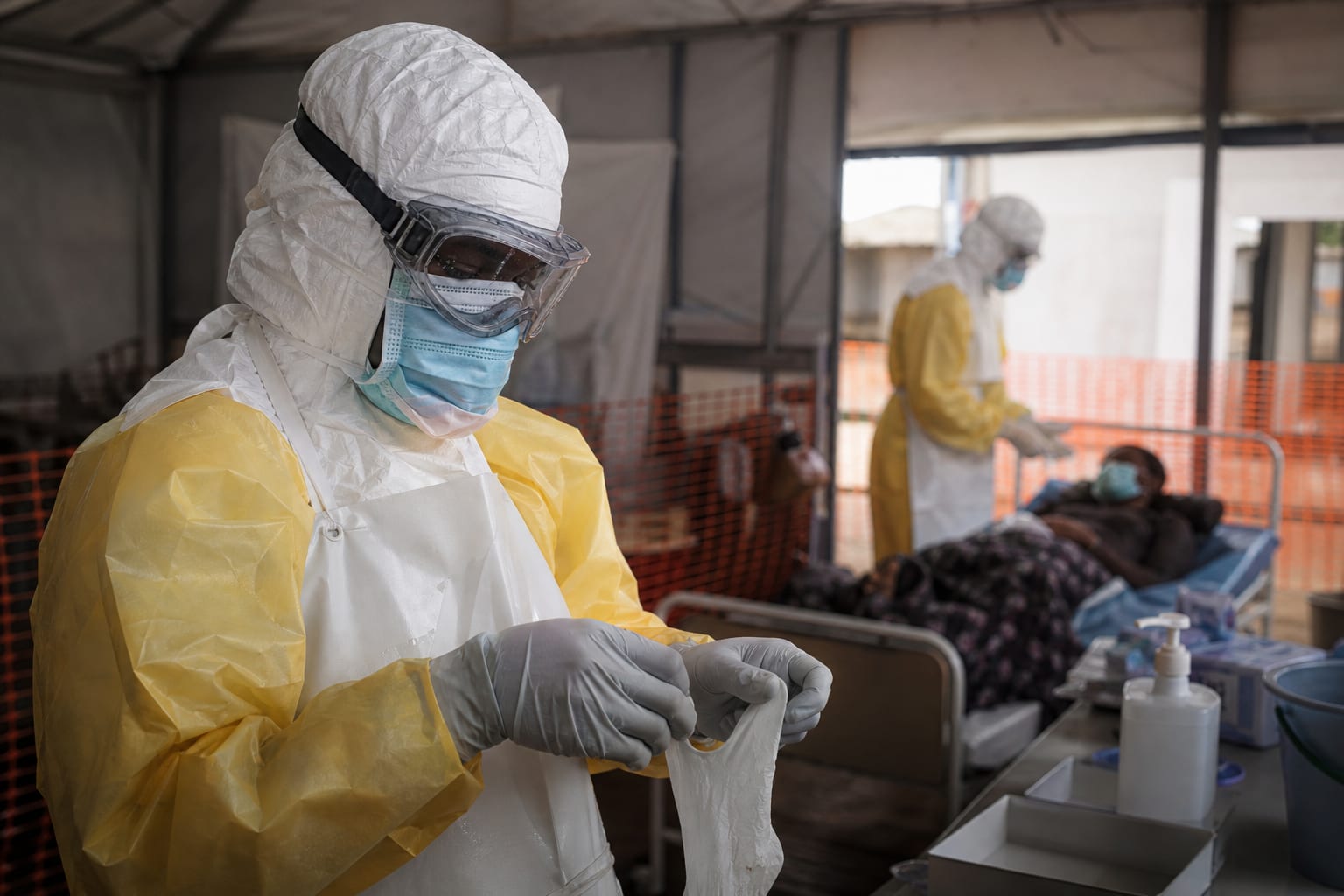
Clinical Report: Addressing Ebola Outbreaks with Faith Leaders
Overview
Engaging religious and traditional leaders is crucial in managing Ebola outbreaks, as they are trusted figures in their communities. Effective responses must incorporate local burial practices to prevent further infections during funerals.
Background
Ebola transmission is closely linked to cultural practices, particularly during burial rites, where contact with bodily fluids can lead to new infections. Previous outbreaks have shown that neglecting these cultural aspects can exacerbate the crisis, leading to mistrust and violence against healthcare facilities. Understanding and integrating local beliefs is essential for effective public health responses.
Data Highlights
No numerical data provided in the source material.
Key Findings
Burial practices significantly contribute to the spread of Ebola, with an estimated 2.58 further infections per unsafe burial.
Engagement of religious leaders in Ebola response has been shown to increase community acceptance of safe burial practices.
In 2014, neglecting religious practices during the West African Ebola outbreak had severe consequences, leading to increased transmission.
WHO revised its guidance to include religious representatives in burial teams, which improved community trust and compliance.
Partnerships with faith-based organizations should be established prior to outbreaks to enhance response effectiveness.
Clinical Implications
Healthcare authorities should prioritize collaboration with local religious leaders to ensure culturally sensitive responses to Ebola outbreaks. Engaging these leaders early can help mitigate the spread of the virus during critical moments such as funerals.
Conclusion
Incorporating local cultural practices and engaging trusted community leaders are vital strategies for controlling Ebola outbreaks and preventing further transmission.