Based on Propensity Matching Scores: Comparison of the Mid-term Outcomes of Two Bariatric Surgeries for the Treatment of Obesity and its Complications - Report - MDSpire
Advertisement
Based on Propensity Matching Scores: Comparison of the Mid-term Outcomes of Two Bariatric Surgeries for the Treatment of Obesity and its Complications
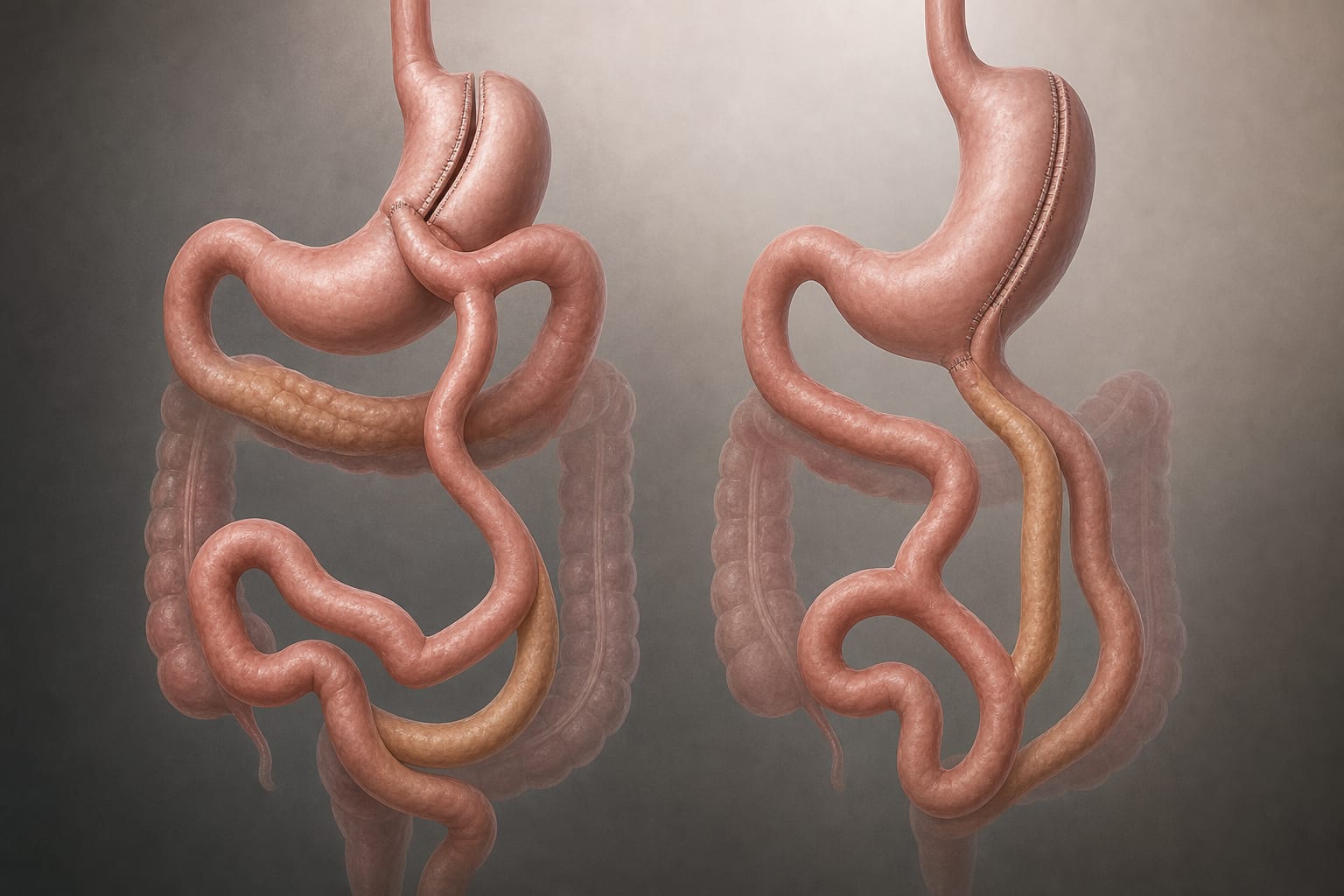
Mid-term Outcomes of SADI-S Versus Sleeve Gastrectomy in Obesity Management
Overview
This retrospective study compared mid-term outcomes of single anastomotic duodeno-ileal bypass with sleeve gastrectomy (SADI-S) and sleeve gastrectomy (SG) in obese patients using propensity score matching. Results demonstrated that SADI-S achieved superior weight loss and metabolic disease remission but carried higher risks of postoperative malnutrition compared to SG.
Background
Obesity prevalence in China exceeds 50% among adults, contributing to increased rates of diabetes, cardiovascular disease, and nonalcoholic fatty liver disease. Metabolic surgery, particularly sleeve gastrectomy (SG), is widely used due to its safety and efficacy. Single anastomotic duodeno-ileal bypass with sleeve gastrectomy (SADI-S) offers enhanced metabolic benefits but is less commonly performed due to technical complexity and nutritional concerns. Comparative medium-term data between these procedures remain limited, especially in Asian populations.
Data Highlights
Parameter
SG Group (n=134)
SADI-S Group (n=52)
Number of Procedures (2023, China)
30,352 (81.5%)
99 (0.3%)
Follow-up Duration
Up to 3 years
Up to 3 years
Propensity Score Matching
1:1 nearest neighbor matching with caliper 0.2
Key Findings
SADI-S patients had higher baseline BMI and more severe metabolic comorbidities prior to matching.
After propensity score matching, SADI-S resulted in significantly greater percent excess weight loss (%EWL) and total weight loss (%TWL) compared to SG.
SADI-S showed superior remission rates of type 2 diabetes, hypertension, hyperuricemia, dyslipidemia, and nonalcoholic fatty liver disease relative to SG.
Postoperative complications related to malnutrition were more frequent in the SADI-S group, necessitating careful nutritional monitoring.
SG remains the predominant procedure in China due to its technical simplicity and lower complication rates.
Clinical Implications
Clinicians should consider SADI-S for patients with higher BMI and severe metabolic syndrome due to its enhanced efficacy in weight loss and metabolic remission. However, the increased risk of postoperative malnutrition requires rigorous nutritional follow-up and patient adherence to dietary recommendations. SG remains a safe and effective option for a broader patient population with fewer nutritional concerns.
Conclusion
SADI-S offers superior mid-term metabolic and weight loss outcomes compared to SG but at the cost of increased nutritional risks. Personalized surgical selection and comprehensive postoperative care are essential to optimize patient outcomes in obesity management.