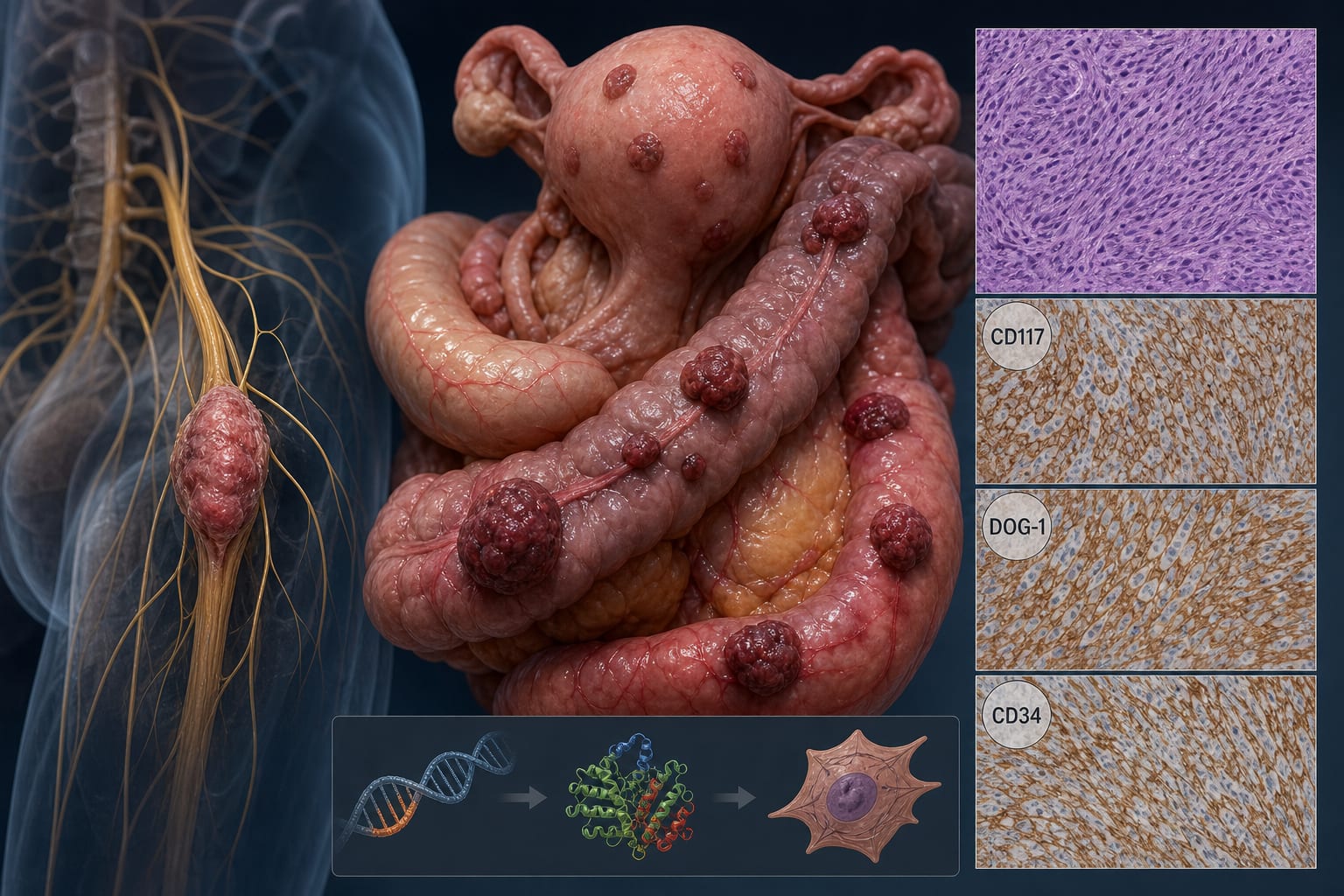
Pathology is undergoing a significant transformation driven by advances in tumor biology, molecular genetics, and digital technologies. Subspecialization is becoming essential to manage the increasing diagnostic complexity, with digital pathology and AI enhancing expertise, efficiency, and collaboration.
Background
Historically, generalist pathologists provided comprehensive diagnostic services across multiple organ systems. However, the rapid expansion of knowledge in cancer biology and molecular diagnostics has challenged this model. Modern pathology requires integrating morphology, immunohistochemistry, genomic data, and complex biomarker profiles. Subspecialization allows pathologists to develop deeper expertise and maintain accuracy in increasingly complex diagnostic environments.
Data Highlights
Examples include the interpretation of prostate biopsies where subspecialists demonstrate greater consistency in Gleason grading, directly impacting treatment decisions. Molecular diagnostics for rare tumors like sarcomas require advanced platforms sustainable primarily in high-volume subspecialty centers. AI-assisted quantitative pathology improves reproducibility in biomarker assessments such as ER, PR, and HER2/neu, especially in high-volume settings.
Key Findings
Subspecialization enhances diagnostic accuracy by enabling pathologists to develop nuanced pattern-recognition skills in specific organ systems.
Complex molecular testing for rare tumors is more feasible in high-volume subspecialty centers due to economic and technical demands.
Digital pathology and AI tools improve efficiency, reduce cognitive overload, and standardize workflows without replacing pathologists.
AI-driven quantitative pathology reduces interobserver variability in biomarker evaluation, improving consistency across institutions.
Digital platforms facilitate rapid sharing of pathology images, enabling timely second opinions and multidisciplinary collaboration.
The evolving model fosters a collaborative relationship between generalists and subspecialists supported by digital connectivity.
Clinical Implications
Clinicians should recognize the growing importance of subspecialized pathology expertise in guiding accurate diagnoses and treatment decisions, particularly for complex or rare cases. Integration of digital pathology and AI can enhance diagnostic precision and workflow efficiency, especially in high-volume centers. Community practices can leverage digital platforms to access subspecialty consultations, improving patient care without diminishing the role of general pathologists.
Conclusion
The future of pathology lies in subspecialization supported by digital and AI technologies, which together elevate diagnostic accuracy and collaboration. This evolution enhances the role of pathologists by focusing expertise where it is most needed while maintaining essential connections with generalist practices.