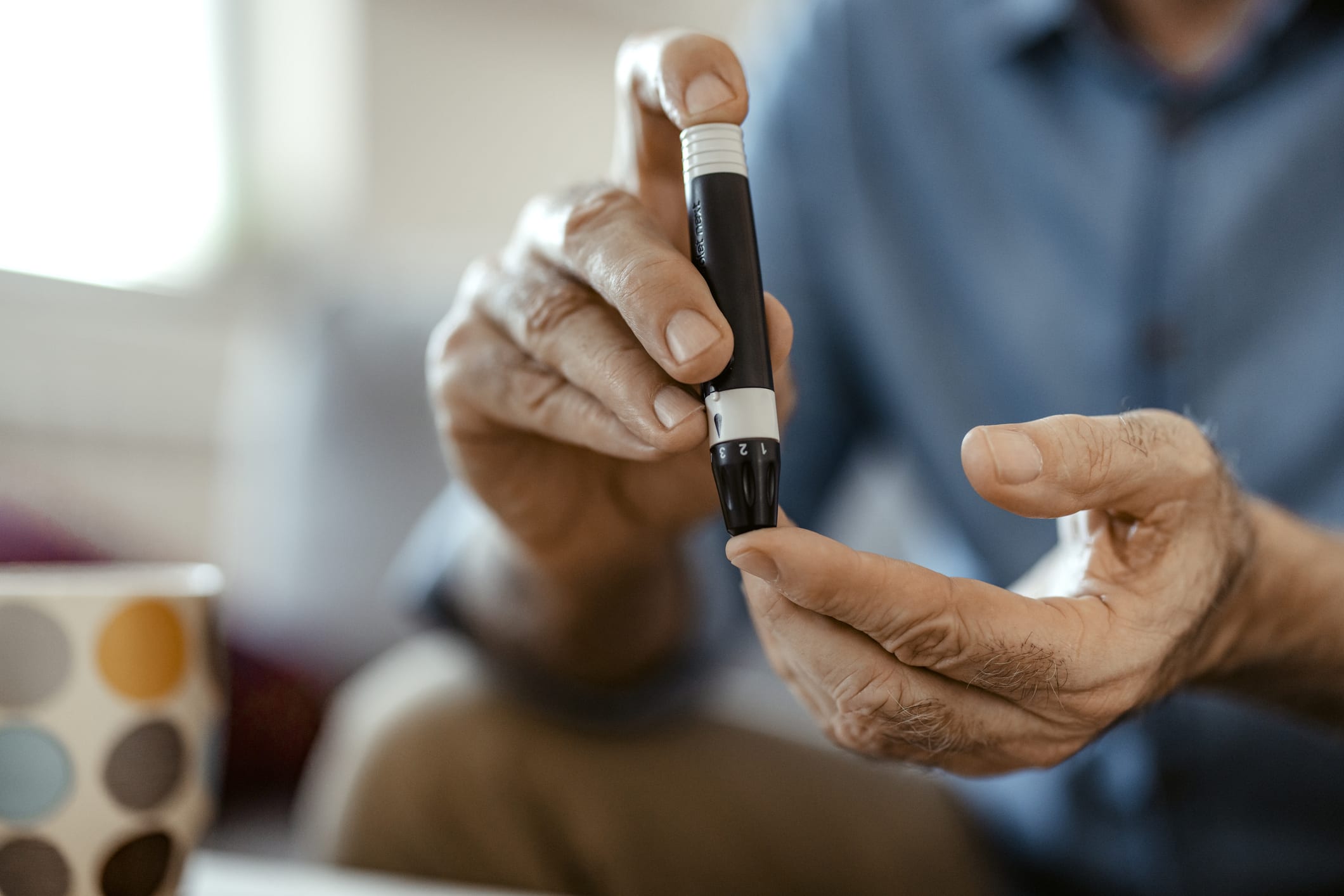
Clinical Report: Creation and assessment of a pre-screening tool for DFUs
Overview
This study developed a simplified pre-screening tool for diabetic foot ulcers (DFUs) using clinical indicators, focusing on the albumin-to-glycated hemoglobin ratio. The model demonstrated high negative predictive value.
Background
Diabetic foot ulcers are a severe complication of type 2 diabetes, with significant prevalence and high rates of recurrence. Early identification of at-risk patients is important to prevent complications and improve quality of life. Current models often overlook nutritional status, which is vital for effective risk assessment.
Data Highlights
Parameter
Training Set
Validation Set
DFU Prevalence
20.9%
15.8%
AUC
0.807
0.817
Brier Score
0.127
0.118
Key Findings
DFU prevalence was 20.9% in the training set and 15.8% in the validation set.
Four independent predictors identified: age, history of injury, alcohol consumption, and Alb/HbA1c ratio.
The model showed good discrimination with AUC values of 0.807 and 0.817 for training and validation sets, respectively.
Internal validation confirmed model stability with an optimism-corrected AUC of 0.803.
Risk heatmaps indicated interactions between age and Alb/HbA1c.
Clinical Implications
The pre-screening tool can effectively rule out DFUs in low-probability patients, potentially reducing unnecessary medical consultations. Its use of easily obtainable clinical indicators makes it suitable for resource-limited settings.
Conclusion
The developed pre-screening model demonstrates a high negative predictive value for ruling out DFUs.