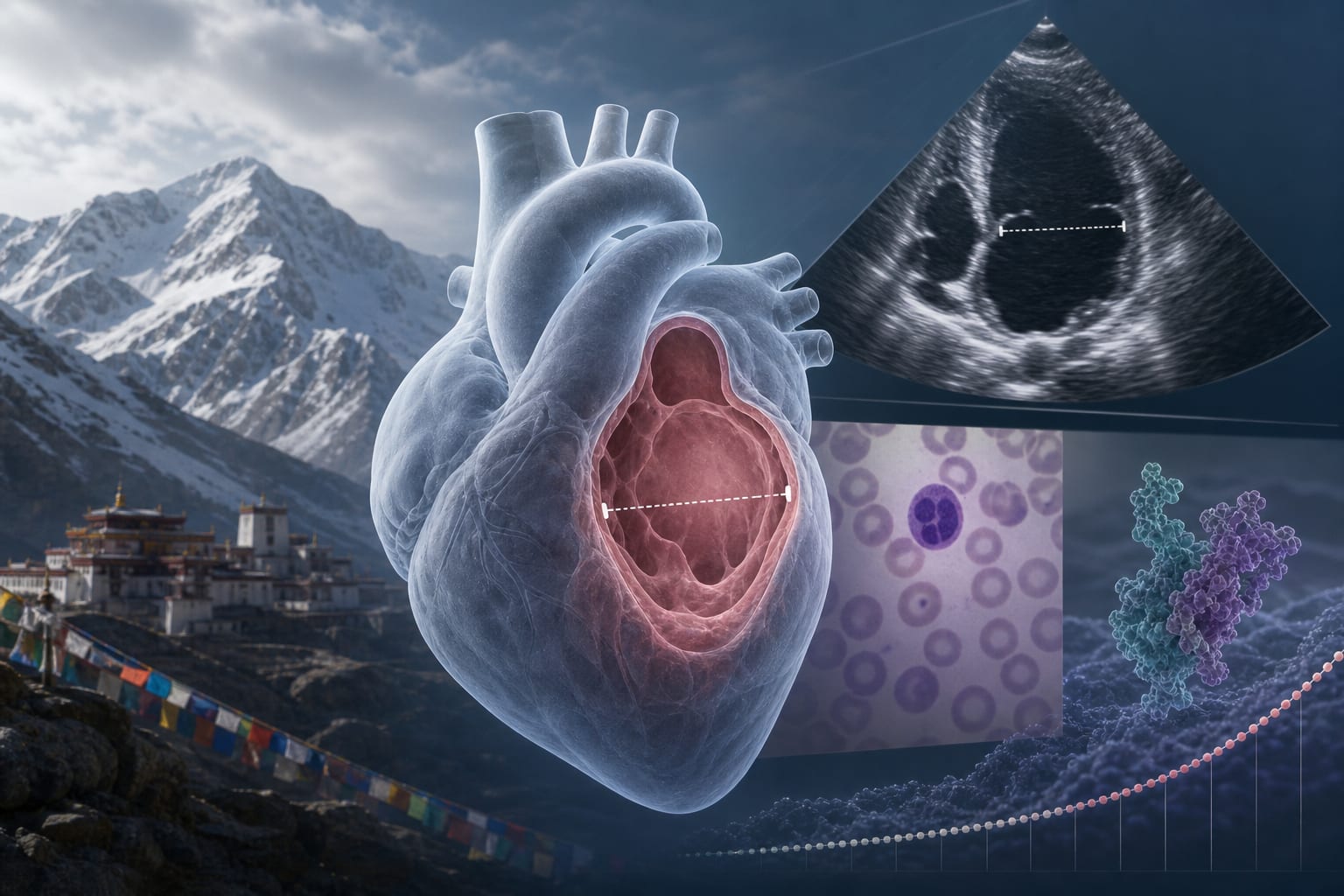
Clinical Report: Neutrophil Cell Death Mechanisms in Myocardial Infarction
Background
Acute myocardial infarction triggers a robust immune response, with neutrophils being the first responders to the damaged heart tissue. Understanding the dynamics of neutrophil cell death is essential, as it can determine the balance between tissue repair and further injury. The specific pathways of neutrophil death, including NETosis and apoptosis, have distinct implications for post-MI recovery.
Data Highlights
No numerical data or trial data presented in the source material.
Key Findings
Neutrophils can undergo different cell death pathways: NETosis, apoptosis, and autophagy, each influencing myocardial recovery differently.
NETosis can exacerbate myocardial injury by promoting inflammation and clotting during the early phase of MI.
Timely apoptosis of neutrophils is associated with effective tissue repair through the process of efferocytosis.
Autophagy may regulate the choice between NETosis and apoptosis, impacting recovery outcomes.
Platelets can influence neutrophil death pathways, potentially worsening ischemic injury by promoting NETosis.
Broad immune suppression strategies may inadvertently disrupt beneficial neutrophil apoptosis and efferocytosis.
Clinical Implications
Clinicians should be aware of the dual roles of neutrophils in myocardial infarction, as their death pathways can either aid in healing or contribute to further damage. Targeting specific pathways, such as inhibiting pathological NETosis while promoting apoptosis, may enhance recovery strategies.
Conclusion
The balance between neutrophil cell death mechanisms is crucial in determining the outcome of myocardial infarction. Future therapies should focus on selectively modulating these pathways to improve heart recovery.