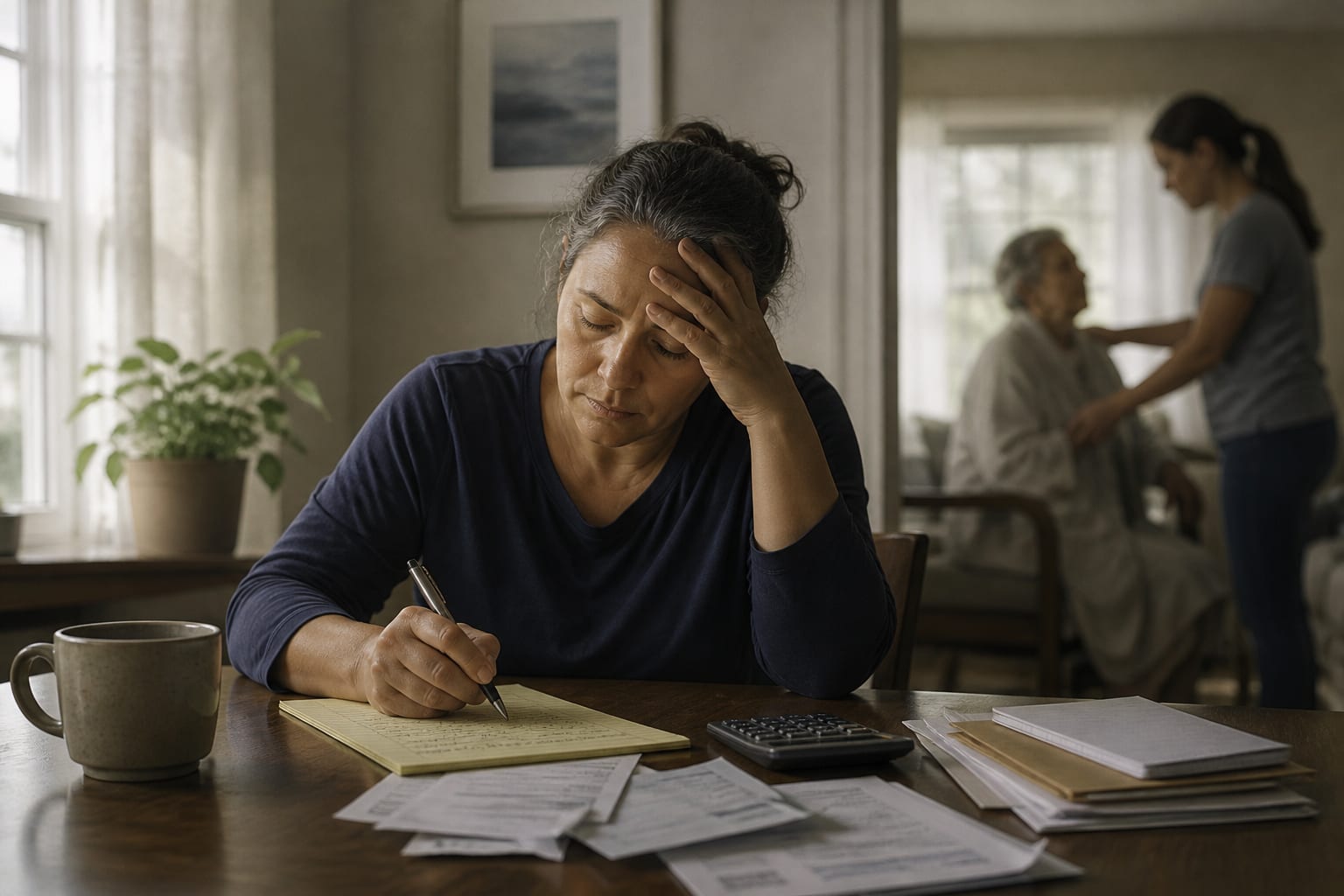
Nearly 3 in 10 U.S. Adults Provided Unpaid Care in the Past Year, With Higher Rates Among Women and Adults Ages 50–64
-
By
-
kffrainl
-
November 19, 2026
Clinical Report: Unpaid Caregiving Among U.S. Adults
Overview
In a KFF survey, 29% of U.S. adults reported providing unpaid care to a friend or family member in the prior 12 months. Caregiving was more common among women and adults aged 50 or older, and many caregivers reported stress, health effects, or financial strain, with higher reported burdens among those providing more than 15 hours of care weekly.
Background
Unpaid caregivers assist people who need help because of aging, disability, or chronic health conditions. The related literature describes family members and friends as a substantial source of care in the United States, with estimates of 53 million adults providing unpaid care to an adult or child with special needs in 2020. Caregiving tasks reported in the KFF survey ranged from household activities to medical-care coordination and physical assistance. The survey also examined caregivers’ reported effects on health and finances.
Data Highlights
Measure | Finding |
|---|---|
Adults providing unpaid care in the past 12 months | 29% |
Median caregiving time | 5 hours per week |
Caregivers providing no more than 4 hours weekly | 45% of caregivers; 13% of all adults |
Caregivers providing more than 15 hours weekly | 23% of caregivers; 7% of all adults |
Caregivers who are women | 57% |
Caregivers aged 50 or older | 53% |
Caregivers reporting stress or worry | 66% overall; 81% among those providing more than 15 hours weekly |
Caregivers reporting worse mental health | 35% overall; 51% among those providing more than 15 hours weekly |
Caregivers reporting worse physical health | 29% overall; 47% among those providing more than 15 hours weekly |
Caregivers reporting financial strain | 25% overall; 41% among those providing more than 15 hours weekly |
Most commonly reported task | Housekeeping, grocery shopping, or meal preparation: 70% |
Survey sample and field dates | 25,873 U.S. adults; May 4–26, 2026 |
Key Findings
Overall, 29% of adults reported unpaid caregiving in the previous 12 months; caregivers provided a median of five hours of care weekly.
Women accounted for 57% of caregivers, and 53% of caregivers were aged 50 or older, compared with 44% of adults who did not provide unpaid care.
Two-thirds of caregivers reported stress or worry related to caregiving; 35% reported worse mental health, 29% worse physical health, and 25% financial strain, including job loss or reduced work hours.
Among caregivers providing more than 15 hours weekly, 81% reported stress or worry, 51% worse mental health, 47% worse physical health, and 41% financial strain; the source reports these proportions were substantially higher than among caregivers providing fewer hours.
Housekeeping, grocery shopping, or meal preparation was reported by 70% of caregivers; 51% helped manage medical care, 37% managed finances, 30% made medical-care decisions, and 26% provided physical care such as bathing or dressing assistance.
The related AARP report cited in the source estimates that 53 million U.S. adults provided unpaid care to an adult or child with special needs in 2020.
Clinical Implications
The survey documents reported health and financial effects among unpaid caregivers, particularly those providing more than 15 hours of care weekly. The 2026 AHA/ASA stroke rehabilitation guideline, as described in the supplied context, recommends involving caregivers in education and training using teach-back; the supplied NCCN palliative-care context describes caregiver support and education as part of patient-, family-, and caregiver-centered care.
Conclusion
The KFF survey found that unpaid caregiving was reported by nearly three in ten U.S. adults and commonly involved household, medical, and physical-care tasks. Reported stress, health effects, and financial strain were more frequent among caregivers providing longer weekly hours.
Related Resources & Content
AARP, 2020 — Caregiving in the United States 2020
American Heart Association/American Stroke Association, 2026 — Guideline for Adult Stroke Rehabilitation and Recovery
National Comprehensive Cancer Network, 2025 — NCCN Guidelines Version 1.2025: Palliative Care
Journal of Medical Internet Research — Trends in Digital Health Engagement Among Family Caregivers in the United States: An Analysis of Health Information National Trends Survey Data from 2019 to 2022
JAMA Network Open — Friend Caregivers Among Older Adults
JAMA Network Open — Development and Validation of a Family Caregiver Constraint Index
ASCO Publications — Population-Based Profile of Mental Health and Support Service Need Among Family Caregivers of Adults With Cancer
Alzheimer's Association 2026 Alzheimer's Disease Facts and Figures
The Power of Caregivers for a Healthy America
2026 Guideline for Adult Stroke Rehabilitation and Recovery
NCCN Guidelines Version 1.2025
The Power of Caregivers for a Healthy America
2026 Guideline for Adult Stroke Rehabilitation and Recovery: A Guideline From the American Heart Association and American Stroke Association.
NCCN Guidelines Version 1.2025
Calendar Year (CY) 2025 Medicare Physician Fee Schedule Final Rule | CMS
GUIDE (Guiding an Improved Dementia Experience) Model | CMS
Final Recommendation Statement: Intimate Partner Violence and Caregiver Abuse of Older or Vulnerable Adults: Screening | United States Preventive Services Taskforce
Effects of digital psychological interventions for family caregivers of people with dementia: a systematic review and meta-analysis - PubMed
Efficacy of Nonpharmacological Interventions for Caregiver Burden and Positive Aspects of Caregiving Among Informal Caregivers of People With Dementia: A Systematic Review and Network Meta-Analysis.
Effects of peer support interventions for family caregivers of persons with dementia: A systematic review and meta-analysis
Effectiveness of interventions for caregiver burden and quality of life of informal caregivers of stroke survivors: a systematic review and meta-analysis - PMC
AHA/ASA (Stroke) Adult Stroke Rehabilitation and Recovery Guideline Summary - Guideline Central
Based on findings from:
About 3 in 10 Adults Have Provided Unpaid Care to a Friend or Family Member in the Past Year, Including Higher Shares of Women and People Ages 50 to 64
kffrainl. Kaiser Family Foundation, 2026.
https://www.kff.org/public-opinion/about-3-in-10-adults-have-provided-unpaid-care-to-a-friend-or-family-member-in-the-past-year-including-higher-shares-of-women-and-people-ages-50-to-64/
This content is an AI-generated, fully rewritten summary based on a published scholarly article. It does not reproduce the original text and is not a substitute for the original publication. Readers are encouraged to consult the source for full context, data, and methodology.