Real-world patterns of inflammatory bowel disease treatment across adult and pediatric populations: a nationwide cohort study in South Korea - Report - MDSpire
Advertisement
Real-world patterns of inflammatory bowel disease treatment across adult and pediatric populations: a nationwide cohort study in South Korea
Clinical Report: Treatment Trends for Inflammatory Bowel Disease in South Korea
Overview
This study analyzes treatment patterns for inflammatory bowel disease (IBD) among adults and children in South Korea, revealing significant differences in disease onset and treatment initiation.
Background
Inflammatory bowel disease (IBD) is a chronic condition that can lead to severe complications and significant healthcare burdens. The rising prevalence of IBD, particularly among younger populations, necessitates a thorough understanding of treatment patterns.
Data Highlights
Group
CD Patients (%)
Median Time to Advanced Treatment Initiation (months)
Pediatrics
71.6
4.2
Adults
24.8
9.6
Key Findings
Pediatric patients represent a higher proportion of Crohn's disease cases (71.6%) compared to adults (24.8%).
Patients with pediatric-onset IBD show a significant burden of comorbidities, with 41.7% in UC and 46.4% in CD having ≥2 comorbidities.
The median time to advanced treatment initiation is shorter in pediatric patients compared to adults (4.2 months vs. 9.6 months for CD).
Cumulative persistence at 12 months for advanced agents in adults ranges from 76.9% to 88.5%.
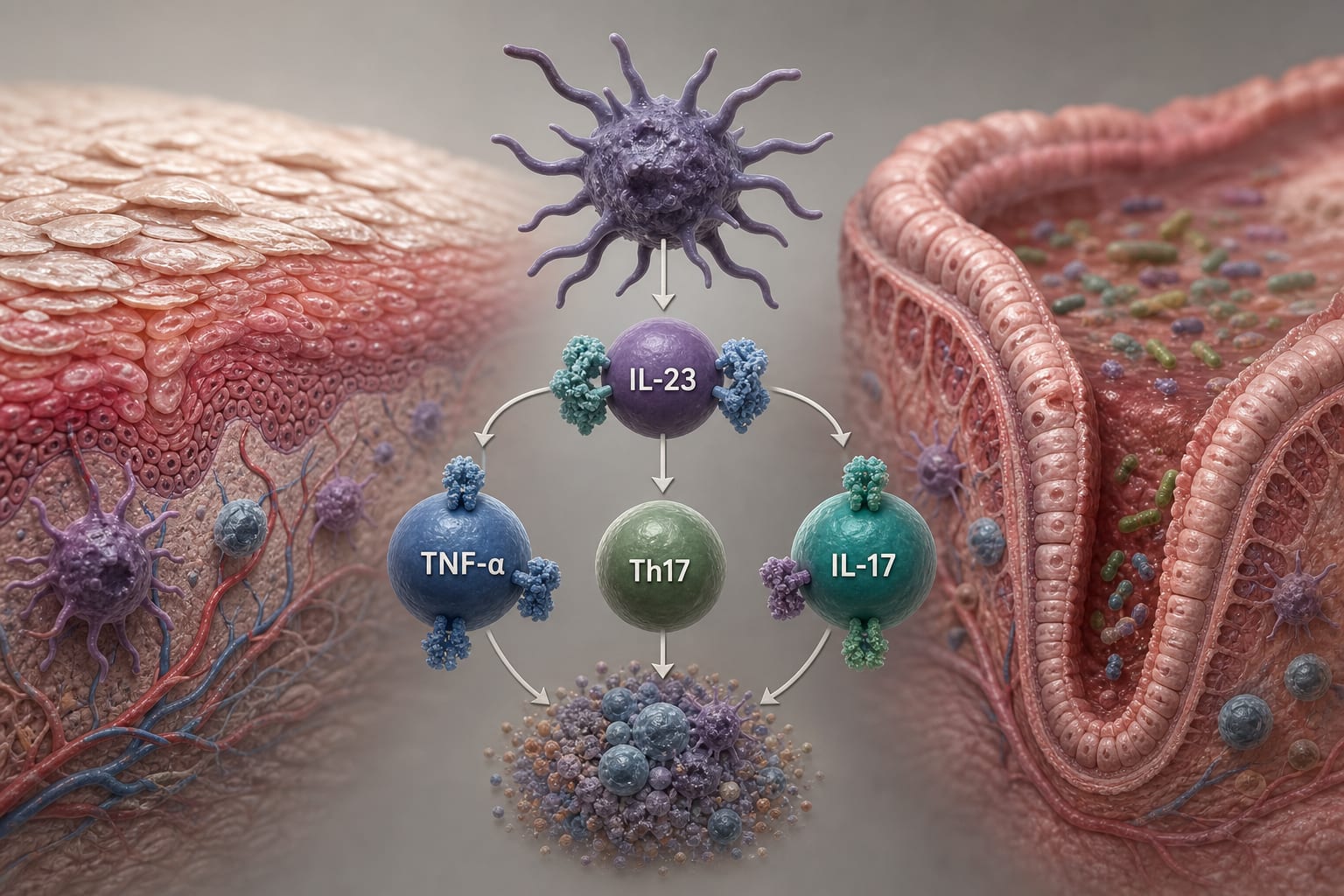
Only TNF-alpha inhibitors are currently approved for pediatric use.
Clinical Implications
Understanding the differences in treatment patterns between pediatric and adult IBD patients can inform tailored management strategies. The findings suggest a need for expanded therapeutic options for pediatric patients to improve treatment outcomes.
Conclusion
This nationwide evaluation highlights the importance of considering age and disease subtype in IBD treatment strategies. The study's findings may contribute to future discussions on optimizing care for both pediatric and adult patients.