Combining pulsed radiofrequency and low-temperature plasma ablation for refractory cervicogenic angina after percutaneous coronary intervention: a case report - Report - MDSpire

Combining pulsed radiofrequency and low-temperature plasma ablation for refractory cervicogenic angina after percutaneous coronary intervention: a case report

  • By

  • Xianting Cheng

  • Yifan Wang

  • Shaofan Yang

  • Juan Liu

  • Baishan Wu

  • July 16, 2026

Share

Clinical Report: Utilizing Pulsed Radiofrequency and Low-Temperature Plasma Ablation

Overview

This case study presents a 61-year-old male with cervicogenic angina who experienced a visual analog scale score improvement from 7 to 0 at the 3-month follow-up after ultrasound-guided pulsed radiofrequency and low-temperature plasma ablation.

Background

Cervicogenic angina is a non-cardiac chest pain syndrome that often mimics true cardiac angina, leading to frequent misdiagnosis. Patients typically experience recurrent chest pain, which can significantly impair quality of life. Accurate diagnosis and effective treatment are crucial.

Data Highlights

ParameterPreoperative3-Month Follow-Up
Visual Analog Scale Score70

Key Findings

  • The patient was diagnosed with cervicogenic angina after ruling out cardiac causes.
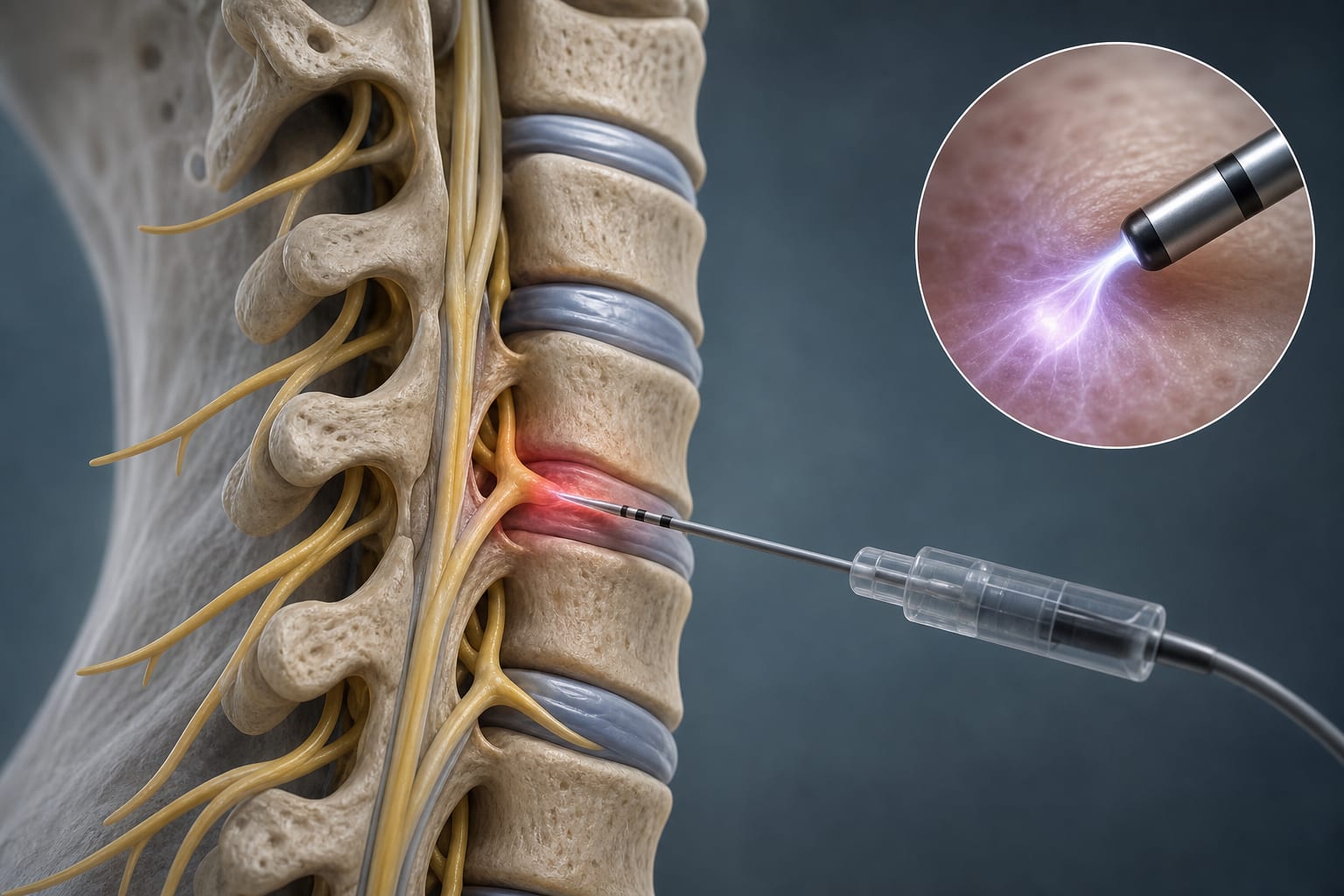
  • Ultrasound-guided pulsed radiofrequency and low-temperature plasma ablation were performed on cervical nerve roots and facet joints.
  • Significant improvement in neck-shoulder pain and precordial discomfort was observed.
  • Precordial pain, chest tightness, and dyspnea resolved completely without recurrence.
  • Sleep quality improved significantly post-treatment.

Clinical Implications

This case highlights the diagnosis of cervicogenic angina in patients with recurrent chest pain after cardiac evaluation.

Conclusion

The treatment of cervicogenic angina in this case emphasizes the importance of accurate diagnosis and minimally invasive interventions.

Related Resources & Content

  1. 2025 ACC/AHA/ACEP/NAEMSP/SCAI Guideline for the Management of Patients With Acute Coronary Syndromes - Professional Heart Daily | American Heart Association
  2. Ultrasound-guided high-voltage pulsed radiofrequency versus standard-voltage pulsed radiofrequency in refractory chronic cervical radicular pain randomized clinical trial
  3. Clinical Research in Cardiology — Increase in Sinus Rate Following Cryoballoon Pulmonary Vein Isolation in Individuals with Paroxysmal Atrial Fibrillation
  4. Frontiers in Cardiovascular Medicine — Cardiac autonomic ganglion ablation for refractory coronary artery spasm after PCI: a case report
  5. Clinical Research in Cardiology — Catheter Ablation of Persistent Ventricular Tachycardia from the Anterolateral Papillary Muscle Using Ablation Index Guidance
  6. Clinical Research in Cardiology — Evaluation of Arctic Front Advance Pro versus POLARx Cryoballoons in Atrial Fibrillation Ablation: An Intraprocedural Examination
  7. 2025 ACC/AHA/ACEP/NAEMSP/SCAI Guideline for the Management of Patients With Acute Coronary Syndromes - Professional Heart Daily | American Heart Association
  8. Ultrasound-guided high-voltage pulsed radiofrequency versus standard-voltage pulsed radiofrequency in refractory chronic cervical radicular pain randomized clinical trial

Original Source(s)

Related Content