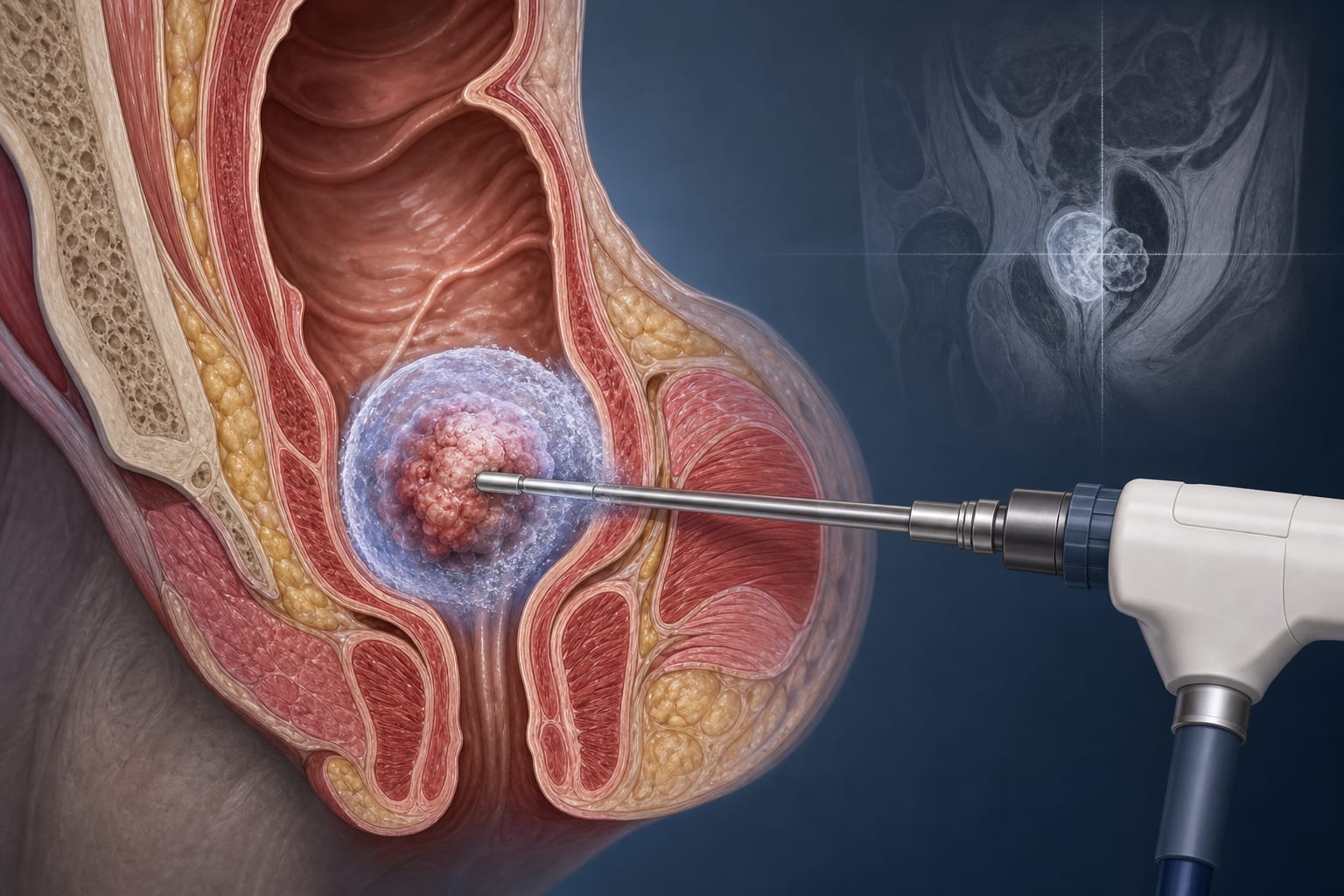
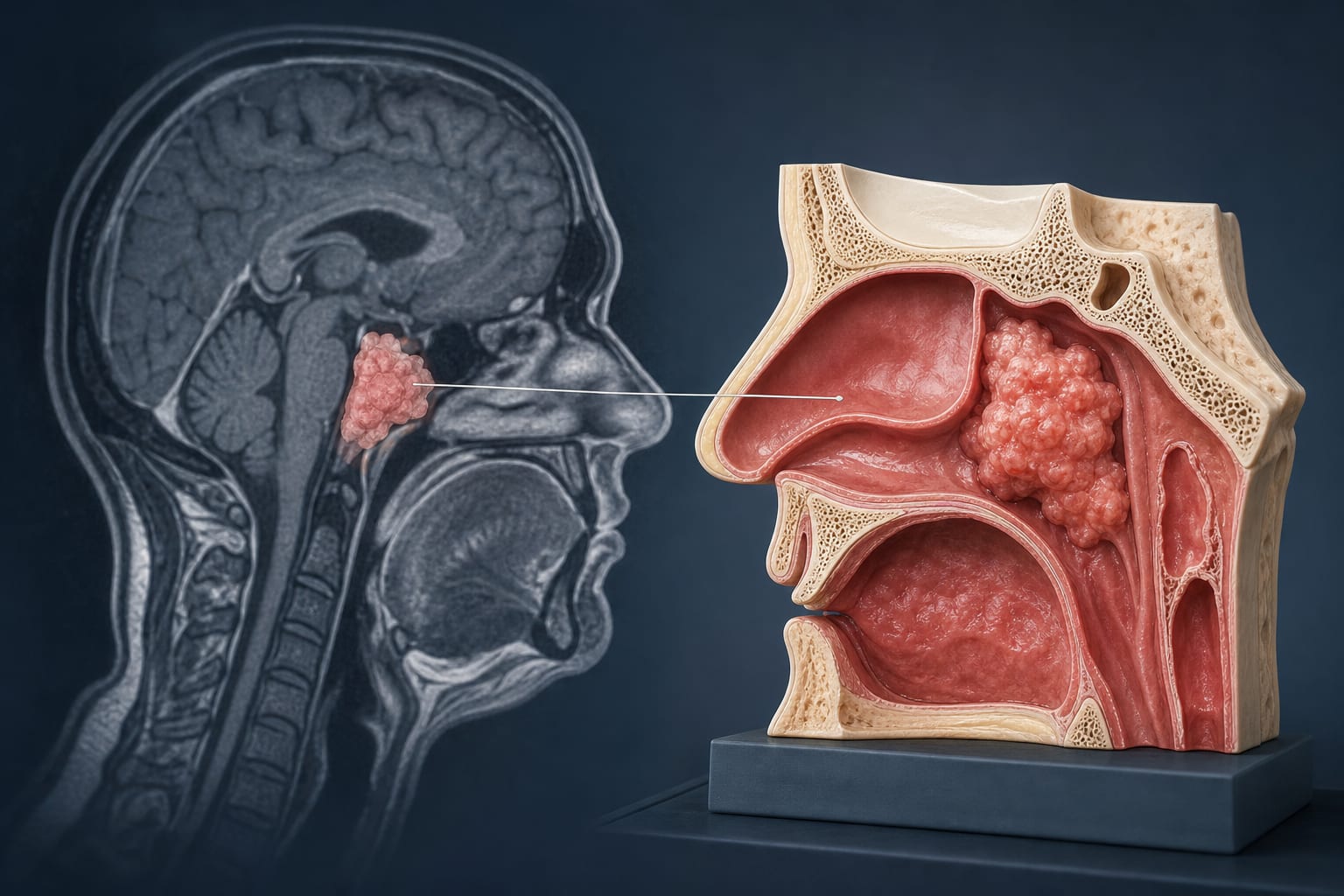
Clinical Report: Cryoablation for Organ-Sparing Treatment of Low Rectal Cancer
Overview
Cryoablation is an interventional approach that induces localized tumor destruction. This report outlines the technical principles, indications, contraindications, and procedural protocols based on institutional experience.
Background
The management of low rectal cancer often necessitates balancing oncologic radicality with functional preservation. Cryoablation offers a minimally invasive alternative for patients who are not candidates for radical resection or who refuse such interventions.
Data Highlights
No numerical data or trial data provided in the source material.
Key Findings
Cryoablation induces localized tumor destruction through mechanisms including cellular necrosis and immune response activation.
It has been utilized at the institution since 1976, demonstrating safety and feasibility for selected LRC patients.
The procedure is characterized by a short learning curve and high reproducibility.
Indications for radical cryotherapy include histologically confirmed rectal adenocarcinoma located within 5 cm of the anal verge.
Ethical considerations and adherence to guidelines are emphasized in the procedural protocol.
Clinical Implications
Clinicians should consider patient eligibility based on tumor characteristics and location.
Conclusion
Cryoablation is an organ-sparing approach for low rectal cancer, with established protocols aimed at ensuring patient safety and treatment efficacy.