Ferroptosis in arterial atherosclerosis: mechanistic hypotheses, cell type specific vulnerabilities, translational biomarkers, and therapeutic opportunities - Report - MDSpire
Clinical Report: Ferroptosis in Atherosclerotic Arteries: Mechanistic Insights
Overview
This review explores the role of ferroptosis in atherosclerosis, highlighting its contribution to endothelial dysfunction and plaque instability.
Background
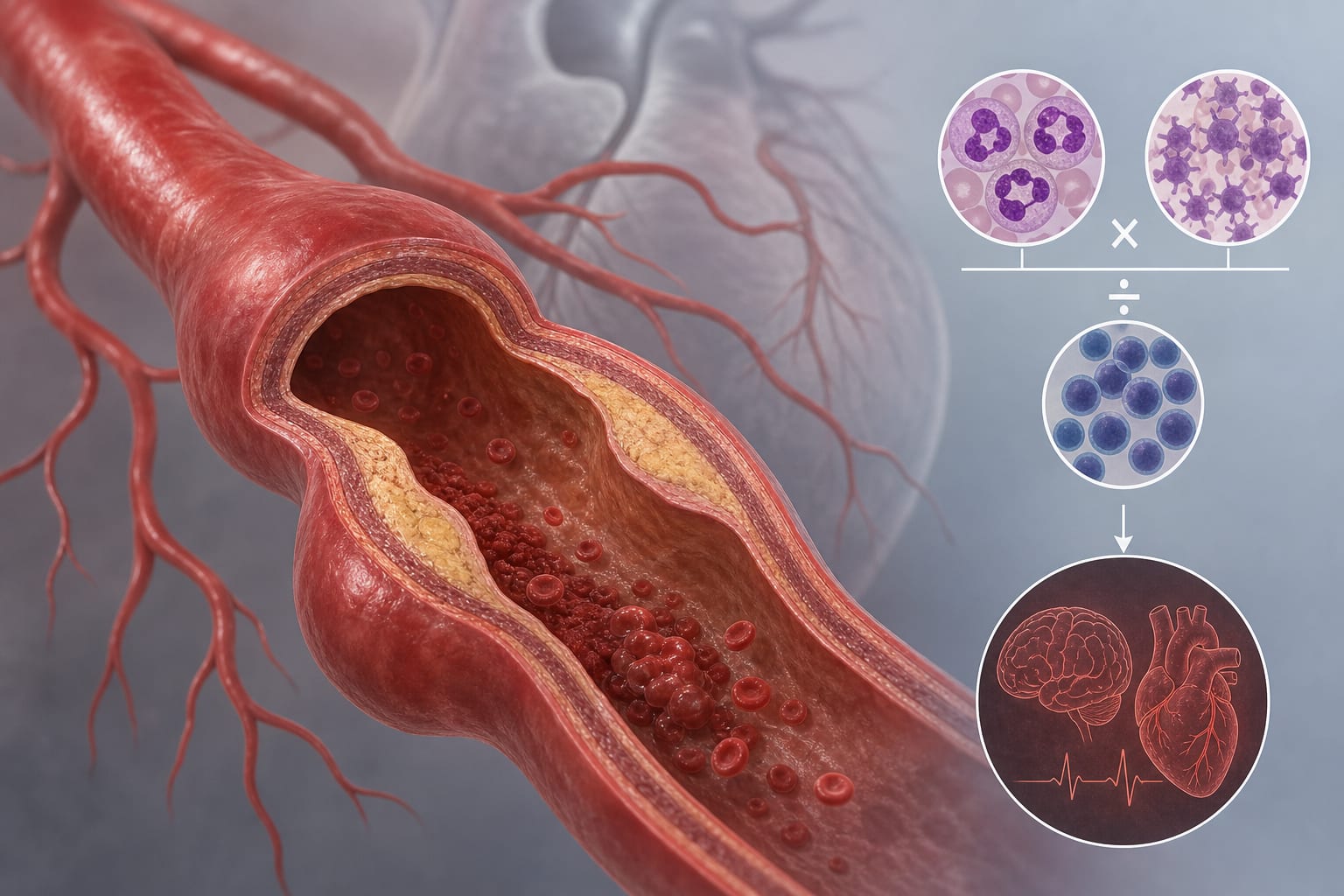
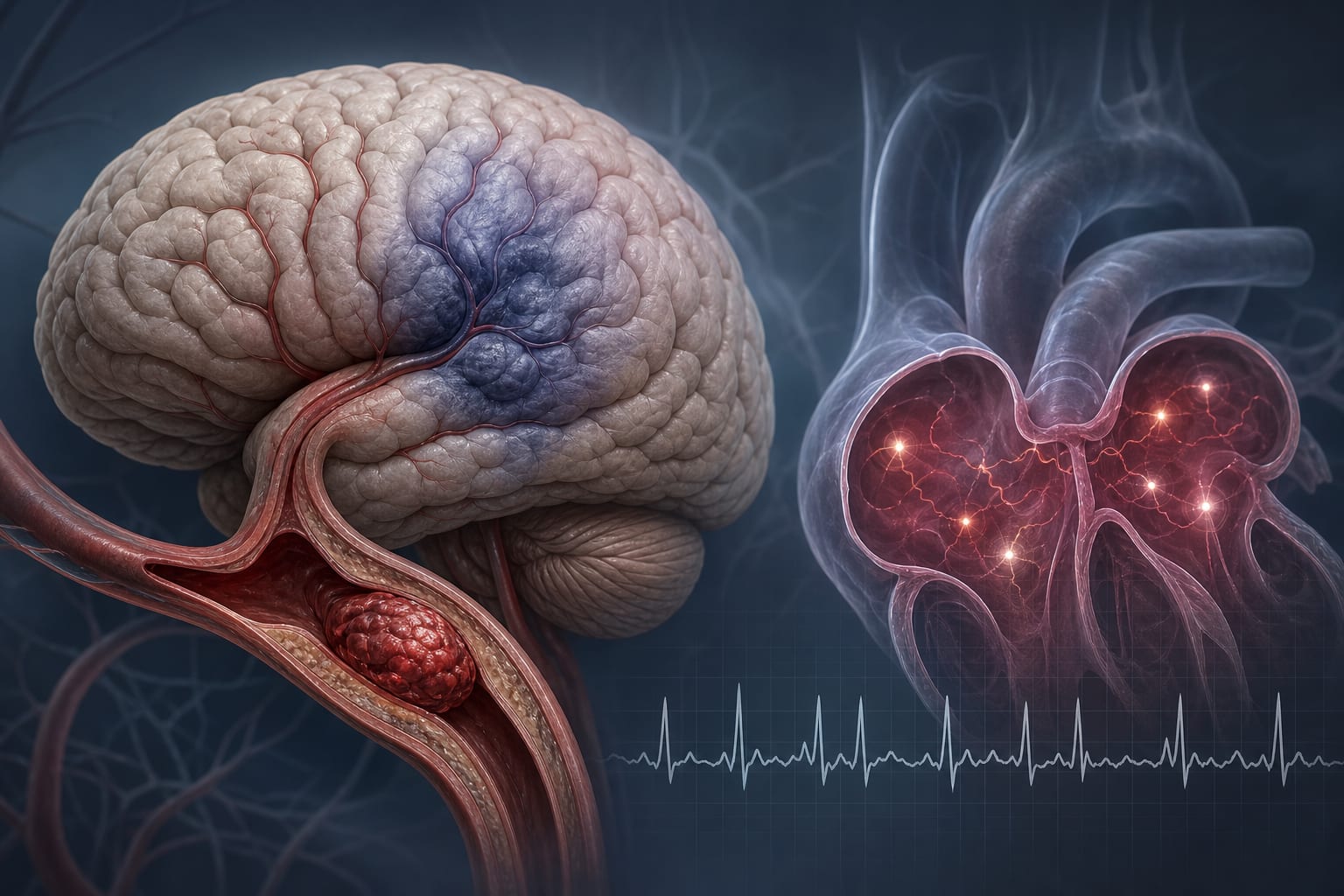
Atherosclerosis is a significant contributor to cardiovascular events such as myocardial infarctions and strokes. Despite advancements in treatment, residual risk persists due to factors like vascular inflammation and oxidative stress. Understanding ferroptosis may provide insights into the mechanisms underlying plaque instability.
Data Highlights
No numerical data or trial data presented in the article.
Key Findings
Ferroptosis is linked to endothelial barrier dysfunction and macrophage foam cell death in atherosclerosis.
Oxidized lipids and redox-active iron in atherosclerotic plaques create a microenvironment conducive to ferroptosis.
IL-1β can prime macrophages for ferroptosis, creating a feedback loop that exacerbates inflammation.
Defective efferocytosis and autophagy impairments contribute to the expansion of the necrotic core in plaques.
Current understanding of ferroptosis in human plaques is limited by inconsistencies in definitions and validation of biomarkers.
Clinical Implications
Identifying ferroptosis-specific signatures in human tissues may enhance risk assessment and management strategies for atherosclerosis.
Conclusion
Ferroptosis is implicated in atherosclerosis, and further research is needed to establish its clinical relevance.