Enhanced physical performance and quality of life in cardiovascular disease patients across BMI groups through exercise-based cardiac rehabilitation - Report - MDSpire
Advertisement
Enhanced physical performance and quality of life in cardiovascular disease patients across BMI groups through exercise-based cardiac rehabilitation
Clinical Report: Improvement in Physical Performance and Life Quality Among CVD Patients
Overview
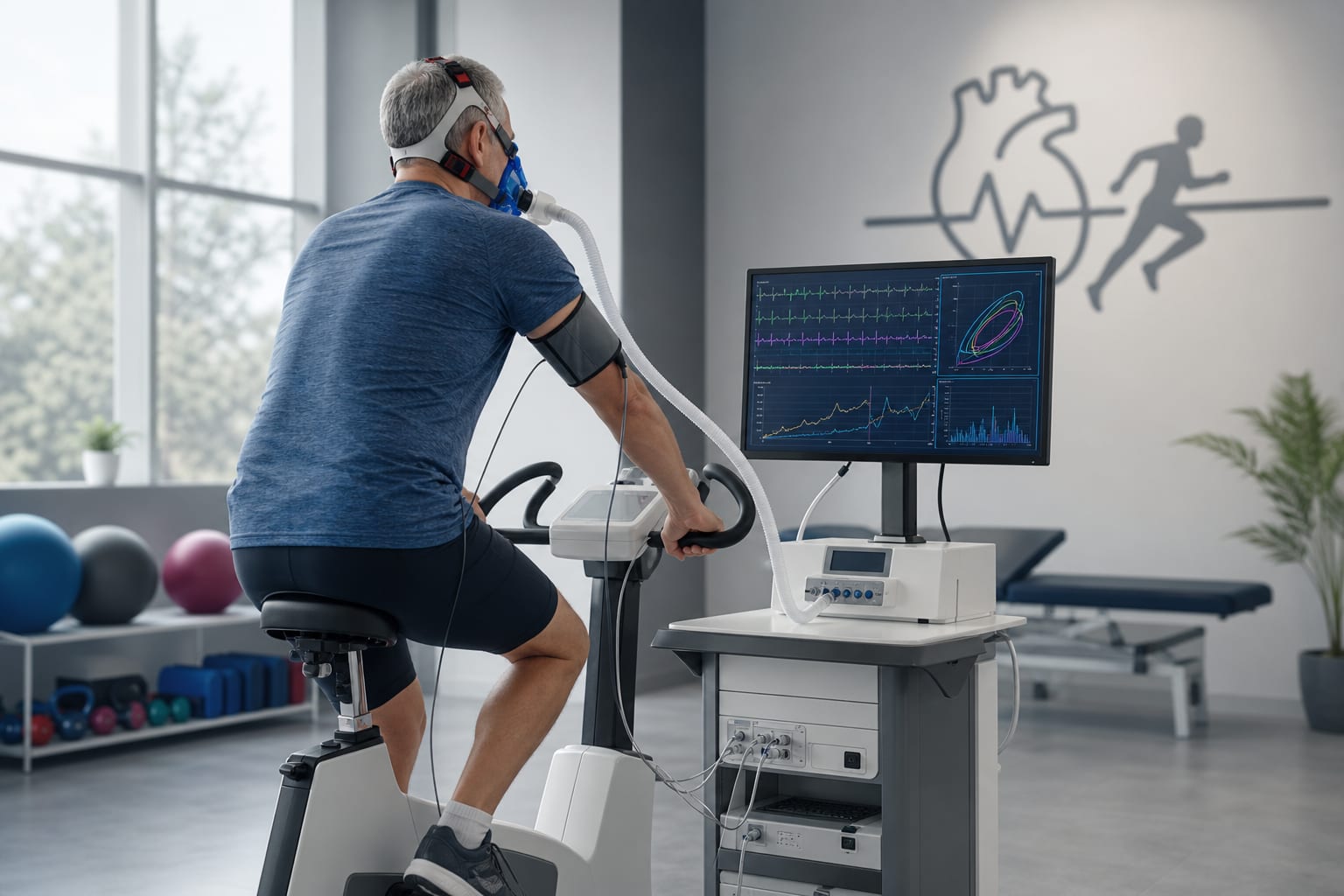
This study evaluates the effects of a structured cardiac rehabilitation program on physical performance and quality of life in cardiovascular disease patients with varying body mass index (BMI). Significant improvements were observed in oxygen uptake, ventilation, workload, and quality of life, alongside reductions in depression and anxiety levels post-rehabilitation.
Background
Cardiovascular diseases (CVD) are a leading cause of global mortality, significantly impacting patients' quality of life. Cardiac rehabilitation (CR) is a guideline-recommended strategy for secondary prevention in CVD patients, aiming to enhance physical performance and overall well-being. Understanding the effects of CR across different BMI levels is crucial, as obesity presents unique challenges in rehabilitation.
Data Highlights
Measure
Before Rehabilitation
After Rehabilitation
p-value
Oxygen Uptake (VO2, mL/min/kg)
10.9 ± 2.9
13.3 ± 3.4
< 0.01
Ventilation (VE, mL/min/kg)
29.3 ± 7.5
35.6 ± 9.3
< 0.01
Workload (W)
56.7 ± 25.4
70.0 ± 27.7
< 0.01
Oxygen Uptake Efficiency Slope (OUES)
1,426.8 ± 346.3
1,547.2 ± 403.5
< 0.01
Key Findings
Structured cardiac rehabilitation significantly improved VO2, VE, workload, and OUES in CVD patients.
Participants reported enhanced quality of life following the rehabilitation program.
Depression and anxiety levels were significantly reduced post-rehabilitation.
Improvements were consistent across different BMI groups.
Cardiac rehabilitation is essential for secondary prevention in CVD patients.
Clinical Implications
The findings suggest that exercise-based cardiac rehabilitation can effectively enhance physical performance and quality of life in CVD patients, regardless of their BMI. Clinicians should consider structured rehabilitation programs as a vital component of care for these patients.
Conclusion
This study provides strong evidence that exercise-focused cardiac rehabilitation leads to meaningful improvements in both physical performance and quality of life for CVD patients, highlighting its importance in comprehensive patient management.