Clinical Report: Impact of Maternal SARS-CoV-2 Infection on Congenital Anomalies
Overview
Revise to specify the need for further research on timing and confounding factors.
Background
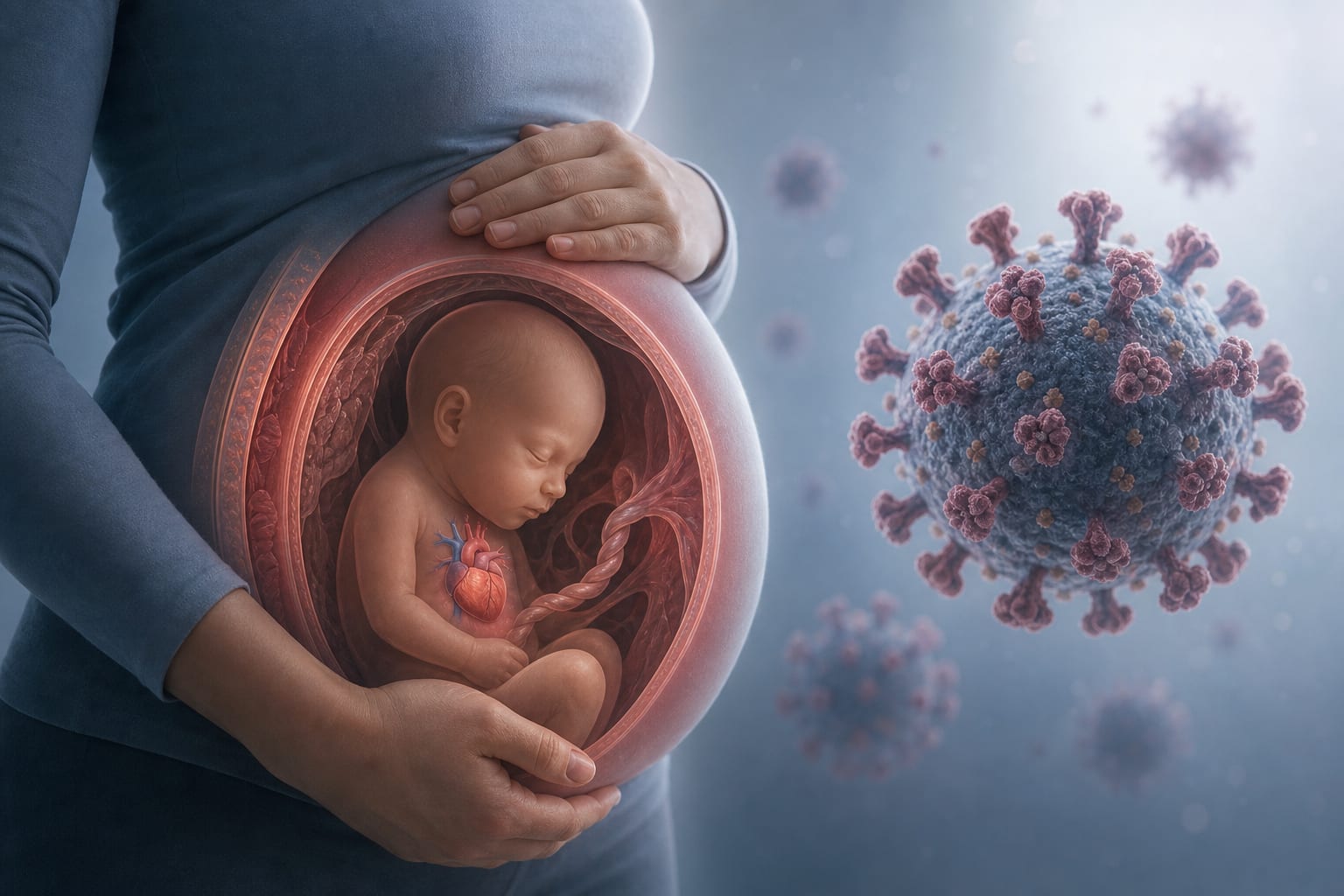
The COVID-19 pandemic has raised concerns regarding maternal and neonatal health outcomes, particularly the potential teratogenic effects of SARS-CoV-2. Congenital anomalies, affecting approximately 3% of births, can arise from maternal infections, necessitating investigation into any associations with COVID-19. Understanding these relationships is crucial for guiding clinical practices and public health policies.
Data Highlights
No significant increase in congenital anomalies was found in newborns of mothers with confirmed SARS-CoV-2 infection during pregnancy.
Key Findings
No increase in rates of congenital anomalies was observed in newborns from mothers with SARS-CoV-2 infection.
Timing of maternal infection (first, second, or third trimester) did not show significant associations with congenital anomalies.
Previous studies have reported conflicting results regarding COVID-19 and congenital anomalies.
Further research is needed to clarify potential confounding factors such as maternal socioeconomic status and health characteristics.
Transplacental transmission of SARS-CoV-2 has been documented, but its impact on congenital anomalies remains unclear.
Clinical Implications
Healthcare providers should continue to monitor maternal health and vaccination status without heightened concern for congenital anomalies solely based on a history of SARS-CoV-2 infection. Routine prenatal care and standard imaging protocols should remain unchanged unless new evidence suggests otherwise.
Conclusion
The study provides reassurance regarding the absence of a significant link between maternal SARS-CoV-2 infection and congenital anomalies, highlighting the need for ongoing research in this area.
by John W. Snelgrove, Rinku Sutradhar, Nancy N. Baxter, Karl Everett, Stephanie C. Lapinsky, Douglas M. Campbell, Mark H. Yudin, Howard Berger, Eliane M. Shore, Andrea N. Simpson