Effects of a clinically led combined with “sandwich” teaching on professional performance, learning engagement, and core competencies among cardiac surgery ICU nurses - Report - MDSpire
Conexiant’s news site is now MDSpire News. Learn more
Advertisement
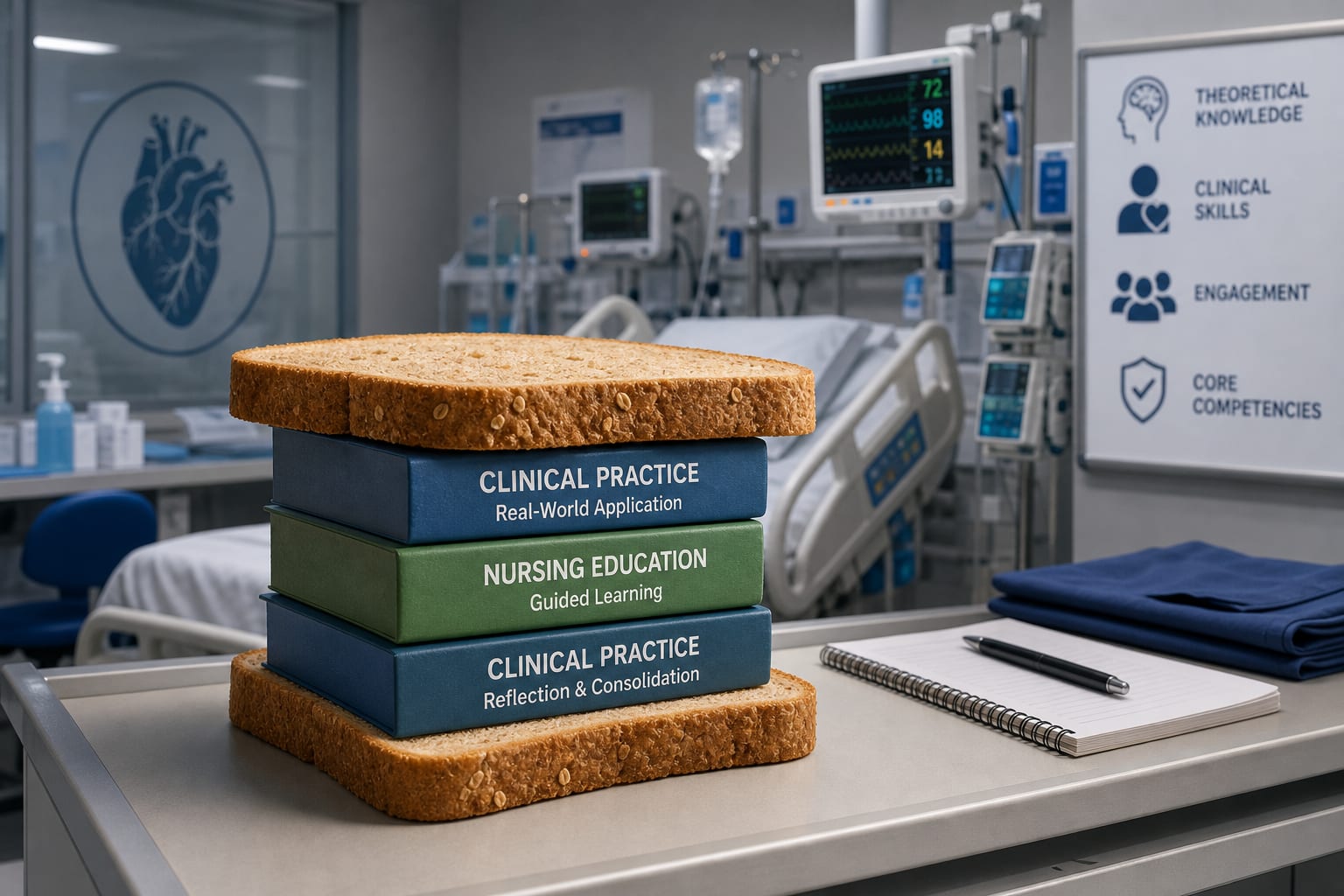
Impact of a Clinically Guided "Sandwich" Teaching Approach on Professional Development, Learning Involvement, and Essential Skills in Cardiac Surgery ICU Nursing Staff
Clinical Report: Impact of a Clinically Guided 'Sandwich' Teaching Approach
Overview
This study evaluates the effects of a clinically led 'sandwich' teaching model on the professional development of nurses in the Cardiac Surgery ICU. Improvements in theoretical knowledge, clinical skills, and core competencies were observed in the intervention group compared to the control group.
Background
The increasing prevalence of cardiovascular diseases necessitates enhanced professional competencies among nursing staff in the Cardiac Surgery Intensive Care Unit (CSICU). Effective training is crucial as nurses must manage complex clinical conditions and make rapid decisions. Traditional teaching methods may not adequately prepare nurses for the challenges faced in the CSICU.
Data Highlights
Outcome
Intervention Group
Control Group
Theoretical Knowledge
Improvement (p < 0.05)
No Significant Change
Critical Care Nursing Skills
Improvement (p < 0.05)
Improvement
Specialized Technical Skills
Improvement (p < 0.05)
No Significant Change
Learning Engagement
Increased (p < 0.05)
No Significant Change (p = 0.066)
Core Competencies
All Dimensions Improved (p < 0.05)
No Baseline Differences
Key Findings
The intervention group showed improvements in theoretical knowledge (p < 0.05).
Critical care nursing skills improved in both groups, while specialized technical skills improved only in the intervention group.
Total learning engagement increased in the intervention group (p < 0.05).
All five core competency dimensions were higher in the intervention group post-training (p < 0.05).
No baseline differences were found across core competency dimensions.
Clinical Implications
The findings indicate that the clinically led 'sandwich' teaching model may enhance the training of nurses in specialized surgical environments like the CSICU.
Conclusion
The study indicates that the 'sandwich' teaching model can enhance the professional development of CSICU nurses, particularly in theoretical knowledge and clinical skills.