Clinical Report: Innovative Approaches to Tuberculosis Control in India
Background
Tuberculosis remains a leading cause of infectious disease mortality globally, with India accounting for approximately 26% of the global TB burden. Despite efforts under the National Tuberculosis Elimination Programme (NTEP), significant barriers such as multidrug-resistant tuberculosis (MDR-TB) and healthcare inequities persist.
Data Highlights
In 2023, India reported approximately 2.7 million TB cases, accounting for nearly one-quarter of global cases. The incidence rate declined from 237 cases per 100,000 population in 2015 to approximately 187 cases per 100,000 population in 2024.
Key Findings
The COVID-19 pandemic disrupted TB diagnosis, treatment, and healthcare accessibility.
Multidrug-resistant tuberculosis (MDR-TB) continues to be a significant challenge in TB control efforts.
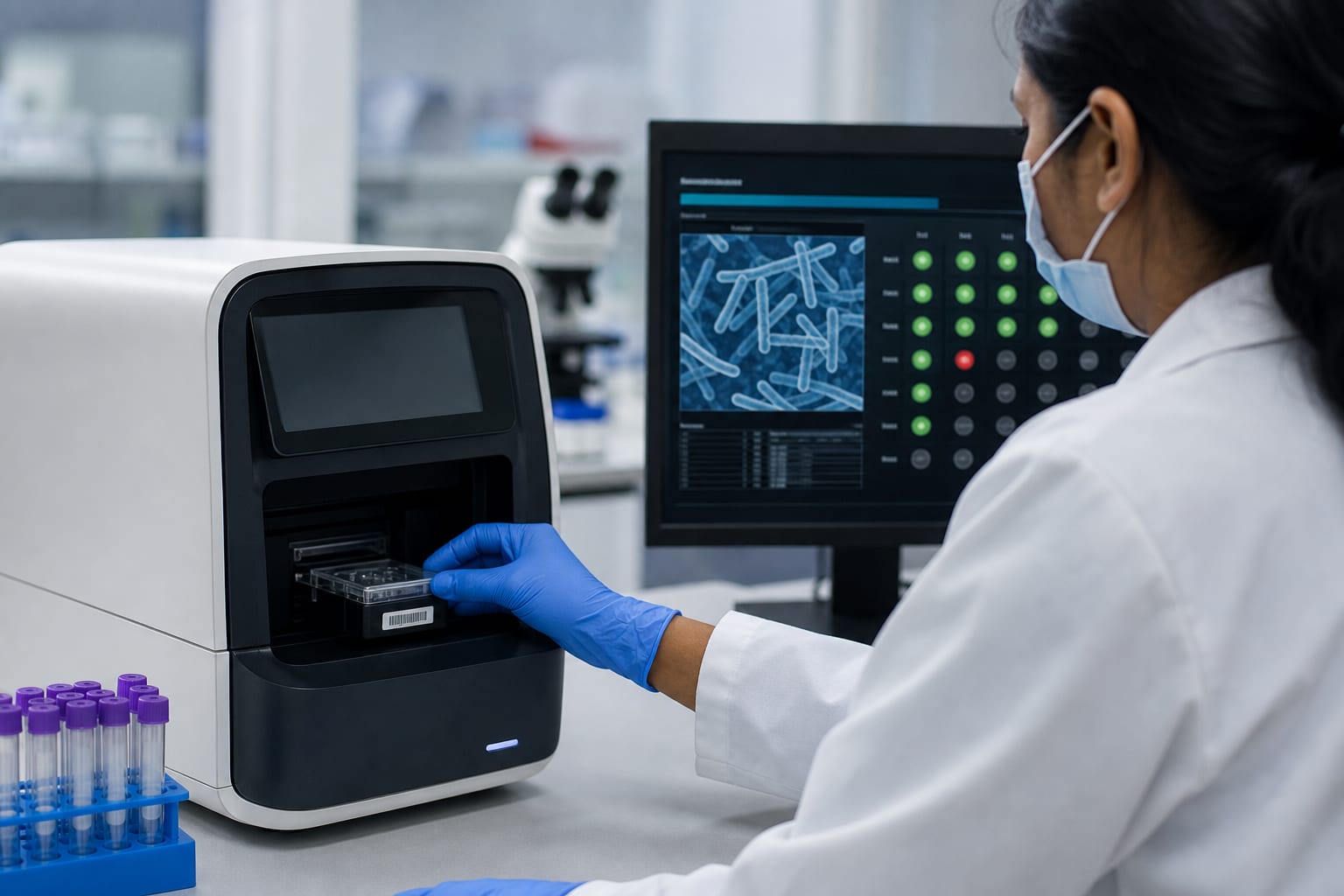
Advancements in molecular diagnostics and digital health initiatives have been implemented to strengthen TB control strategies.
Healthcare disparities and fragmented private healthcare systems hinder progress toward TB elimination.
Integrated and patient-centered approaches are necessary to address broader socioeconomic determinants affecting TB transmission.
Clinical Implications
Healthcare professionals should be aware of the ongoing challenges in TB control, particularly the impact of COVID-19 and drug resistance.
Conclusion
The review highlights the need for coordinated multisectoral approaches to accelerate TB elimination efforts in India.