Effects of Reperfusion Success on Thrombectomy Results in Patients with Pre-existing Stroke Disability
Overview
This study evaluates the impact of reperfusion success on functional outcomes in patients with pre-stroke disability undergoing mechanical thrombectomy (MT). Successful reperfusion was associated with improved 90-day modified Rankin Scale (mRS) scores across various levels of baseline disability.
Background
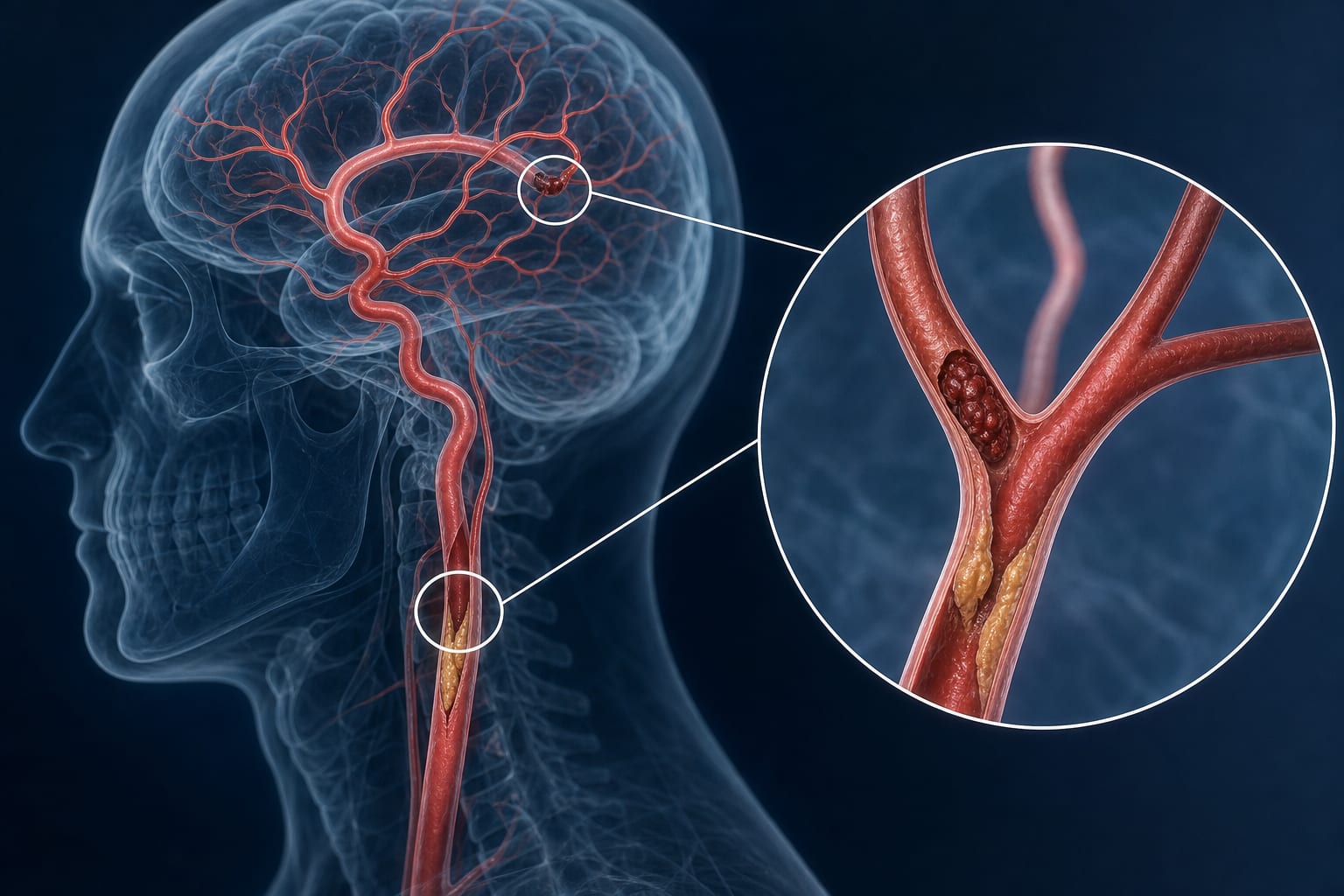
Mechanical thrombectomy (MT) has been shown to improve outcomes for patients with large vessel occlusion stroke. However, the clinical benefits for patients with pre-stroke disability remain uncertain, as many studies have historically excluded this population. Understanding the effects of reperfusion in these patients is crucial for expanding treatment eligibility and optimizing outcomes.
Data Highlights
Measure
Outcome
Patients with pre-stroke disability (mRS 1-4)
1,457 (30.1% of 4,840 MT patients)
Improved 90-day mRS odds (baseline mRS 0-3)
Significantly greater with successful reperfusion
Discharge mRS
Lower across all baseline strata with successful reperfusion
First-pass effect (FPE)
Consistent clinical benefit regardless of pre-stroke disability level
Key Findings
1,457 out of 4,840 patients had pre-stroke disability (mRS 1-4).
Successful reperfusion was linked to improved 90-day mRS for patients with baseline mRS 0-3.
No significant interaction between reperfusion success and baseline disability regarding 90-day mRS (p = 0.12).
Successful reperfusion was associated with lower discharge mRS across all baseline strata.
FPE provided consistent clinical benefits irrespective of pre-stroke disability level.
Outcomes were similar between patients with neurological and non-neurological sources of disability.
Clinical Implications
The findings indicate that successful reperfusion is associated with improved functional outcomes in patients with varying levels of pre-stroke disability.
Conclusion
Successful reperfusion is associated with improved functional outcomes in patients with pre-existing stroke disability.
by Sávio Batista, Jaydevsinh N. Dolia, Jonathan Grossberg, Raul Nogueira, Santiago Ortega-Gutierrez, Sunil Sheth, Alex Alqudah, Theja Yelam, Pedro Nascimento Martins, Alhamza R. Al-Bayati, Mohamed F. Doheim, Lucas Rios Rocha, Jorge Cespedes, Leonardo Cruz-Criollo, Anderson Brito, Ngoc Mai Le, Hussain M Azeem, Joseph N Samaha, Diogo C. Haussen