Optimizing Food-Is-Medicine Programs for High Blood Pressure
-
By
-
Katie J. Gao
-
Yingfei Wu
-
Stephen P. Juraschek
-
June 1, 2026
-
0 min
Clinical Report: Enhancing Food-as-Medicine Initiatives for Managing Hypertension
Overview
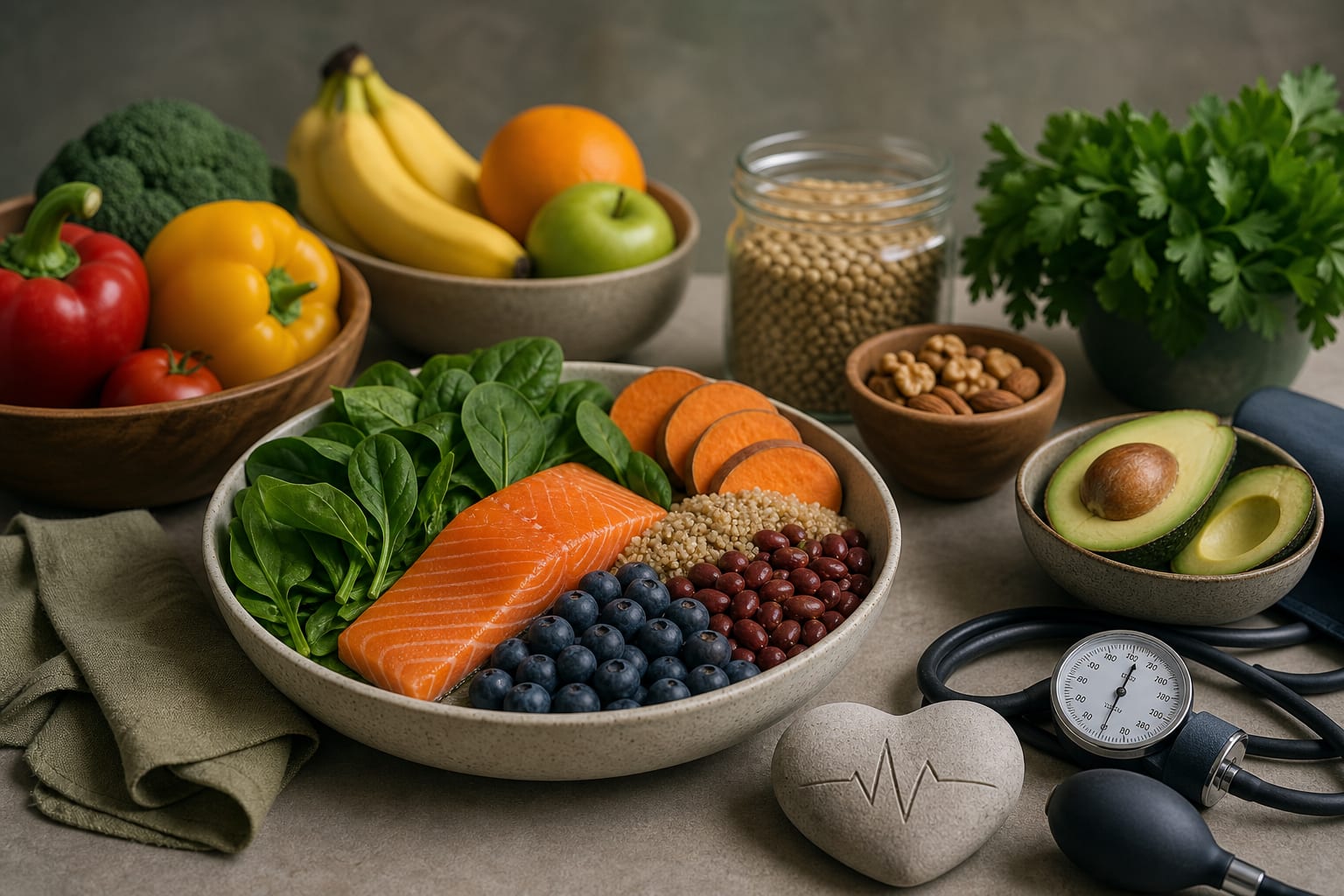
The Healthy Food First trial demonstrated that food-as-medicine interventions can improve blood pressure, with a grocery stipend showing greater efficacy than a food box. These findings underscore the importance of food quality and participant choice in managing hypertension and food insecurity.
Background
Hypertension remains a leading cardiovascular risk factor, yet control rates are inadequate globally. Food insecurity complicates hypertension management, necessitating innovative interventions that integrate nutrition and behavioral strategies. Food-as-medicine initiatives aim to address these challenges by providing healthy food options to improve health outcomes.
Data Highlights
The Healthy Food First trial showed that a grocery stipend led to greater reductions in systolic blood pressure compared to a food box intervention, despite both improving food security.
Key Findings
- The grocery stipend intervention resulted in more significant blood pressure reductions than the food box.
- Improvements in food security were observed in both intervention arms.
- Quality and choice of food provided are critical for the success of food-as-medicine programs.
- Engagement in grocery selection may enhance adherence to dietary recommendations.
- Future research should explore the implications of food benefit restrictions on health outcomes.
Clinical Implications
Healthcare providers should consider integrating food-as-medicine approaches into hypertension management strategies, emphasizing patient choice and high-quality food options. Engaging patients in the selection of their dietary resources may lead to better adherence and health outcomes.
Conclusion
Optimizing food-as-medicine initiatives requires a focus on both the nutritional quality of provided foods and the empowerment of participants in their dietary choices. These elements are essential for effective hypertension management and addressing food insecurity.
Related Resources & Content
- Berkowitz et al, JAMA Internal Medicine, 2025 -- Healthy Food First randomized trial
- American Heart Association, 2025 High Blood Pressure Guideline -- Treatment Goals and Lifestyle Measures
- Health Care by Food, Food Insecurity Interventions to Improve Blood Pressure -- Healthy Food First Trial
- JAMA Network, DASH-Patterned Groceries and Effects on Blood Pressure -- GoFresh Trial
- JAMA Internal Medicine — Optimizing Food-Is-Medicine Programs for High Blood Pressure—Reply
- European Journal of Preventive Cardiology — Bridging the gap between hypertension guidelines and real-life practice: strategies and technological tools for improving long-term population blood pressure control
- JAMA Network Open — Clinical Decision Support System, Antihypertensive Treatment Intensification, and Blood Pressure Control: A
- DIGITAL HEALTH — Evaluation of a pharmacist-led digital hypertension management program in a tertiary hospital in Singapore
- JAMA Internal Medicine - Optimizing Food-Is-Medicine Programs for High Blood Pressure
- European Journal of Preventive Cardiology - Bridging the gap between hypertension guidelines and real-life practice
- JAMA Network Open - Clinical Decision Support System, Antihypertensive Treatment Intensification
- 2025 High Blood Pressure (BP) Guideline - Professional Heart Daily | American Heart Association
- Food Insecurity Interventions to Improve Blood Pressure: The Healthy Food First Factorial Randomized Clinical Trial | Health Care by Food
- DASH-Patterned Groceries and Effects on Blood Pressure: The GoFresh Randomized Clinical Trial | Trials | JAMA | JAMA Network
- A Systematic Review of "Food Is Medicine" Randomized Controlled Trials for Noncommunicable Disease in the United States: A Scientific Statement From the American Heart Association - PubMed
This content is an AI-generated, fully rewritten summary based on a published scholarly article. It does not reproduce the original text and is not a substitute for the original publication. Readers are encouraged to consult the source for full context, data, and methodology.