Clinical Report: Uneven Recovery Revealing Watershed Infarction in ICU Patient
Overview
This case study presents a 59-year-old female who developed profound muscle weakness following ICU admission for severe pneumonia and septic shock. Subsequent imaging revealed watershed infarctions.
Background
ICU-acquired weakness (ICUAW) is a common complication in critically ill patients, often leading to significant physical impairment and challenges in weaning from mechanical ventilation. The condition can present with atypical symptoms, complicating diagnosis and management.
Data Highlights
No numerical data or trial data provided in the article.
Key Findings
A 59-year-old female developed profound muscle weakness post-ICU admission for pneumonia and septic shock.
Initial diagnosis of ICUAW was supported by electrophysiological studies and muscle biopsy.
Asymmetrical motor recovery was observed, with persistent left-sided deficits despite negative cranial CT.
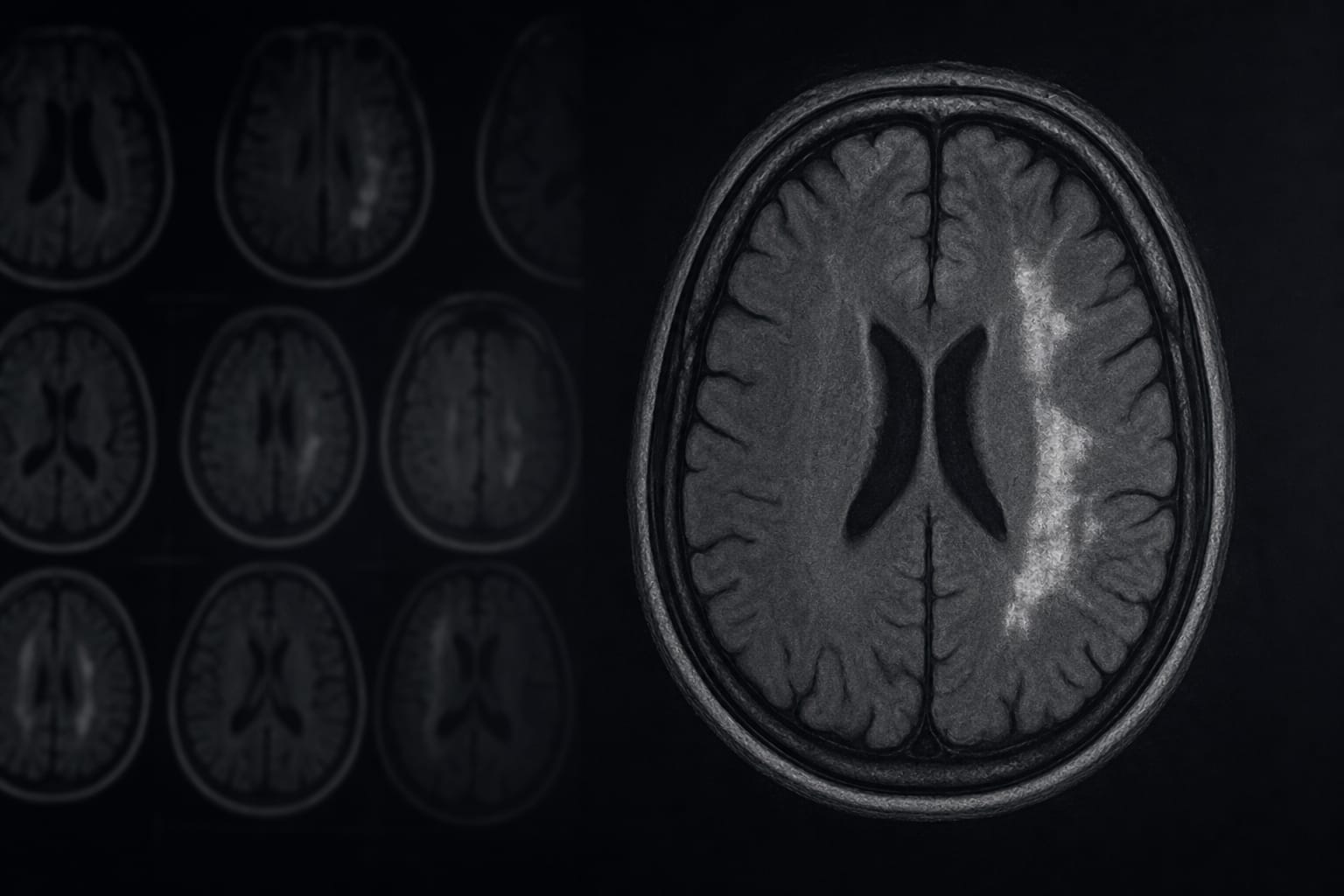
Cranial MRI revealed fresh watershed infarctions in the right hemisphere.
A tailored rehabilitation strategy led to significant functional improvement, with full recovery at 2-year follow-up.
Clinical Implications
This case underscores the importance of thorough neurological evaluation in patients with ICUAW, especially when recovery patterns are atypical. A multimodal approach to rehabilitation may enhance recovery outcomes in complex ICU patients.
Conclusion
The findings from this case highlight the need for vigilance in diagnosing and managing ICUAW, particularly when neurological complications may be present. A comprehensive rehabilitation strategy is essential for optimal recovery.