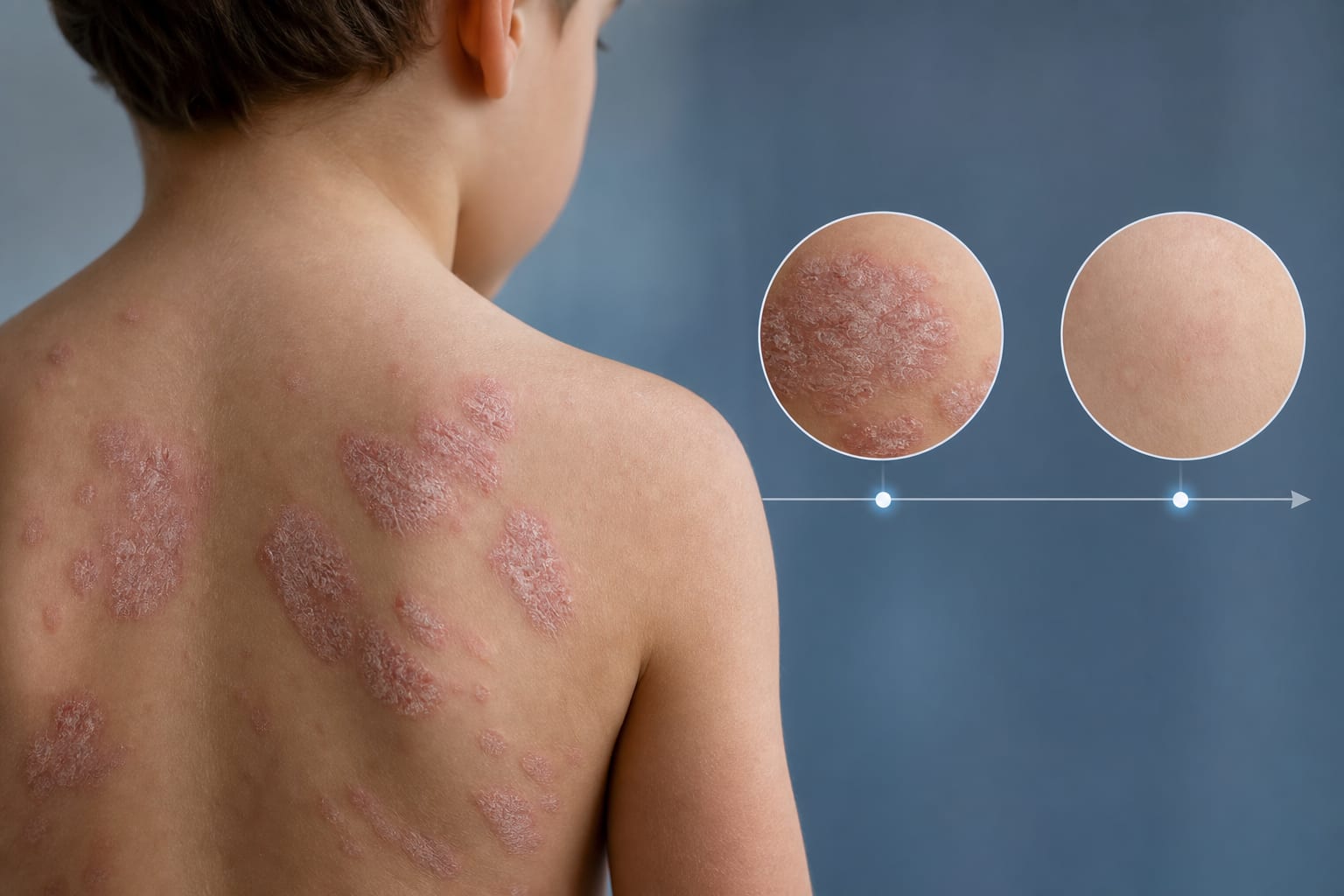
Efficacy, Quality of Life Improvement, and Longevity of Risankizumab in Individuals with Moderate-to-Severe Psoriasis: Insights from the PRIMMA Study's Real-World Data - Report - MDSpire
Advertisement
Efficacy, Quality of Life Improvement, and Longevity of Risankizumab in Individuals with Moderate-to-Severe Psoriasis: Insights from the PRIMMA Study's Real-World Data
Clinical Report: Efficacy, Quality of Life Improvement, and Longevity of Risankizumab
Overview
The PRIMMA study demonstrates that risankizumab significantly improves quality of life, reduces pruritus, and enhances work productivity in patients with moderate-to-severe psoriasis over 52 weeks. Notably, 58% of participants achieved a Dermatology Life Quality Index score of 0/1, indicating substantial quality of life improvements.
Background
Moderate-to-severe psoriasis is a chronic condition that severely impacts patients' physical and psychosocial well-being. Effective management is crucial as pruritus and other symptoms can lead to significant impairment in quality of life. The introduction of biologic therapies like risankizumab offers new avenues for achieving better patient outcomes, but real-world evidence on their effectiveness is essential for guiding treatment decisions.
Data Highlights
Outcome Measure
Results
DLQI 0/1
58%
Low Pruritus (PNRS 0-3)
81%
sPGA 0/1
77%
Improvement in Sleep and Work Productivity
Significant
Nocturnal Scratch Duration
Significantly Reduced
Key Findings
58% of patients achieved a DLQI score of 0/1 after 52 weeks of treatment.
81% reported low pruritus (PNRS 0-3) at the end of the study.
77% reached a static PGA score of 0/1, indicating minimal disease activity.
Improvements were observed in sleep quality and work productivity.
Digital monitoring showed a significant reduction in nocturnal scratching duration.
Clinical Implications
The findings underscore the importance of integrating patient-reported outcomes and objective measures in managing moderate-to-severe psoriasis. Clinicians should consider risankizumab as a viable treatment option for improving quality of life and reducing symptom burden in affected patients.
Conclusion
Risankizumab demonstrates significant efficacy in enhancing quality of life and reducing pruritus in patients with moderate-to-severe psoriasis. The integration of digital monitoring tools may further optimize treatment strategies.
A VHA study across 11 vendors finds AI-generated primary care notes score lower than clinician-written notes, with the largest deficits in thoroughness, organization, and usefulness