A Bioelectromagnetic Perspective on Chronic Primary Pain: Exploring the Link Between Thalamocortical Dysrhythmia and the Consciousness-Brain Connection
-
By
-
Muhammad Khatib
-
Dror Robinson
-
Mustafa Yassin
-
June 4, 2026
A Bioelectromagnetic Perspective on Chronic Primary Pain
Overview
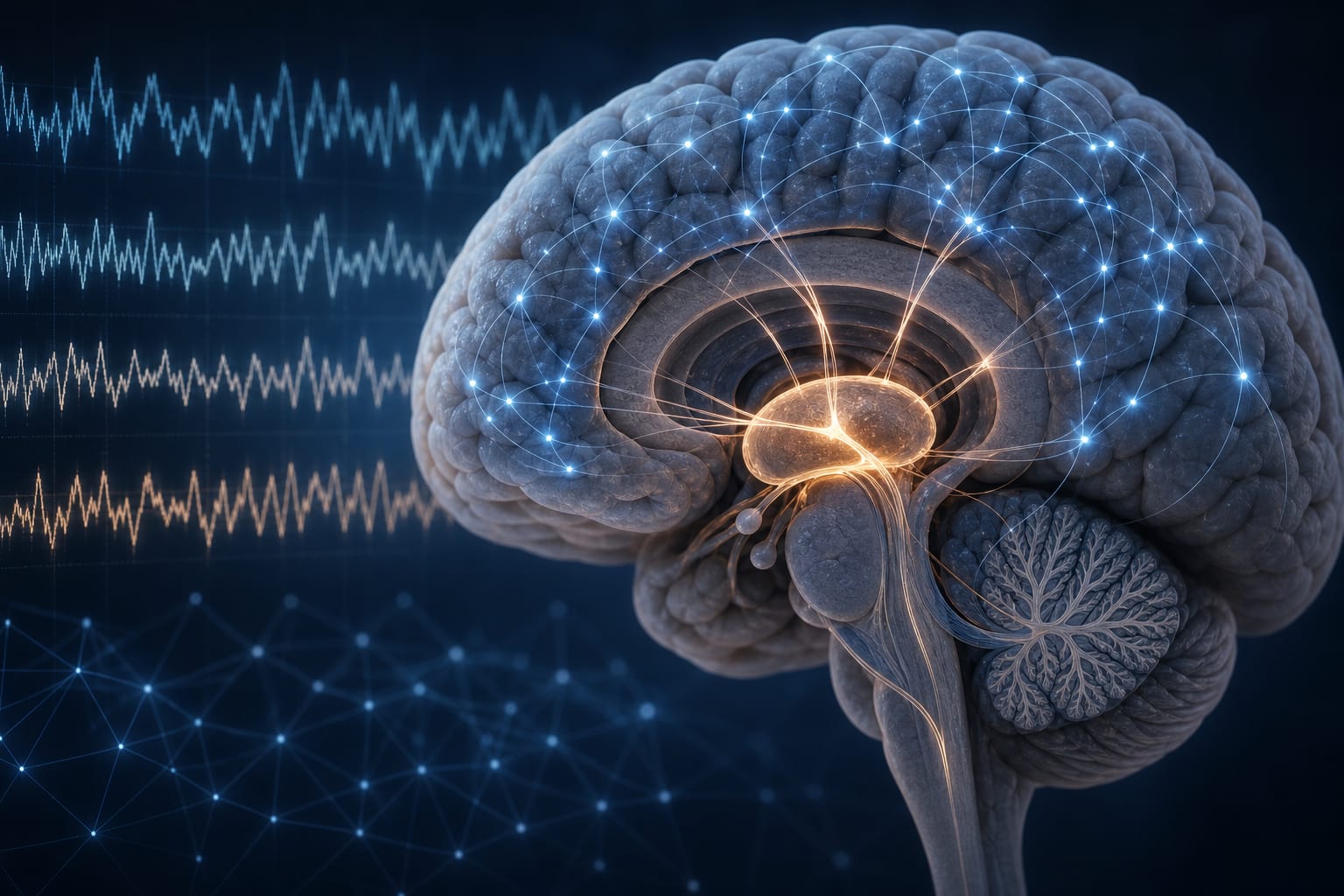
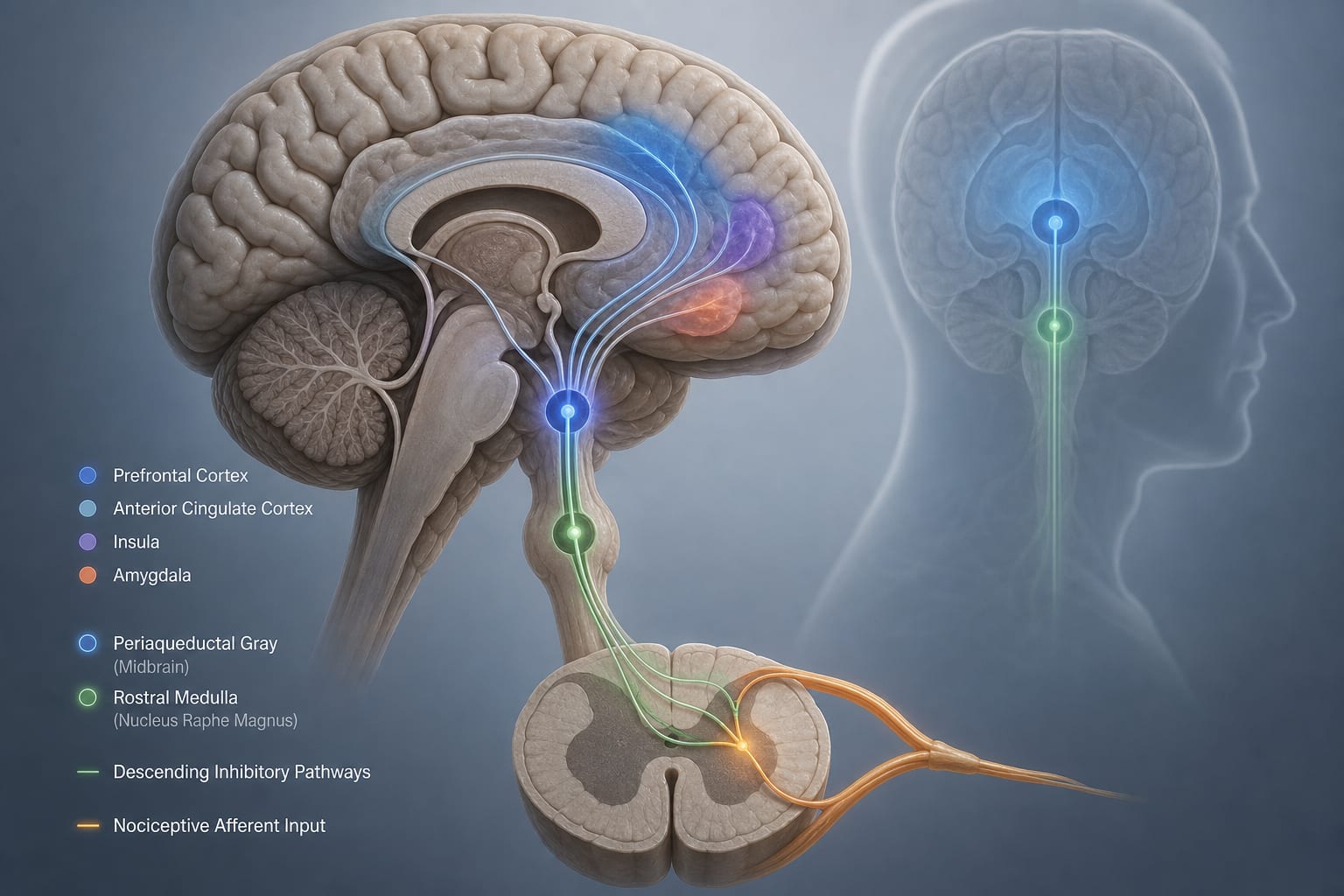
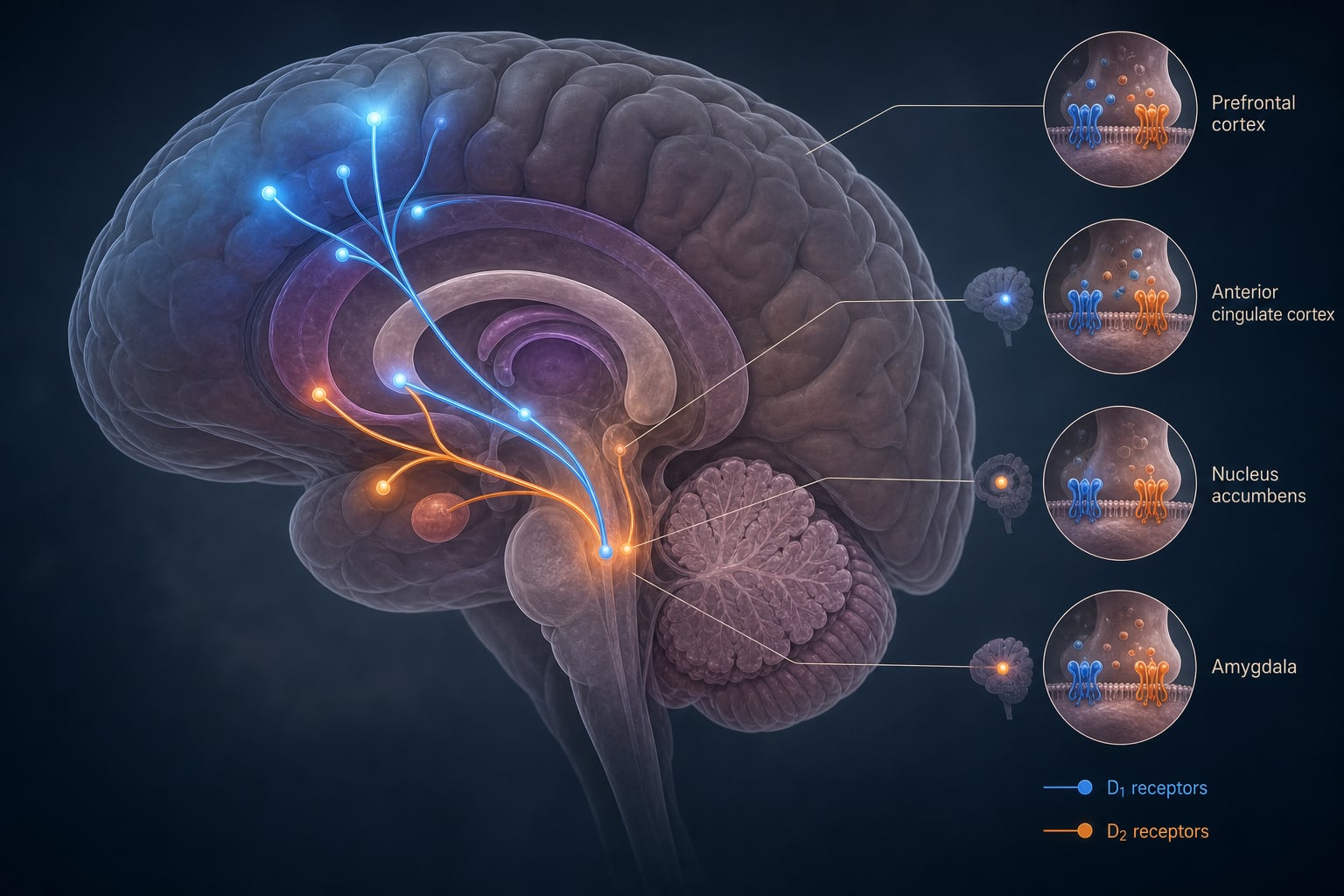
This report explores the hypothesis that chronic primary pain may stem from disruptions in bioelectromagnetic coherence at the intersection of consciousness and neural tissue. Evidence suggests that thalamocortical dysrhythmia and other bioelectromagnetic factors play a significant role in the etiology of chronic pain.
Background
Chronic pain affects approximately 20% of the global adult population and is a leading cause of disability, imposing a substantial economic burden. The WHO's recognition of chronic primary pain as a distinct disease in ICD-11 necessitates new frameworks for understanding its etiology. Current models often focus on downstream effects rather than the primary causes of chronic pain.
Data Highlights
No numerical or trial data provided in the source material.
Key Findings
- Thalamocortical dysrhythmia is documented in chronic pain patients via magnetoencephalography.
- Heart rate variability abnormalities and reduced cardiac coherence are consistently found in chronic pain populations.
- Photobiomodulation has shown efficacy in randomized controlled trials, suggesting an electromagnetic etiology for chronic pain.
- Mitochondrial bioenergetic dysfunction may precede inflammatory cascades in chronic pain conditions.
- Alterations in ultra-weak photon emission correlate with various disease states.
- Circadian rhythm disruptions are patterns observed in chronic pain conditions.
Clinical Implications
Understanding chronic primary pain as a distinct disease entity may lead to novel therapeutic approaches targeting bioelectromagnetic coherence. This perspective emphasizes the need for interventions that address the underlying mechanisms rather than merely treating symptoms.
Conclusion
The hypothesis presented offers a new framework for understanding chronic primary pain, positioning bioelectromagnetic disruption as a potential primary cause. Further research is needed to explore therapeutic strategies aimed at restoring electromagnetic coherence.
Related Resources & Content
- World Health Organization, ICD-11, 2019 -- Chronic Primary Pain
- DIGITAL HEALTH — Sex-specific effects of digital home-based neuromodulation combined with mindfulness-based meditation on knee osteoarthritis symptoms
- Frontiers in Neurology — A meta-analysis of neuroimaging evidence for acupuncture-mediated modulation of altered central pain processing in patients with chronic pain
- Clinical Rheumatology — Understanding Central Sensitization: A Biopsychosocial Perspective on Chronic Widespread Pain in Fibromyalgia and Chronic Fatigue Syndrome Patients
- Pain Medicine — Combined transcranial direct current stimulation and pain neuroscience education for chronic low back pain: a randomized controlled trial
- Sex-specific effects of digital home-based neuromodulation combined with mindfulness-based meditation on knee osteoarthritis symptoms
- A meta-analysis of neuroimaging evidence for acupuncture-mediated modulation of altered central pain processing in patients with chronic pain
- Understanding Central Sensitization: A Biopsychosocial Perspective on Chronic Widespread Pain in Fibromyalgia and Chronic Fatigue Syndrome Patients
- Combined transcranial direct current stimulation and pain neuroscience education for chronic low back pain: a randomized controlled trial
- Deciphering nociplastic pain: clinical features, risk factors and potential mechanisms
- Introduction to the ICD-11
- Optimal Frequency in Repetitive Transcranial Magnetic Stimulation for the Management of Chronic Pain: A Network Meta-Analysis of Randomized Controlled Trials - ScienceDirect
Based on findings from:
A bioelectromagnetic hypothesis of chronic primary pain: from thalamocortical dysrhythmia to the consciousness-brain interface
Muhammad Khatib, Dror Robinson, Mustafa Yassin. Frontiers In Pain Research, 2026.
https://www.frontiersin.org/journals/pain-research/articles/10.3389/fpain.2026.1790293/full
This content is an AI-generated, fully rewritten summary based on a published scholarly article. It does not reproduce the original text and is not a substitute for the original publication. Readers are encouraged to consult the source for full context, data, and methodology.