Clinical Report: User Acceptance and Integration of AI-Driven Lifestyle Change Recommendations
Overview
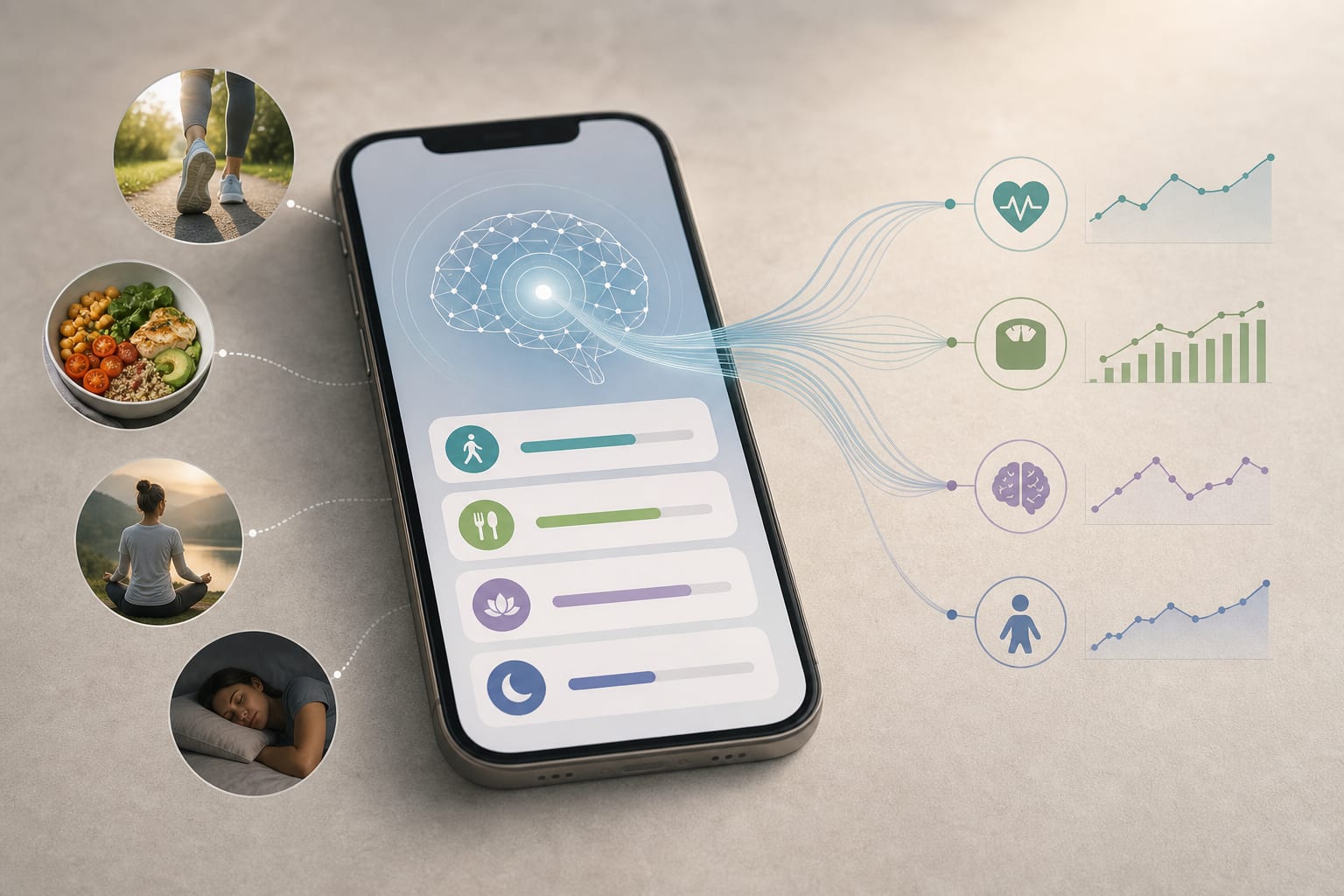
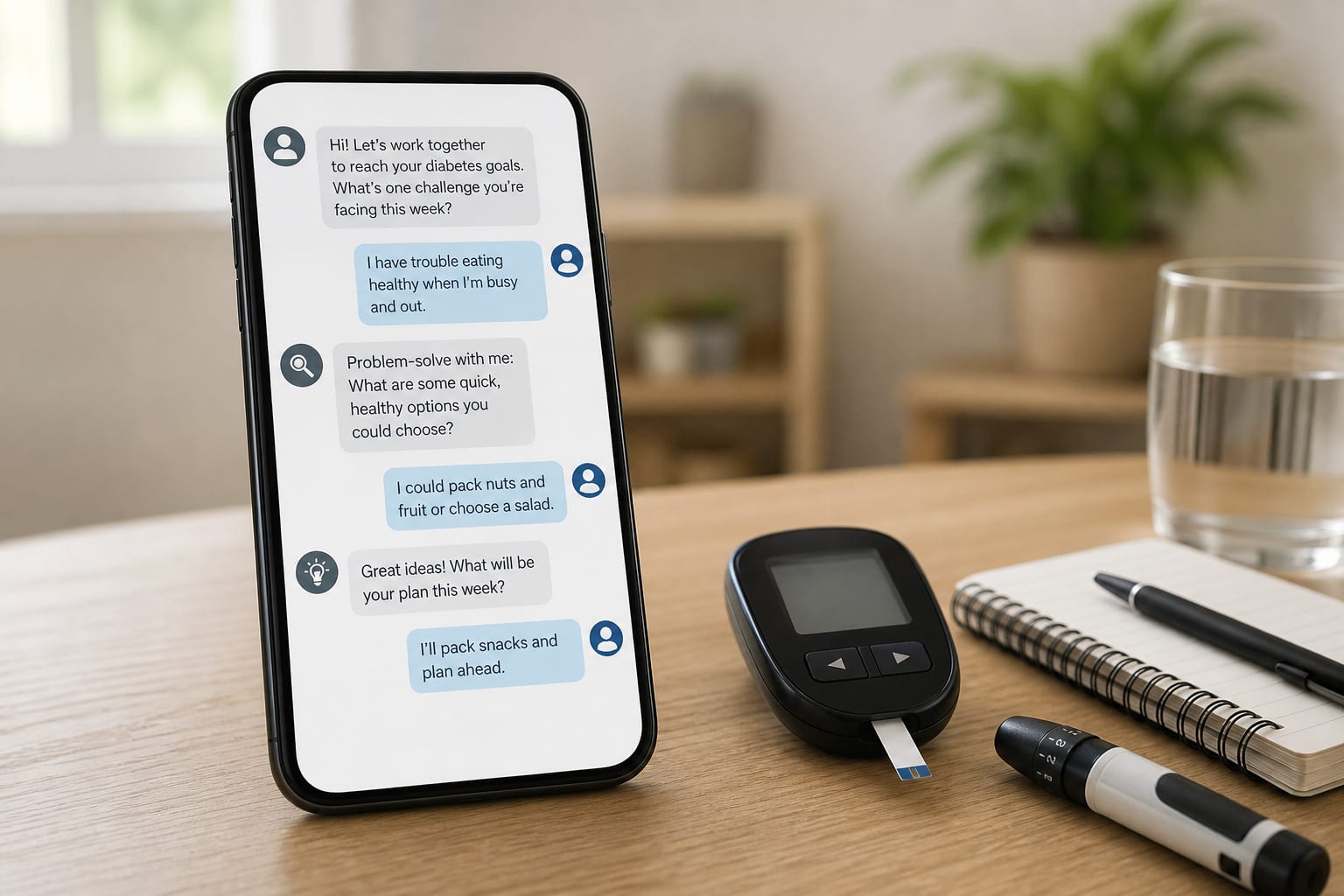
This scoping review explores the integration of AI-driven lifestyle change recommendations in managing noncommunicable diseases (NCDs).
Background
Noncommunicable diseases (NCDs) are a significant global health challenge, contributing to preventable morbidity and mortality. Lifestyle factors are key modifiable drivers of NCD risk, making effective lifestyle interventions essential for prevention and management. The integration of digital health technologies, particularly artificial intelligence (AI), offers avenues for delivering scalable lifestyle change interventions.
Data Highlights
No numerical data provided in the source material.
Key Findings
AI technologies can enhance personalized lifestyle interventions for NCD prevention.
Barriers to patient acceptance of AI in healthcare include concerns about transparency and trust.
Effective integration of AI requires alignment with real-world contexts and patient needs.
AI-driven interventions have shown potential in improving health behaviors in controlled settings.
Regulatory frameworks are evolving to ensure safety and efficacy in AI applications in health.
Clinical Implications
Understanding patient concerns and addressing barriers to acceptance can enhance the effectiveness of AI-driven interventions.
Conclusion
The integration of AI in lifestyle interventions requires careful consideration of patient acceptance and regulatory guidelines.
A regional UK audit found wide variation in imaging intervals among patients referred for mechanical thrombectomy and identified potentially modifiable barriers to timely vascular imaging.