Biochanin A attenuates doxorubicin-induced cardiotoxicity in rats with associated modulation of PI3K/Akt/mTOR and p38 MAPK signaling - Report - MDSpire

Biochanin A attenuates doxorubicin-induced cardiotoxicity in rats with associated modulation of PI3K/Akt/mTOR and p38 MAPK signaling

  • By

  • Mashael M. AlMutairi

  • Huda M. AlKreathy

  • Rasheed A. Shaik

  • Amani E. Alharbi

  • Rania Magadmi

  • July 7, 2026

  • 0 min

Share

Clinical Report: Biochanin A Reduces Cardiac Toxicity Caused by Doxorubicin

Overview

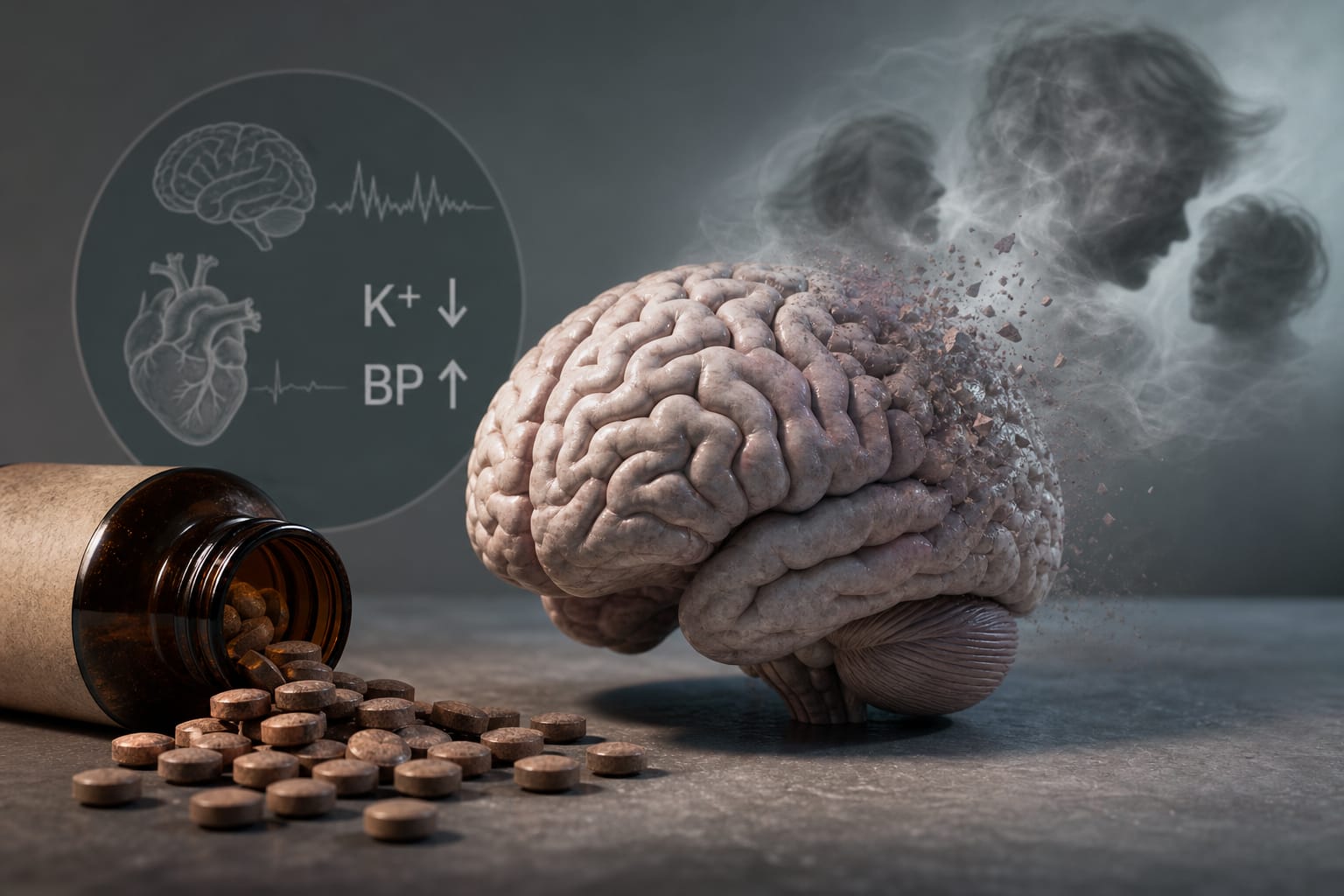
Biochanin A (BCA) has been shown to mitigate doxorubicin-induced cardiac injury in rats by modulating key signaling pathways.

Background

Doxorubicin is a widely used chemotherapeutic agent, but its clinical application is limited by dose-dependent cardiotoxicity. This cardiotoxicity is associated with oxidative stress, inflammation, and apoptosis, posing significant risks to patients undergoing treatment. Understanding strategies to protect against these adverse effects is crucial for improving cancer therapy outcomes.

Data Highlights

GroupCardiac BiomarkersOxidative Stress MarkersInflammatory Cytokines
DOXElevatedIncreasedEnhanced
BCA (50 mg/kg)ReducedImprovedDecreased

Key Findings

  • Doxorubicin administration led to significant ECG abnormalities and elevated serum cardiac biomarkers.
  • BCA treatment attenuated oxidative stress and inflammatory responses in cardiac tissue.
  • Higher doses of BCA (50 mg/kg) showed greater protective effects compared to lower doses.
  • Histological examination revealed reduced myocardial degeneration with BCA treatment.
  • BCA modulated the PI3K/Akt/mTOR and p38 MAPK signaling pathways in the context of doxorubicin-induced cardiotoxicity.

Clinical Implications

Further research is warranted to explore the safety and efficacy of Biochanin A in human subjects.

Conclusion

Biochanin A alleviated acute doxorubicin-induced cardiotoxicity in rats.

Related Resources & Content

  1. Archives of Toxicology, 2020 -- A GATA4-focused agent demonstrates protective effects against doxorubicin-related toxicity in both in vitro and in vivo models: development of a chronic cardiotoxicity model utilizing cardiomyocytes derived from human iPSCs
  2. Archives of Toxicology, 2022 -- Graphical Analysis of the Molecular Mechanisms Underlying Doxorubicin-Related Cardiotoxicity
  3. Basic Research in Cardiology, 2021 -- Cardiac Impairment Associated with Cancer and Its Treatments: Emerging Strategies for Preventing Long-Term Cardiotoxic Effects
  4. 2022 ESC Guidelines on cardio-oncology developed in collaboration with the European Hematology Association (EHA), the European Society for Therapeutic Radiology and Oncology (ESTRO) and the International Cardio-Oncology Society (IC-OS)
  5. Basic Research in Cardiology — Coordination of Intracellular β1AR Signaling by Monoamine Oxidase A and Organic Cation Transporter 3 Modulates Cardiac Contractility
  6. Preventing Anthracycline-Associated Heart Failure: What Is the Role of Dexrazoxane?
  7. Prevention and management of cardiovascular disease in adults with cancer: an International Cardio-Oncology Society (IC-OS) and Multinational Association of Supportive Care in Cancer (MASCC) clinical practice statement
  8. 2022 ESC Guidelines on cardio-oncology developed in collaboration with the European Hematology Association (EHA), the European Society for Therapeutic Radiology and Oncology (ESTRO) and the International Cardio-Oncology Society (IC-OS)

Original Source(s)

Related Content