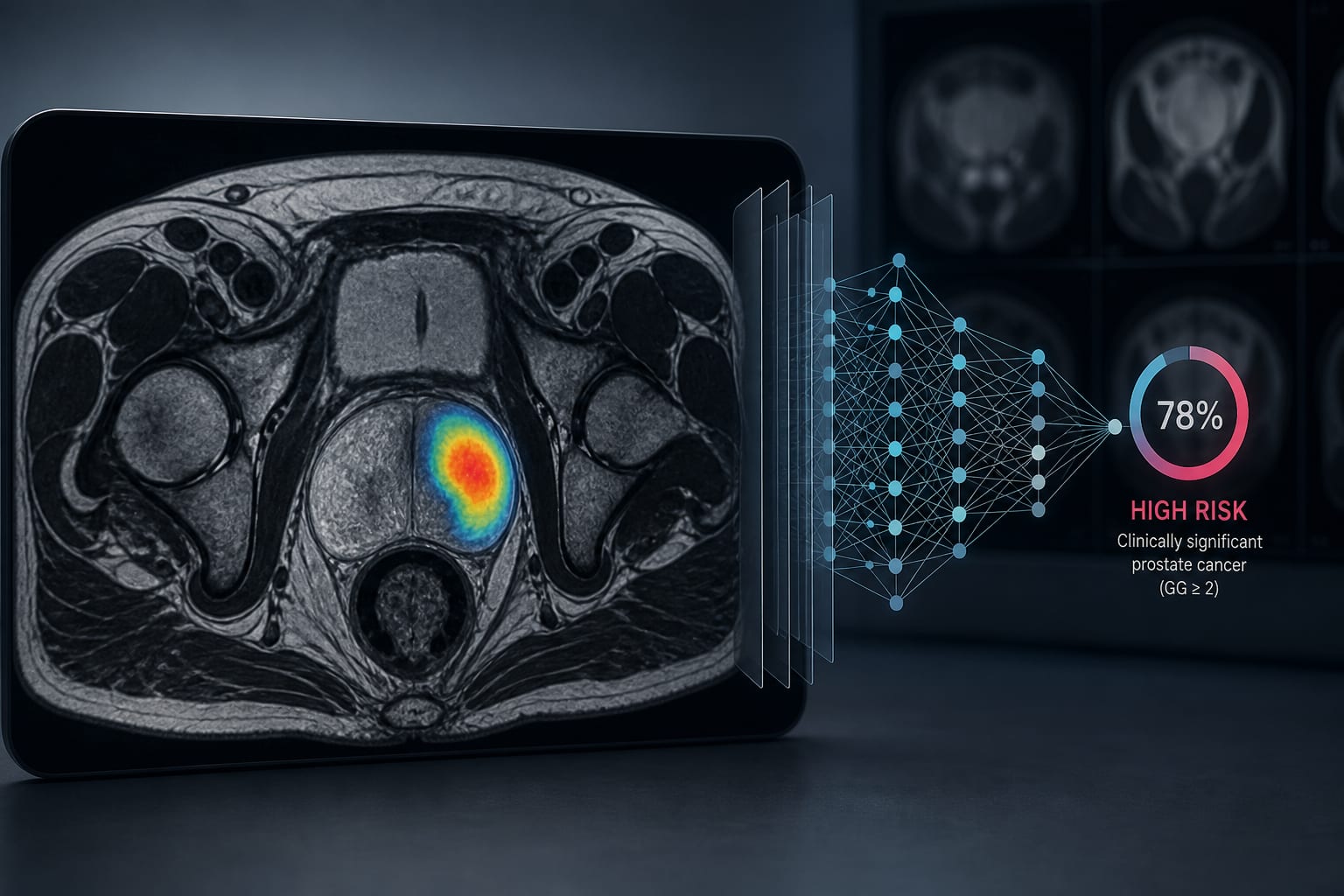
Clinical Report: How Companion Diagnostics Can Support Targeted Drug Launches
Overview
Companion diagnostics (CDx) are essential for identifying patients who will benefit from targeted therapies, yet their implementation in routine practice is often inconsistent. Barriers exist particularly in community settings, where access to advanced testing is limited.
Background
The integration of companion diagnostics into clinical pathways is critical for the success of precision medicine. Despite advancements in biomarker discovery and testing technologies, challenges remain in ensuring that these diagnostics are utilized effectively across various healthcare settings.
Data Highlights
No specific numerical data or trial data was provided in the source material.
Key Findings
Companion diagnostics identify patients most likely to benefit from targeted therapies.
Implementation challenges exist, particularly in community hospitals compared to academic centers.
Turnaround time for diagnostic results can delay treatment decisions.
Testing gaps persist even after guidelines and reimbursement pathways are established.
CDx strategies must consider specimen handling and testing workflows.
Clinical Implications
Healthcare providers must be aware of the barriers to implementing companion diagnostics in community settings.
Conclusion
The integration of companion diagnostics into clinical practice faces challenges that need to be addressed.