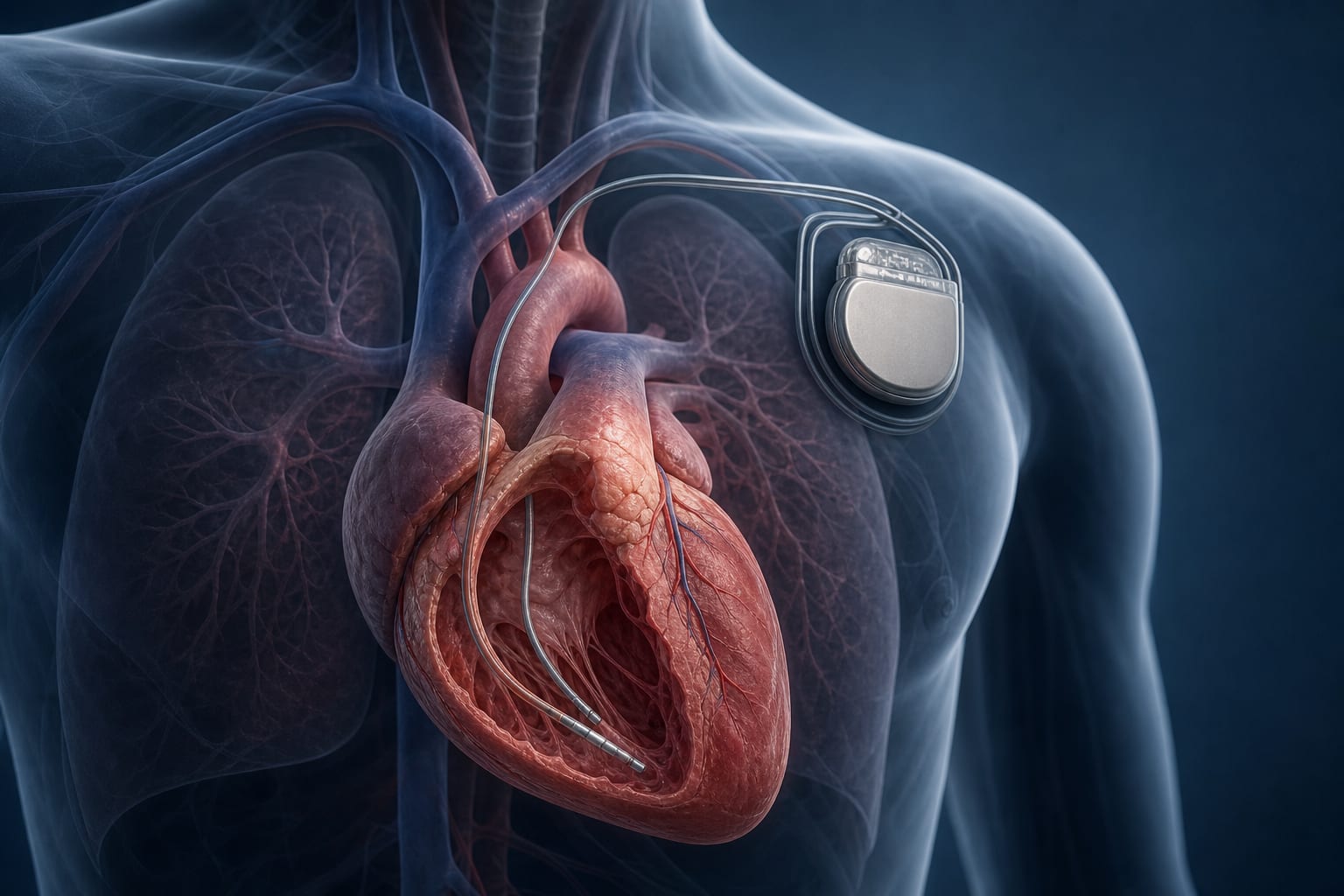
Clinical Report: Combining High-Fidelity hiPSC-Derived Cardiomyocytes with AI-Enhanced Modeling
Overview
This study presents a novel platform integrating high-purity hiPSC-derived cardiomyocytes with AI modeling to enhance the assessment of drug-induced proarrhythmic risks. The approach demonstrates improved predictive performance for cardiotoxicity by analyzing complex electrophysiological data.
Background
Drug-induced cardiotoxicity is a significant concern in drug development, often leading to late-stage clinical trial failures and market withdrawals. Traditional safety assessments, primarily focused on hERG channel blockade, lack predictive accuracy due to the complexity of cardiac repolarization and species-specific differences. The integration of hiPSC-derived cardiomyocytes and AI modeling represents a promising advancement in evaluating cardiac safety in a human-relevant context.
Data Highlights
No specific numerical data provided in the article.
Key Findings
High-purity ventricular-like hiPSC-CMs provide a more accurate model for assessing drug-induced cardiotoxicity.
AI-driven models can identify complex, non-linear relationships in electrophysiological data, enhancing predictive capabilities.
The study validated the predictive performance of the CiPA 28 reference compounds using the developed platform.
Long-term monitoring is essential for detecting time-dependent cardiotoxic effects often missed by conventional assays.
Integration of multiple biomarkers improves the understanding of cardiotoxicity mechanisms.
Clinical Implications
The findings underscore the importance of utilizing hiPSC-derived cardiomyocytes in drug safety assessments to better predict proarrhythmic risks. Clinicians and researchers should consider integrating AI modeling into their evaluation processes to enhance the reliability of cardiotoxicity predictions.
Conclusion
The integration of high-fidelity hiPSC-derived cardiomyocytes with AI-enhanced modeling represents a significant advancement in the assessment of drug-induced cardiotoxicity, potentially improving patient safety in clinical settings.