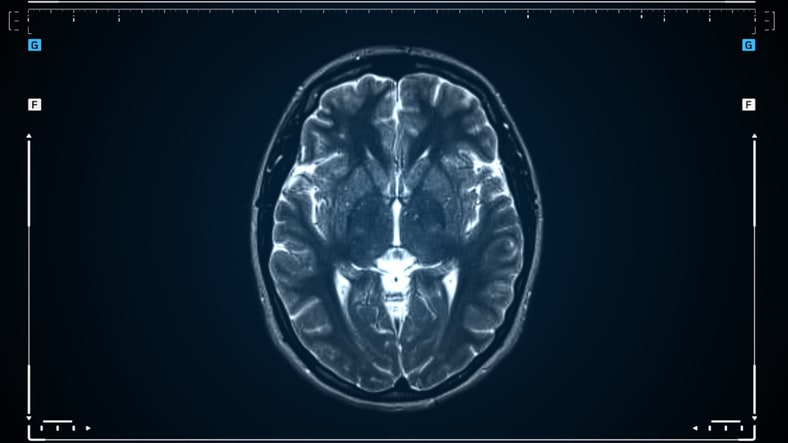
This report evaluates the persistent high utilization of cervical spine CT imaging despite established decision rules like NEXUS and CCR. It highlights the need for improved clinical documentation and the impact of structural and cultural factors on imaging practices.
Background
Cervical spine CT imaging is a critical tool in emergency medicine, particularly for blunt trauma cases. However, the low prevalence of clinically significant injuries detected through CT raises concerns about unnecessary radiation exposure, especially in younger patients. Understanding the barriers to effective implementation of decision rules is essential for optimizing imaging practices and patient safety.
Data Highlights
No numerical data presented in the article.
Key Findings
High cervical spine CT utilization persists despite validated decision rules like NEXUS and CCR.
CT findings in blunt trauma cases show a low diagnostic yield, often between 1% and 4%.
Patients with cognitive impairments or intoxication are frequently imaged despite being poor candidates for decision rules.
Radiologists face challenges due to unclear clinical documentation, impacting their ability to tailor interpretations.
Radiation exposure from cervical spine CT poses significant risks, particularly for younger patients.
Medicolegal concerns and local practice culture contribute to the over-reliance on imaging despite decision rule recommendations.
Clinical Implications
Healthcare professionals should be aware of the limitations of current decision rules and the factors influencing imaging practices. Improved clinical documentation and adherence to decision rules could reduce unnecessary imaging and associated radiation exposure, particularly in vulnerable populations.
Conclusion
The study underscores the need for a reevaluation of cervical spine CT utilization practices, emphasizing the importance of addressing structural and cultural barriers to optimize patient care and safety.