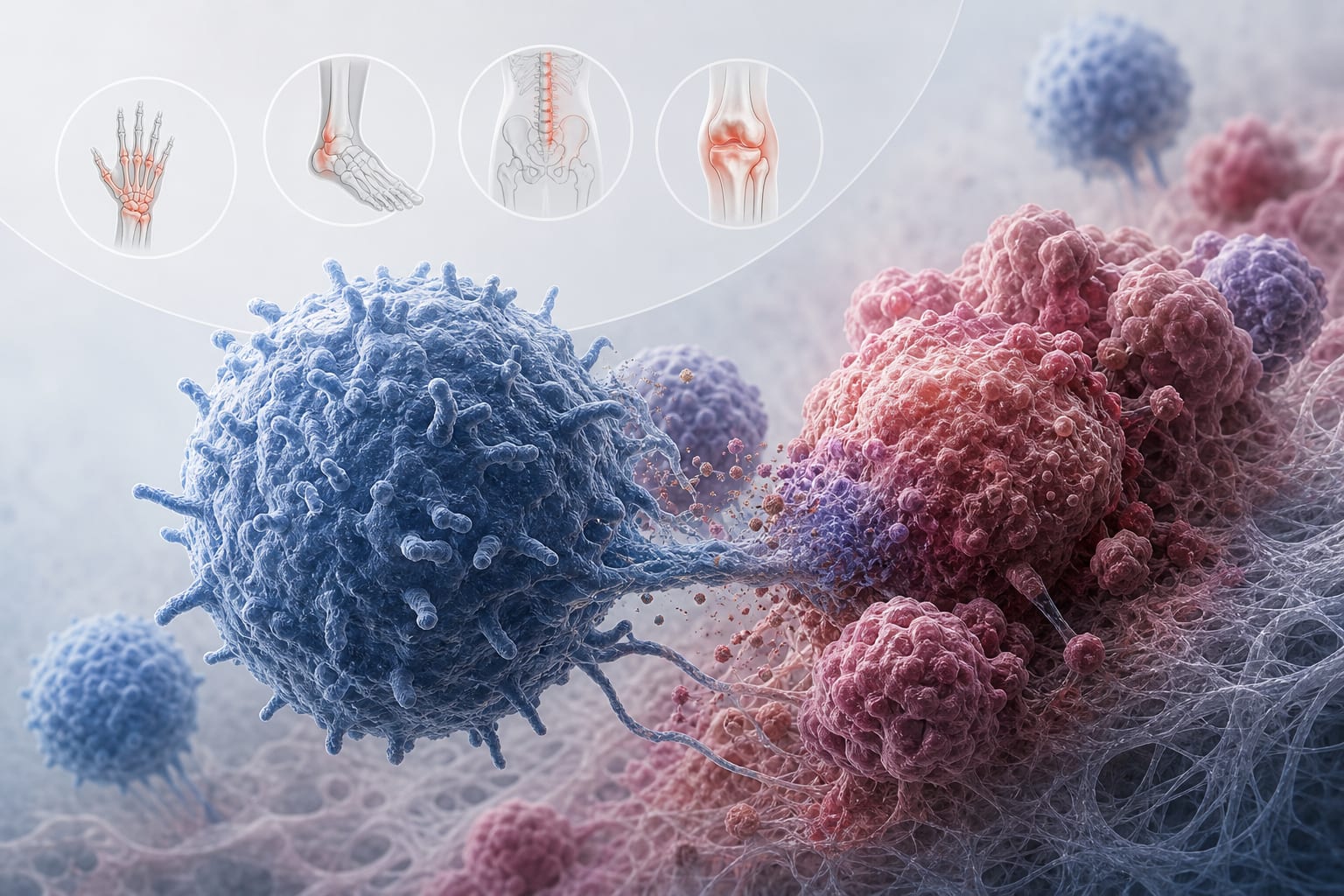
Clinical Report: In-depth Exploration of TGF-β Signaling Pathway
Overview
This report reviews the complex role of TGF-β signaling in immune regulation, fibrosis, and tumor progression. It highlights recent advancements in therapeutic strategies targeting TGF-β and discusses the challenges faced in clinical applications.
Background
TGF-β is a pivotal cytokine in the immune system, influencing cell differentiation, immune tolerance, and tissue repair. Its dysregulation is implicated in various diseases, including fibrosis and cancer, making it a critical target for therapeutic intervention. Understanding TGF-β signaling pathways is essential for developing effective treatments for immune-related diseases.
Data Highlights
No numerical data available in the source material.
Key Findings
TGF-β signaling is context-dependent, regulating immune cell differentiation and function.
In normal physiology, TGF-β promotes immune tolerance and tissue repair.
Aberrant TGF-β signaling contributes to fibrosis and tumor immune evasion.
Recent technologies have enhanced understanding of TGF-β's role in various microenvironments.
Therapeutic strategies targeting TGF-β face challenges such as toxicity and disease stage dependence.
Clinical Implications
Clinicians should consider the dual role of TGF-β in both promoting and inhibiting immune responses when developing treatment plans. Ongoing research into TGF-β-targeted therapies may provide new avenues for managing fibrotic diseases and cancers.
Conclusion
The intricate mechanisms of TGF-β signaling present both opportunities and challenges for clinical application. Continued exploration of this pathway is essential for advancing therapeutic strategies in immune-related diseases.