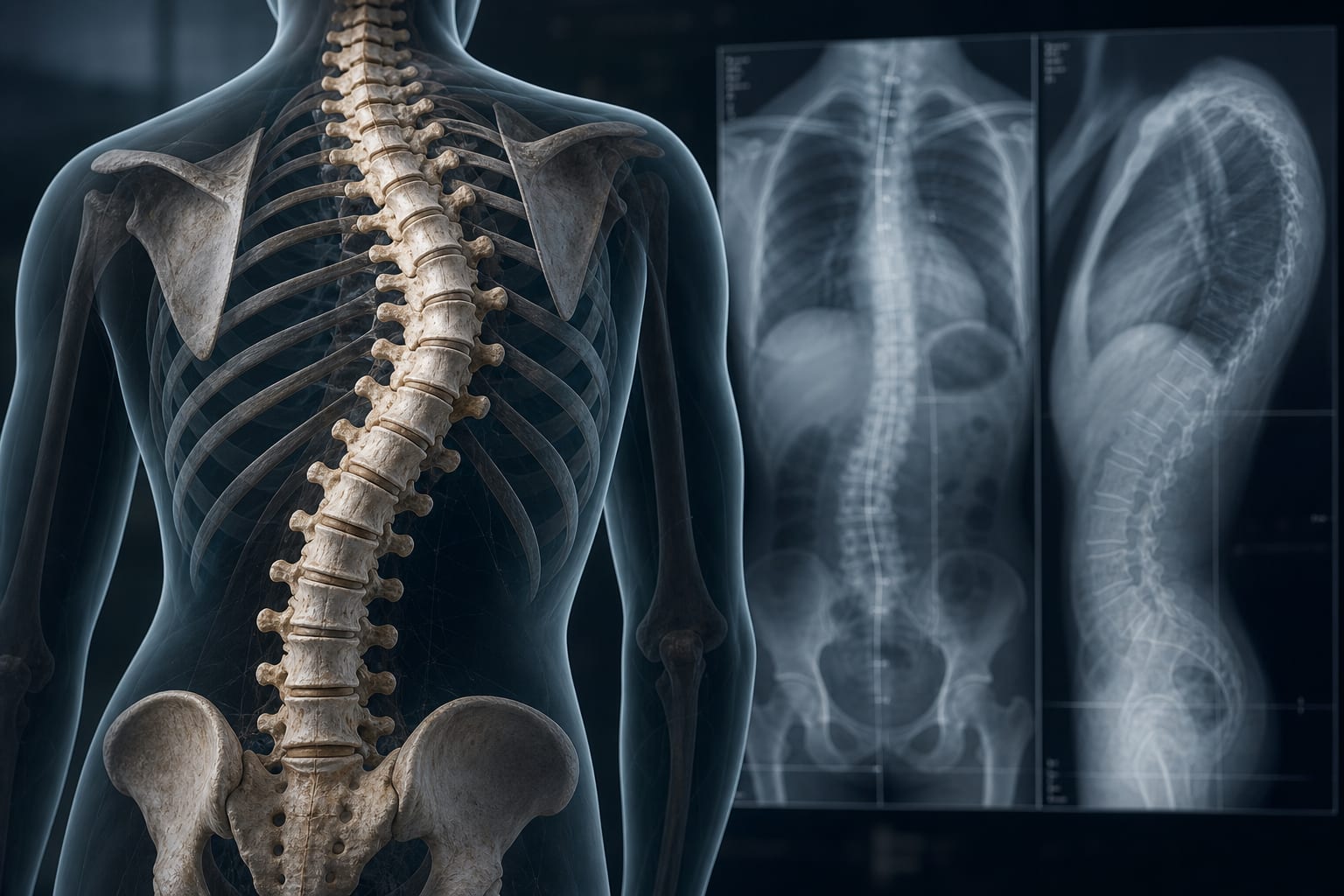
This narrative review addresses the complexities of managing Adult Degenerative Scoliosis (ADS), focusing on diagnostic difficulties, pain management strategies, and surgical considerations.
Background
Adult Degenerative Scoliosis (ADS) is a progressive spinal deformity that significantly impacts the aging population, leading to pain and disability. The condition is characterized by degenerative changes in the spine, complicating diagnosis and treatment.
Data Highlights
No numerical data available in the source material.
Key Findings
ADS is defined by a coronal Cobb angle greater than 10° and associated degenerative features.
The prevalence of ADS increases with age, impacting mobility and quality of life.
Diagnostic challenges arise from symptom overlap with other degenerative conditions.
Management strategies must address both mechanical and neurogenic pain phenotypes.
Surgical options range from decompression to extensive fusion, with varying complication risks.
Clinical Implications
Clinicians should prioritize accurate diagnostic assessments and consider the complex interplay of symptoms in ADS patients.
Conclusion
Effective management of ADS requires a comprehensive understanding of its complexities and a commitment to individualized patient care.