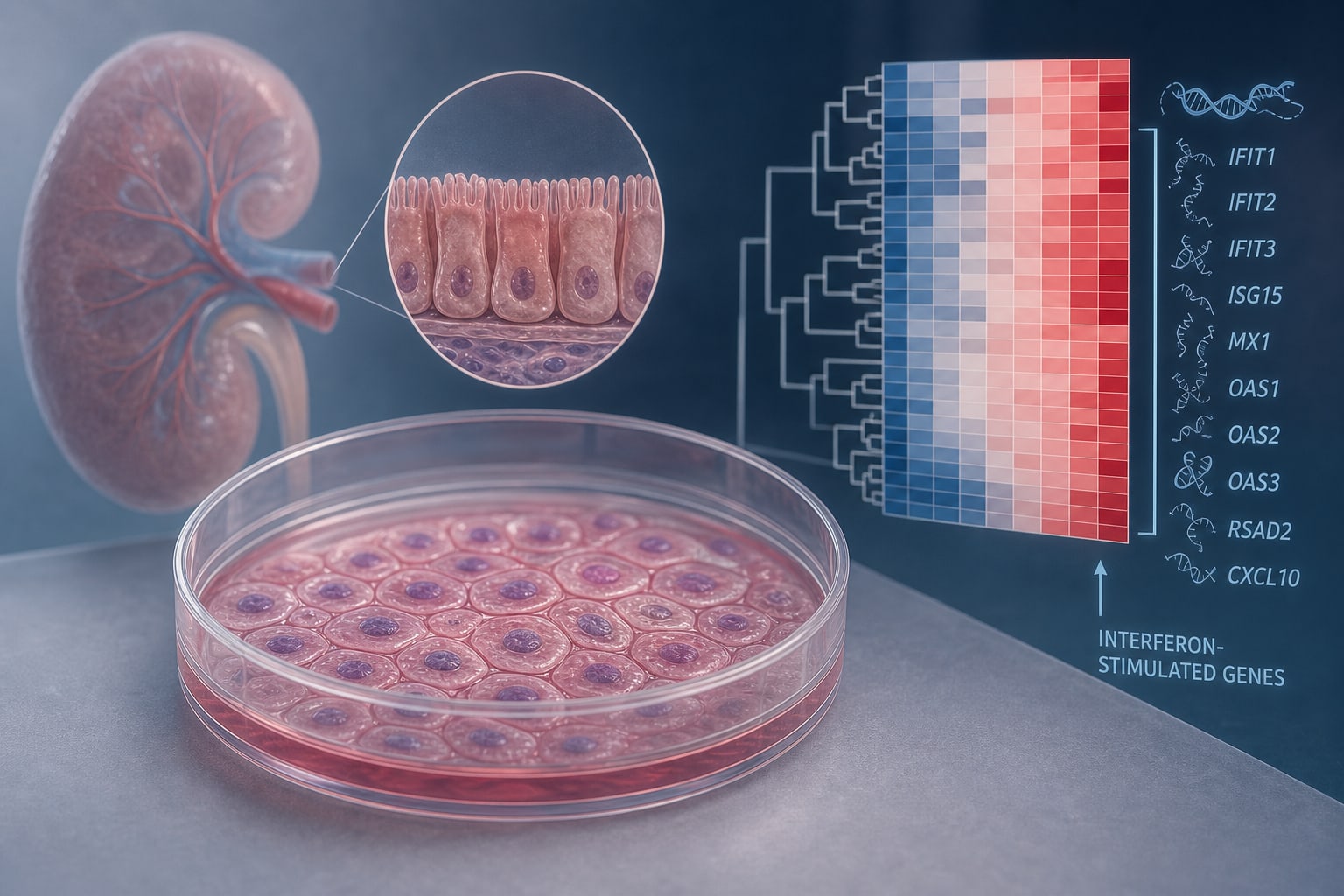
This study investigates the transcriptional responses of human renal proximal tubular cells to repeated exposure to aminoglycosides, specifically gentamicin and tobramycin.
Background
Aminoglycosides are widely used antibiotics known for their effectiveness against various infections but are associated with significant nephrotoxicity. Understanding the mechanisms of aminoglycoside-induced renal injury is crucial.
Data Highlights
No specific numerical data or trial results were provided in the source material.
Key Findings
Repeated exposure to gentamicin and tobramycin induces a common transcriptional injury program in human proximal tubular cells.
Different in vitro renal models exhibit varying levels of physiological relevance and practicality for studying aminoglycoside nephrotoxicity.
Transcriptomics reveals compound-specific, model-specific, and donor-specific response signatures related to aminoglycoside exposure.
The study highlights the role of megalin in the cellular uptake of aminoglycosides.
Critically ill patients are at increased risk of developing aminoglycoside-induced acute kidney dysfunction.
Clinical Implications
The findings emphasize the importance of selecting appropriate in vitro models for studying nephrotoxicity, which can inform future research and therapeutic strategies. Clinicians should remain vigilant regarding the risk of renal injury in patients receiving aminoglycosides, particularly in critically ill populations.
Conclusion
This study enhances the understanding of aminoglycoside nephrotoxicity.