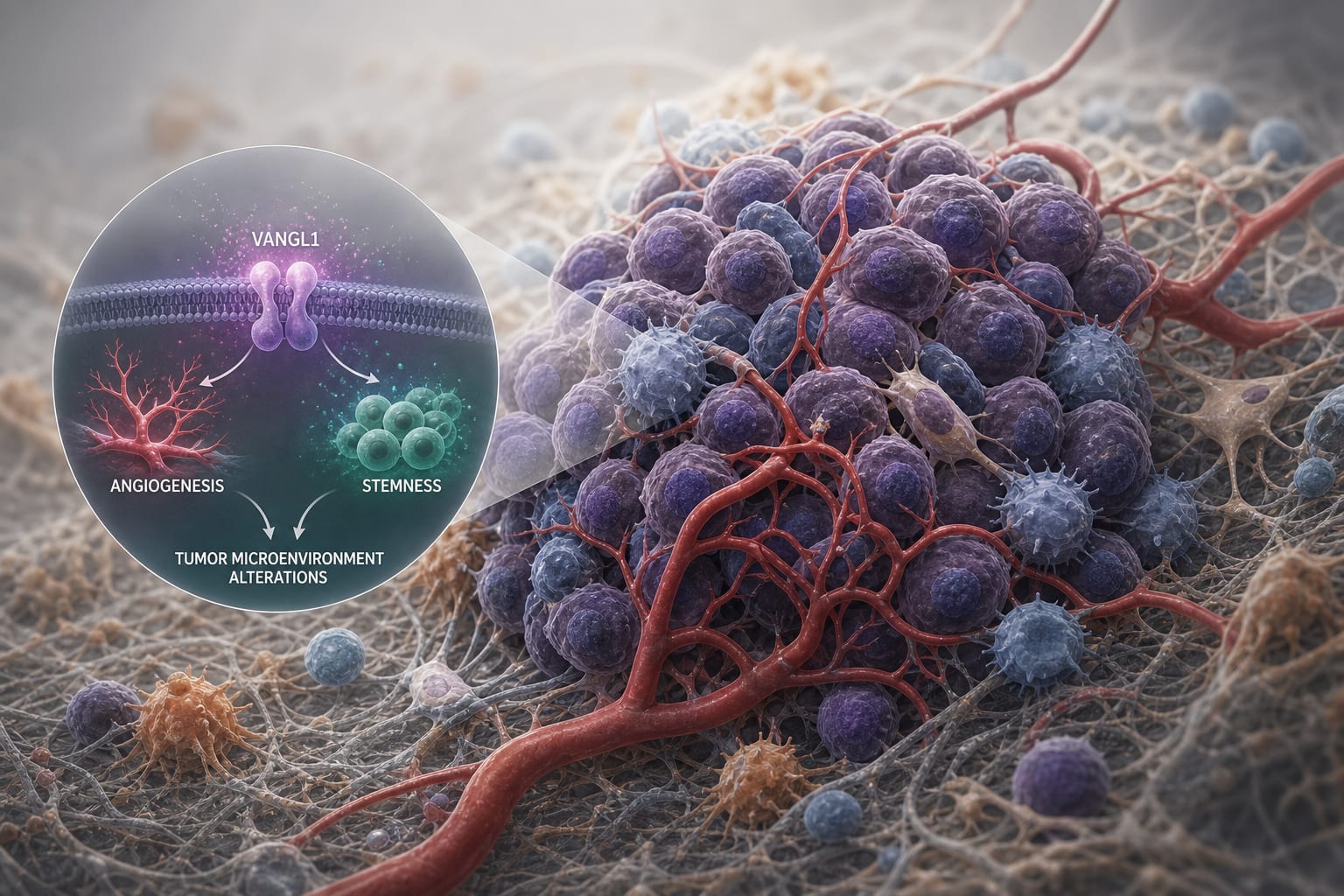
Clinical Report: Utilizing Vaccinia Virus in Lung Cancer Treatment
Overview
Vaccinia virus (VV) shows promise as a systemic immunotherapy for lung cancer, particularly in overcoming challenges associated with immune suppression and tumor resistance. Preclinical studies indicate that VV can reshape the tumor microenvironment and enhance immune responses, potentially improving treatment outcomes.
Background
Lung cancer remains the leading cause of cancer-related mortality globally, with limited effective long-term treatment options. Current therapies, including targeted drugs and immune checkpoint inhibitors, often yield modest survival benefits. The exploration of oncolytic viruses like vaccinia virus offers a novel approach to not only directly kill tumor cells but also to enhance the immune response against lung cancer.
Data Highlights
No numerical data available in the source material.
Key Findings
Vaccinia virus can selectively kill tumor cells while activating antitumor immunity.
Specific strains of VV can modulate immunity in lung cancer models, enhancing therapeutic relevance.
Challenges include inefficient systemic delivery and rapid immunosuppressive feedback within tumors.
Early clinical data in non-small cell lung cancer (NSCLC) show promising results but highlight the need for further optimization.
Clinical Implications
The potential of vaccinia virus as a systemic immunotherapy underscores the need for innovative strategies to enhance immune responses in lung cancer. Clinicians should consider the evolving landscape of oncolytic virus therapies and their combination with existing immunotherapies in clinical trial settings.
Conclusion
Vaccinia virus represents a promising avenue for lung cancer treatment, with the potential to improve immune activation and therapeutic outcomes. Continued research and clinical trials are essential to address current challenges and establish VV as a viable treatment option.