Analysis of the correlation between the degree of sleepiness and the therapeutic effect in patients with insomnia disorder treated with digital cognitive behavioral therapy - Report - MDSpire
Conexiant’s news site is now MDSpire News. Learn more
Advertisement
Investigation of the Relationship Between Sleepiness Levels and Treatment Outcomes in Insomnia Patients Undergoing Digital Cognitive Behavioral Therapy
Clinical Report: Investigation of Sleepiness Levels in Insomnia Patients Undergoing dCBT-I
Overview
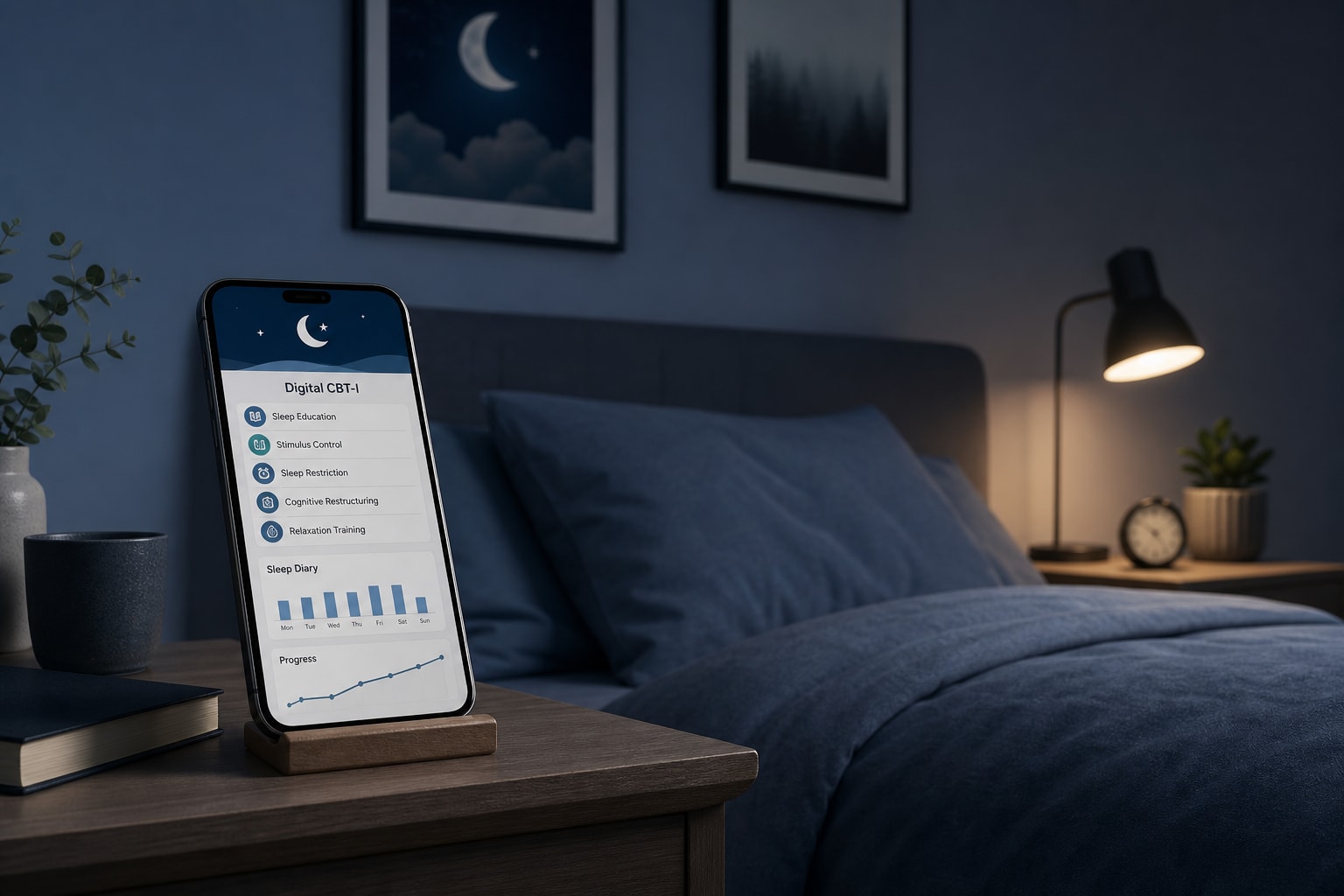
This study investigates the relationship between daytime sleepiness and treatment outcomes in insomnia patients undergoing digital cognitive behavioral therapy (dCBT-I).
Background
Insomnia is a prevalent sleep disorder that significantly impacts daily functioning and quality of life. Traditional treatments, including pharmacotherapy and cognitive behavioral therapy for insomnia (CBT-I), have limitations, prompting interest in digital CBT-I (dCBT-I) as an effective alternative. Understanding factors influencing treatment outcomes, such as daytime sleepiness, is crucial for optimizing insomnia management.
Data Highlights
Assessment
Week 2 ESS Score
PSQI Reduction Rate
Peak ESS Score
Increased
Higher at Weeks 4, 8, 12, 16
Key Findings
Daytime sleepiness, measured by the Epworth Sleepiness Scale (ESS), peaked at week 2 of dCBT-I treatment.
Factors influencing daytime sleepiness included sex, medication use, snoring, and baseline ESS scores.
Patients with increased sleepiness at week 2 showed greater reductions in Pittsburgh Sleep Quality Index (PSQI) scores at subsequent follow-ups.
Univariate and multivariable regression analyses indicated that early increased sleepiness independently predicted higher PSQI reductions at weeks 4, 8, 12, and 16.
Transient daytime sleepiness is common in the early stages of dCBT-I.
Clinical Implications
Clinicians should monitor daytime sleepiness in patients undergoing dCBT-I, as it may indicate treatment response. Understanding the factors contributing to sleepiness can help tailor interventions and improve adherence to therapy.
Conclusion
Increased daytime sleepiness during early dCBT-I may be a transient phenomenon that predicts better treatment outcomes, highlighting the need for careful assessment and management in insomnia patients.