Clinical Report: Cardiac Activity May Inhibit Cancer Development
Overview
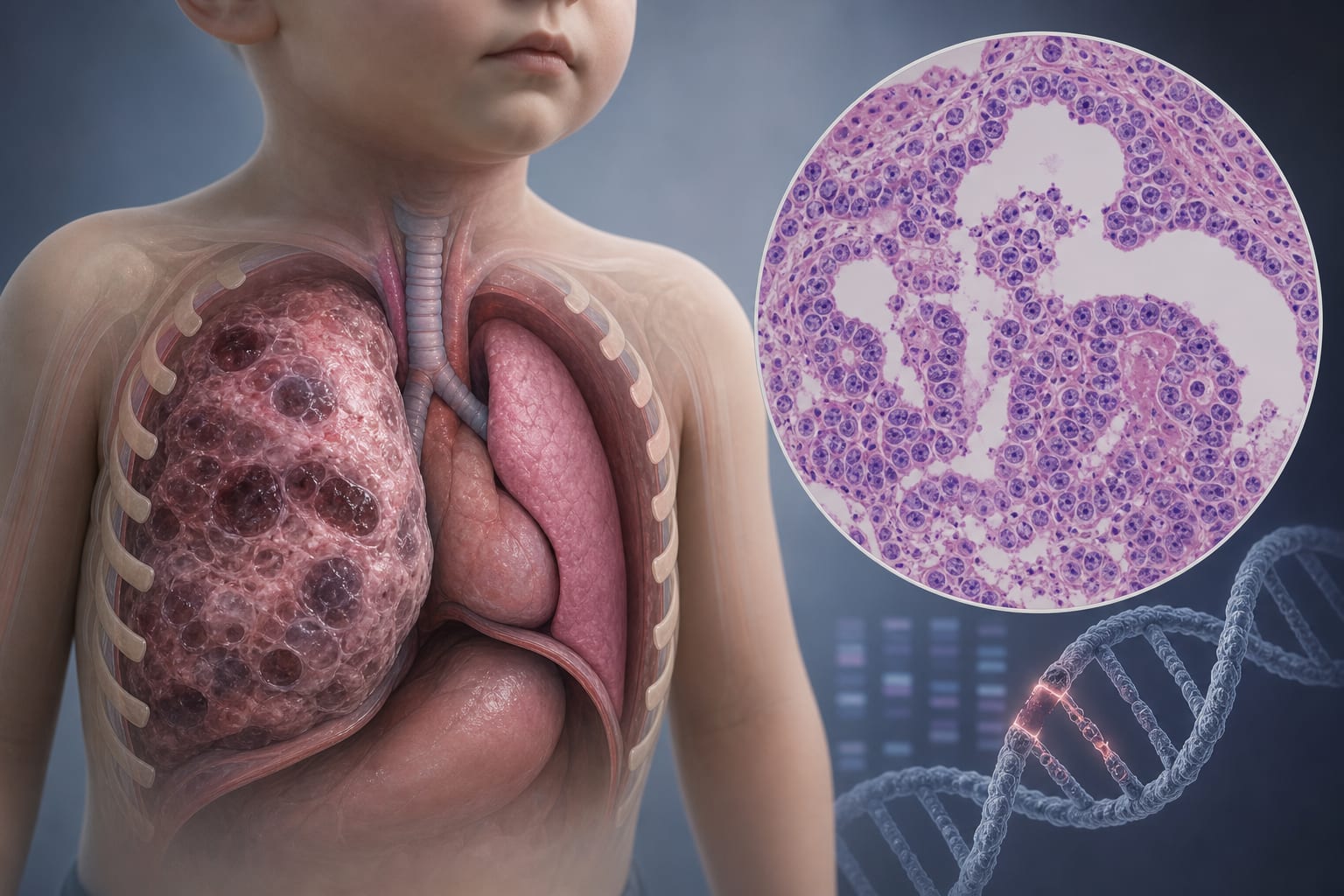
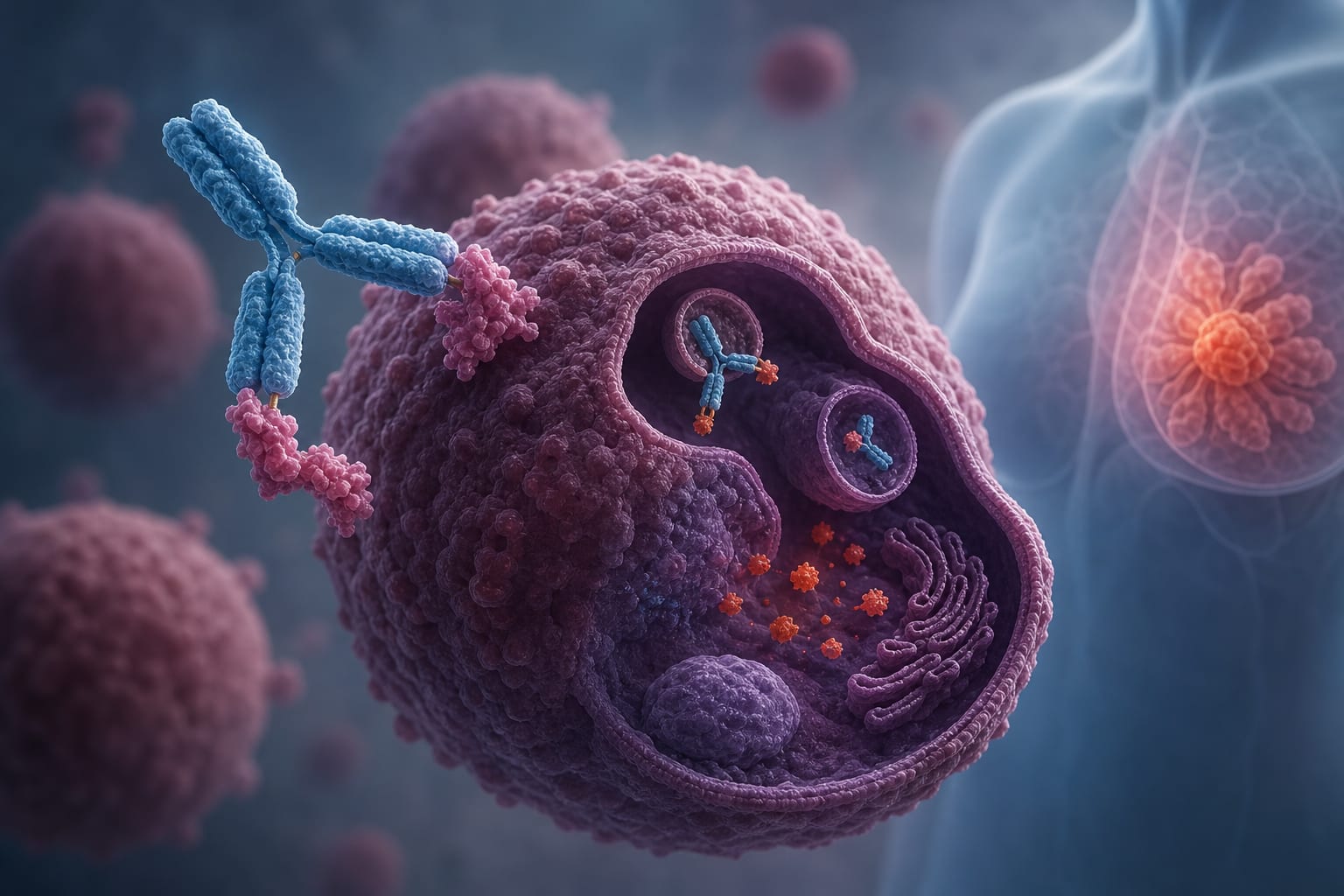
A recent study suggests that the mechanical stress from cardiac activity may create an inhospitable environment for cancer cells, potentially explaining the rarity of cancer in the heart. Researchers found that cancer spread more rapidly in a transplanted heart under less stress compared to the native heart, indicating a link between mechanical load and cancer proliferation.
Background
Heart disease and cancer are leading causes of mortality in the United States, yet cancer rarely affects the heart. Understanding the mechanisms behind this phenomenon could lead to novel cancer treatment strategies. The study provides insights into how mechanical forces may influence cancer cell behavior, opening avenues for further research and therapeutic development.
Data Highlights
Detail the experimental design, including the number of mice used and the duration of the study.
Key Findings
Rephrase findings for clarity and ensure they align with the original study's conclusions.
Clinical Implications
Suggest specific types of devices or methods that could be explored based on the study's findings.
Conclusion
The findings from this study highlight a novel connection between cardiac activity and cancer suppression, suggesting new directions for research and treatment in oncology. Further studies are warranted to explore the clinical applications of these insights.