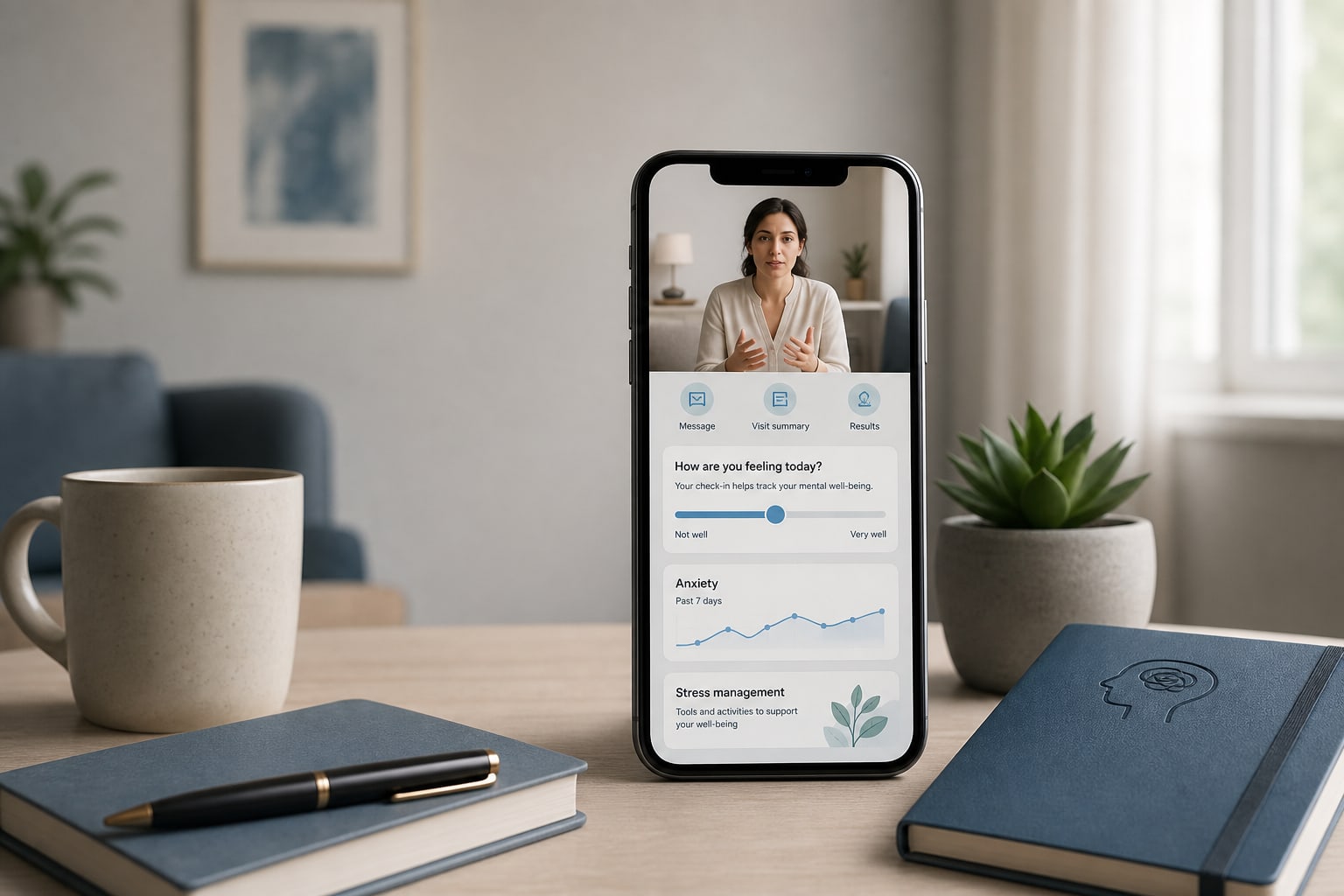
Clinical Report: Digital Health Engagement and Its Impact on Psychological Distress
Overview
This study evaluates the association between digital health engagement behaviors and psychological distress in adult populations using data from the Health Information National Trends Survey (HINTS).
Background
Digital technologies are increasingly integrated into healthcare, enhancing patient access to information and communication with clinicians. Understanding the psychological context of digital engagement is crucial, as it may indicate underlying issues such as anxiety or health-related uncertainty. This study addresses the relationship between digital engagement intensity and psychological distress.
Data Highlights
The study analyzed data from 23,682 respondents from the HINTS survey, focusing on the relationship between digital health engagement and psychological distress.
Key Findings
Digital engagement metrics may reflect psychological states, including anxiety and reassurance-seeking.
Higher digital engagement is associated with increased psychological distress, as measured by the PHQ-4.
The study utilized a nationally representative sample of noninstitutionalized US adults aged 18 and older.
Data were pooled from multiple cycles of the HINTS survey conducted between 2017 and 2024.
Psychological distress was assessed using a validated screening instrument measuring anxiety and depression symptoms.
Clinical Implications
Healthcare professionals should consider the psychological context of digital engagement when interpreting engagement metrics. Misinterpretation may lead to incorrect assumptions about patient activation and self-management.
Conclusion
The findings highlight the need for a nuanced understanding of digital health engagement, as it may serve as an indicator of psychological distress rather than solely a measure of patient activation.