Clinical Report: First-Year Medical Students' Views on a Tutorial Approach
Overview
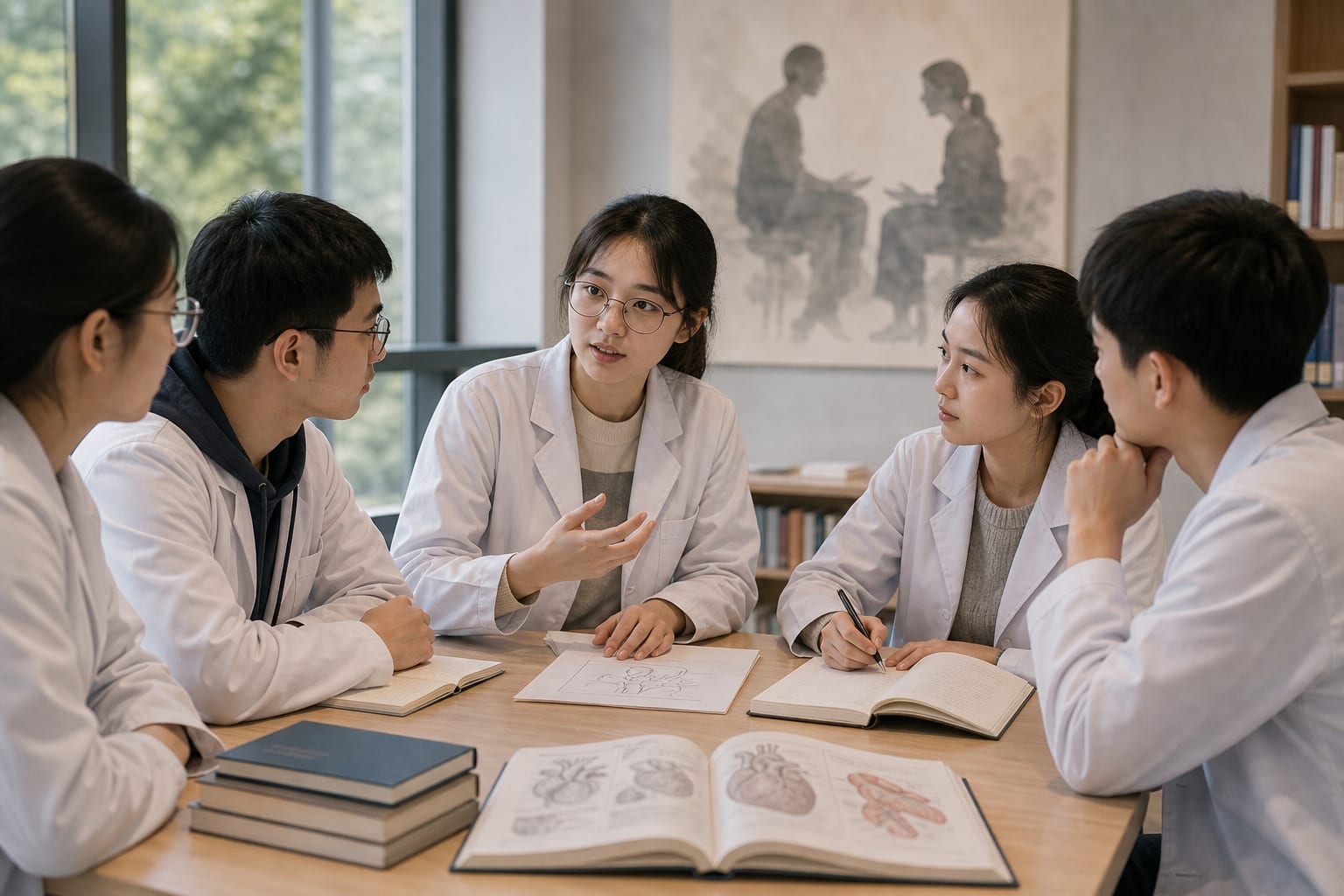
This study evaluates a tutorial-based model for integrating clinical skills and humanities in first-year medical students, revealing high adaptation and interest levels. Students reported significant improvements in communication and teamwork skills, highlighting the model's effectiveness.
Background
The integration of clinical skills and humanistic literacy is crucial in medical education to enhance patient care and satisfaction. Traditional educational models often separate these domains, leading to a gap in essential interpersonal skills. Innovative approaches like the tutorial method aim to bridge this divide, fostering both clinical competence and humanistic understanding from the outset of medical training.
Data Highlights
Finding
Percentage
Good adaptation to model
90.9%
Increased learning interest
88.0%
Improvement in patient communication
87.3%
Improvement in teamwork
85.1%
Key Findings
90.9% of students reported good adaptation to the tutorial model.
88.0% expressed increased interest in learning through this approach.
Male students showed significantly stronger agreement on the model's effectiveness (p < 0.05).
Key modules like 'Simulated Outpatient Role-Playing' were rated highly effective.
Challenges included time constraints and task integration difficulties.
Clinical Implications
The findings suggest that early integration of clinical skills and humanities through a tutorial approach can enhance medical students' competencies. This model may serve as a valuable framework for curriculum development aimed at improving both clinical and interpersonal skills in future healthcare professionals.
Conclusion
The tutorial-based model is a promising strategy for fostering clinical-humanities integration in medical education, with significant potential for broader implementation. Its positive reception among students underscores the need for continued innovation in medical training methodologies.