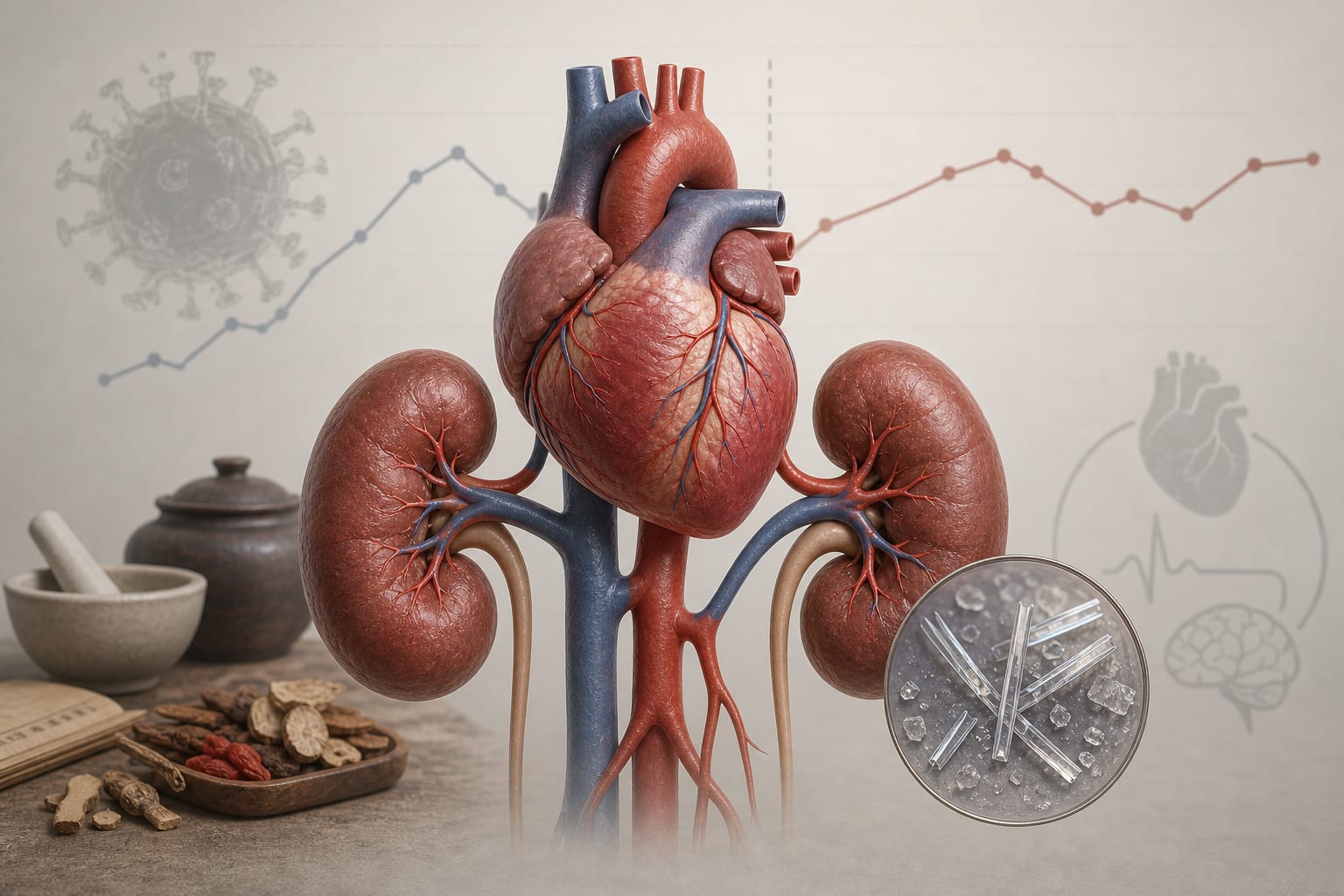
Timing of Ablation in ECMO-Supported Electrical Storm: A One-Size-Fits-All Approach is Inadequate for Different Substrates
Overview
Revise to clarify that while early ablation may improve ECMO weaning rates, it does not enhance survival, especially in AMI cases.
Background
Ventricular arrhythmias (VAs) in the context of electrical storm (ES) can lead to refractory cardiogenic shock, necessitating advanced interventions like veno-arterial extracorporeal membrane oxygenation (VA-ECMO). Understanding the timing and efficacy of ablation in this setting is crucial, as it may significantly impact patient outcomes. The interplay between arrhythmia etiology and ablation success underscores the need for tailored therapeutic strategies.
Data Highlights
No numerical data available in the provided context.
Key Findings
VA ablation under VA-ECMO is associated with higher rates of successful ECMO weaning.
56% of patients had acute myocardial infarction-related ES, which presents a dynamic arrhythmogenic substrate.
Ablation did not independently improve 60-day survival rates (HR 1.41, 95% CI 0.79–2.55; p = 0.24).
Major procedural complications were reported at a rate of 18.4%, which is higher than standard VT ablation series.
Etiology-specific benefits of ablation were noted, particularly in patients with heart failure with reduced ejection fraction (HFrEF).
Early ablation may specifically benefit patients where arrhythmia is the primary hemodynamic driver.
Clinical Implications
Clinicians should consider the underlying etiology of electrical storm when deciding on the timing of ablation in patients supported by VA-ECMO. The high complication rate associated with ablation, particularly in acute myocardial infarction cases, necessitates a careful risk-benefit analysis before proceeding with the intervention.
Conclusion
Strengthen the conclusion to emphasize the necessity of etiology-stratified management.