Six-session non-operative exercise program yields sustained benefits for up to 18 months in end-stage knee osteoarthritis: a retrospective cohort study - Report - MDSpire
Advertisement
Six-session non-operative exercise program yields sustained benefits for up to 18 months in end-stage knee osteoarthritis: a retrospective cohort study
Clinical Report: Non-Surgical Exercise Regimen for Knee Osteoarthritis
Overview
A six-session non-surgical exercise regimen significantly improved symptoms and functional outcomes in patients with advanced knee osteoarthritis for up to 18 months.
Background
Knee osteoarthritis (OA) is a prevalent degenerative joint disease affecting millions globally, particularly among older adults. The increasing incidence of OA has led to longer waiting times for total knee replacement (TKR) surgeries, emphasizing the need for effective non-surgical management strategies. Exercise therapy is recommended as a first-line treatment to enhance muscle strength, reduce pain, and improve overall function in knee OA patients.
Data Highlights
No numerical data provided in the source material.
Key Findings
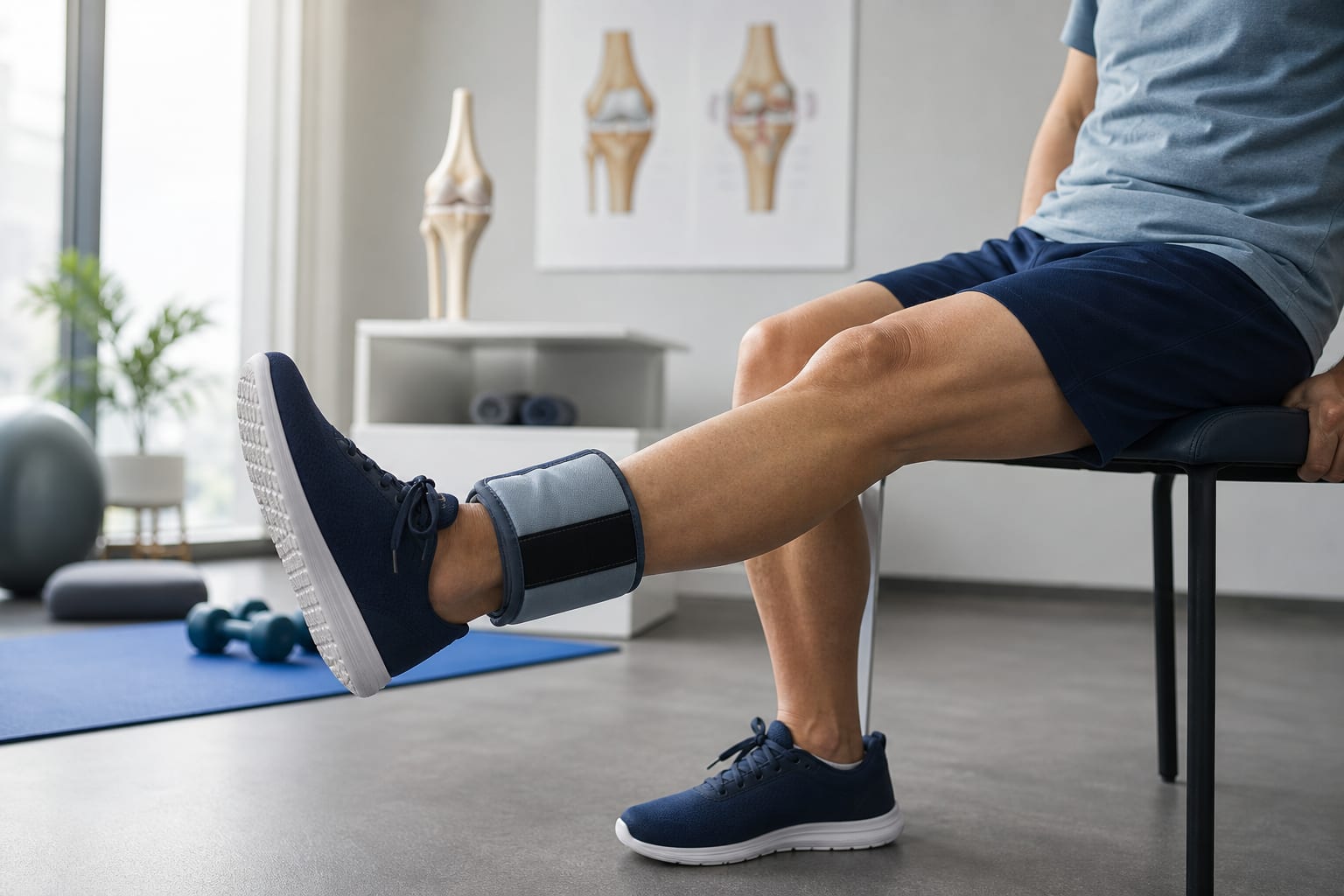
The Structured Non-Operative Treatment Program (SNTP) included six supervised exercise and education sessions over one year.
2243 patients with end-stage knee OA participated in the SNTP.
Longitudinal assessments indicated sustained improvements in symptoms and function for up to 18 months post-intervention.
Exercise therapy is emphasized as a critical component in delaying surgical interventions for knee OA.
Structured patient education and neuromuscular training support long-term improvements in physical function.
Clinical Implications
Healthcare providers may consider the findings of this study when evaluating non-surgical management strategies for knee OA.
Conclusion
This study demonstrates that a non-surgical exercise regimen can lead to significant and lasting improvements in patients with advanced knee osteoarthritis, highlighting the importance of such interventions in clinical practice.
by Wing Yip Lee, Linda Man Kuen Li, Naomi Cheuk Ying Chen, Chloe Sze Man Leung, Alan Yin Chung Tsui, Xueyou Zhang, Mingde Cao, Patrick Shu-Hang Yung, Michael Tim-Yun Ong