Management of Recurrent Weight Gain After Sleeve Gastrectomy: Comparative Effectiveness of Conversion Procedures Versus Obesity Management Medications - Report - MDSpire
Advertisement
Management of Recurrent Weight Gain After Sleeve Gastrectomy: Comparative Effectiveness of Conversion Procedures Versus Obesity Management Medications
Clinical Report: Addressing Recurrent Weight Gain Following Sleeve Gastrectomy
Overview
This study compares long-term outcomes of pharmacological interventions and conversion surgeries for managing recurrent weight gain after sleeve gastrectomy (SG). It highlights the increasing role of obesity management medications (OMMs) as a potential first-line treatment before considering surgical options.
Background
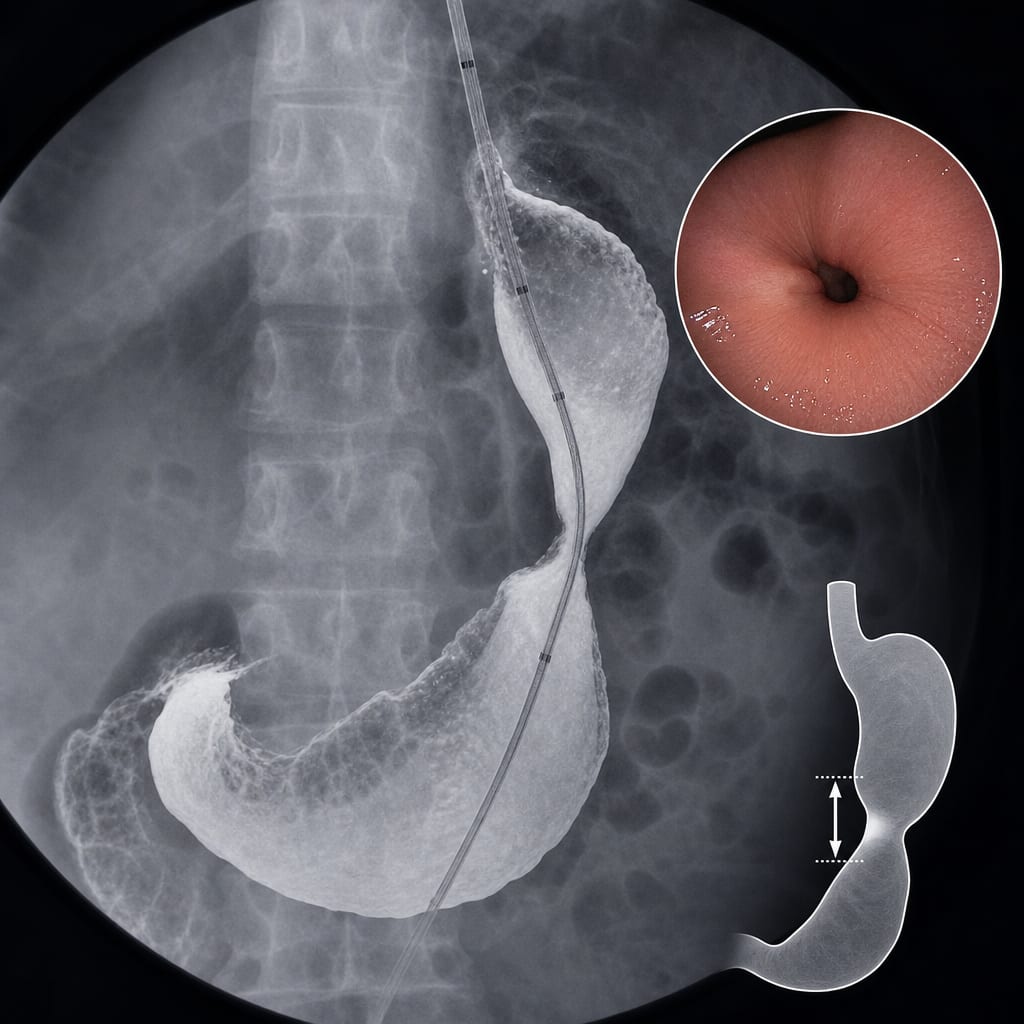
Recurrent weight gain after sleeve gastrectomy is a significant challenge, affecting 20-35% of patients. This issue necessitates effective management strategies to optimize weight control and minimize the need for more invasive procedures. Understanding the comparative effectiveness of OMMs and conversion surgeries is crucial for improving patient outcomes.
Data Highlights
This study is based on a retrospective analysis of a patient registry from a tertiary university hospital, focusing on patients with recurrent weight gain after SG.
Key Findings
Recurrent weight gain after SG occurs in 20-35% of patients, often leading to conversion surgeries.
Conversion procedures, such as Roux-en-Y gastric bypass (RYGB) and one-anastomosis gastric bypass (OAGB), are technically demanding and carry higher risks.
Obesity management medications (OMMs), particularly GLP-1 receptor agonists, have shown superior efficacy compared to earlier agents.
Current expert consensus supports a stepped-care approach, recommending OMM therapy before considering conversion surgery.
Limited data exists on the long-term outcomes of OMM therapy compared to conversion surgery following SG.
Clinical Implications
Healthcare providers should consider a multimodal approach for patients experiencing recurrent weight gain after SG, prioritizing OMMs as a first-line treatment. This strategy may help delay or prevent the need for more invasive surgical interventions.
Conclusion
The findings underscore the importance of evaluating both pharmacological and surgical options for managing recurrent weight gain after sleeve gastrectomy, promoting a patient-centered approach to obesity management.