Subclinical primary aldosteronism and major adverse cardiovascular events: evidence for a continuum of renin-independent aldosterone excess and a proposal for early detection - Report - MDSpire
Conexiant’s news site is now MDSpire News. Learn more
Advertisement
Subclinical Primary Aldosteronism and the Risk of Major Cardiovascular Events: Insights into the Spectrum of Renin-Independent Aldosterone Overproduction and Recommendations for Early Identification
Clinical Report: Subclinical Primary Aldosteronism and Cardiovascular Risk
Background
Primary aldosteronism (PA) is associated with a higher risk of cardiovascular complications compared to essential hypertension. Recent studies suggest that subclinical primary aldosteronism (sPA) exists on a continuum, affecting even normotensive individuals.
Data Highlights
Emerging evidence indicates that suppressed renin and elevated aldosterone levels correlate with increased cardiovascular events, even within normal ranges. Population-based data suggest a graded cardiovascular risk associated with sPA.
Key Findings
Subclinical primary aldosteronism (sPA) may represent an early cardiometabolic state linked to elevated MACE risk.
Suppressed renin and higher aldosterone levels are associated with incident hypertension and left ventricular hypertrophy.
Overt PA shows significantly higher rates of cardiovascular diseases compared to blood pressure-matched essential hypertension.
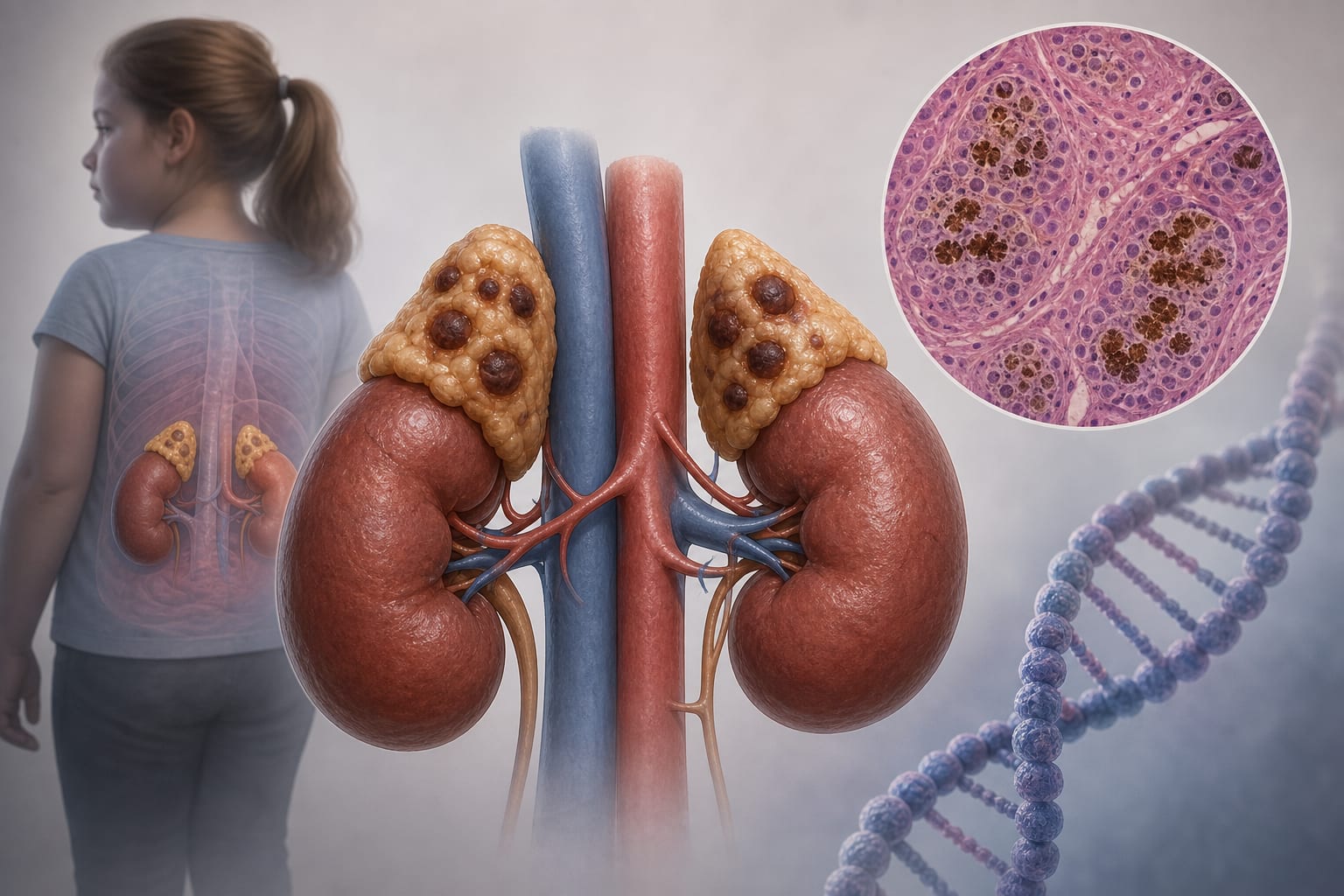
Histopathologic analyses reveal aldosterone-producing cell clusters in normotensive individuals, suggesting early autonomous secretion.
Current screening for PA is underutilized, with fewer than 2% of eligible patients evaluated in practice.
Clinical Implications
Healthcare professionals should consider screening for sPA in patients with hypertension to identify those at risk for cardiovascular events. Early intervention may be necessary to mitigate long-term cardiovascular harm.
Conclusion
The findings emphasize the importance of recognizing subclinical primary aldosteronism as a significant risk factor for cardiovascular events, warranting further research and prospective trials for effective management.
by Atef Akoum, Mounir Hakim, Rola Kwayess, Bahaa El Deen Wehbeh, Lina Alaaeddine, Mohamed Nasser El Shabrawi, Ashesh Das, Akshay Kumar, Sreekant Avula, Abdallah Rebeiz, Jason Li