Clinical Report: Regulating Autophagy in Gynecologic Cancer
Overview
This report examines the dual role of autophagy in gynecologic cancers, highlighting its influence on immune responses and treatment resistance. Key findings suggest that autophagy can both suppress tumor development and facilitate cancer progression, depending on the context.
Background
Gynecological cancers, including ovarian and cervical cancers, represent a significant public health challenge with rising incidence rates. Autophagy plays a critical role in cellular homeostasis and has been implicated in the progression and treatment resistance of these malignancies. Understanding the mechanisms of autophagy is essential for developing targeted therapies that can improve patient outcomes.
Data Highlights
No specific numerical data provided in the source material.
Key Findings
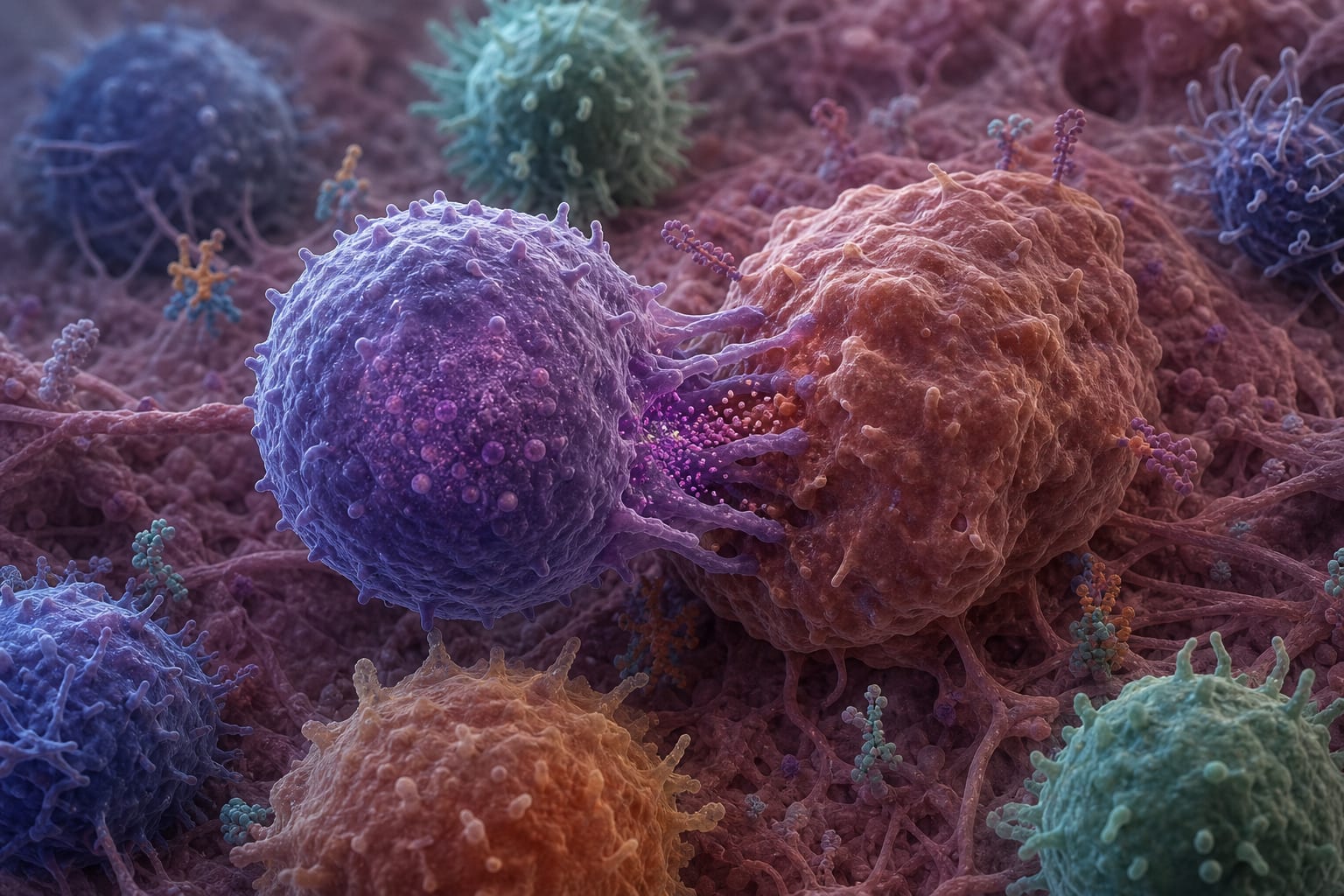
Autophagy regulates immune checkpoint expression, including PD-L1 and MHC-I.
It shapes antitumor immunity through T cells, macrophages, and other immune components.
Autophagy modulates drug resistance via pathways involving AMPK, HSF1, and ROS.
There is potential for autophagy to serve as a therapeutic target in gynecologic malignancies.
Combining autophagy modulators with conventional treatments may help overcome resistance.
Clinical Implications
The findings suggest that targeting autophagy could enhance the efficacy of existing treatments for gynecologic cancers. Further research is needed to explore the therapeutic potential of autophagy modulation in clinical settings.
Conclusion
Autophagy plays a complex role in gynecologic cancers, influencing both immune responses and treatment outcomes. Continued investigation into its mechanisms may lead to novel therapeutic strategies.