Wearable low-level laser therapy (laser acupuncture) versus manual acupuncture for chronic insomnia: protocol for a randomized, assessor-blinded, superiority trial - Report - MDSpire
Advertisement
Wearable low-level laser therapy (laser acupuncture) versus manual acupuncture for chronic insomnia: protocol for a randomized, assessor-blinded, superiority trial
Clinical Report: Comparative Study of Wearable LLLT and Manual Acupuncture for Insomnia
Overview
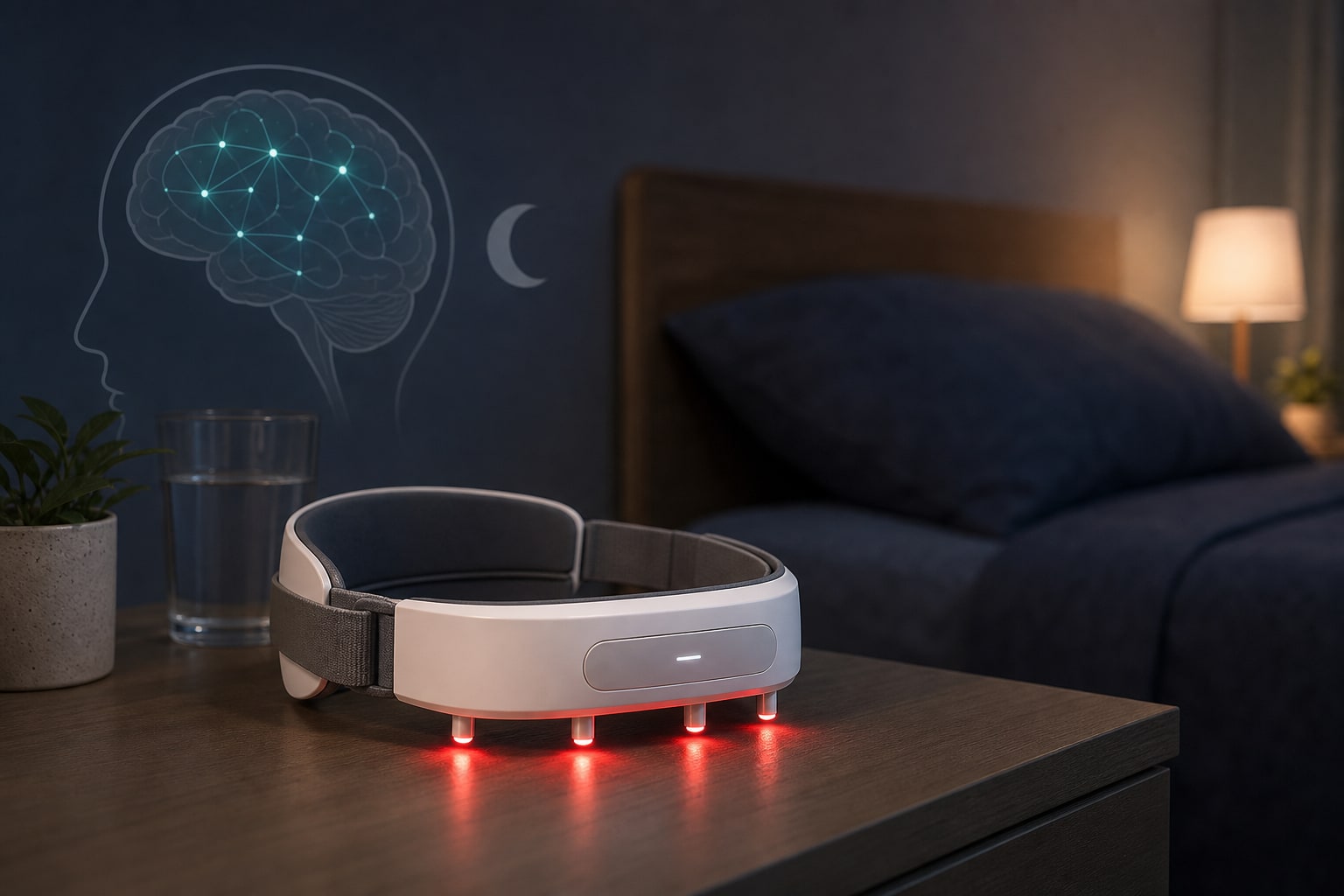
This study protocol outlines a randomized controlled trial comparing wearable low-level laser therapy (LLLT) to manual acupuncture for treating chronic insomnia. The trial aims to assess the efficacy and safety of both interventions in improving insomnia severity and related symptoms.
Background
Chronic insomnia affects a significant portion of the adult population, leading to impaired functioning and increased health risks. While cognitive behavioral therapy is the first-line treatment, access is often limited. Acupuncture has shown promise in treating insomnia, but its invasive nature and need for trained practitioners can be barriers to widespread use.
Data Highlights
Intervention
Duration
Frequency
Primary Outcome
Wearable LLLT
30 minutes
3 times/week
Change in ISI score
Manual Acupuncture
30 minutes
3 times/week
Change in ISI score
Key Findings
The trial will include 106 adults aged 18-65 with chronic insomnia.
Both interventions will target the same acupoints (HT7, PC6, SP6).
Primary outcome is the change in Insomnia Severity Index (ISI) score from baseline to week 2.
Secondary outcomes include sleep quality, fatigue, depressive symptoms, anxiety, and heart rate variability.
Results will be analyzed using intention-to-treat principles.
Clinical Implications
This trial may provide valuable insights into the effectiveness of LLLT as a non-invasive alternative to traditional acupuncture for chronic insomnia. If successful, it could enhance treatment accessibility for patients who struggle with insomnia.
Conclusion
The study aims to clarify the clinical value of wearable LLLT compared to manual acupuncture, potentially offering a less invasive option for managing chronic insomnia.