Clinical Report: Torsional Deformity Masquerading as Knee Instability
Overview
This report discusses a case of a 15-year-old girl with chronic knee pain attributed to lower extremity torsional abnormalities, despite normal imaging. Surgical intervention led to significant improvement in symptoms and function over a two-year follow-up period.
Background
Lower extremity torsional abnormalities (LETA) are often underrecognized causes of anterior knee pain and atypical gait patterns, particularly in adolescents. Accurate diagnosis is crucial, as traditional imaging may not reveal these deformities, leading to mismanagement. Understanding the role of torsional deformities can enhance treatment strategies and improve patient outcomes.
Data Highlights
No numerical data or trial data presented in the article.
Key Findings
A 15-year-old girl presented with chronic anterior knee pain and gait dysfunction.
Normal knee imaging failed to identify the underlying cause of her symptoms.
Computed tomography revealed significant femoral anteversion and external tibial torsion.
Three-dimensional gait analysis identified dynamic abnormalities not visible on static imaging.
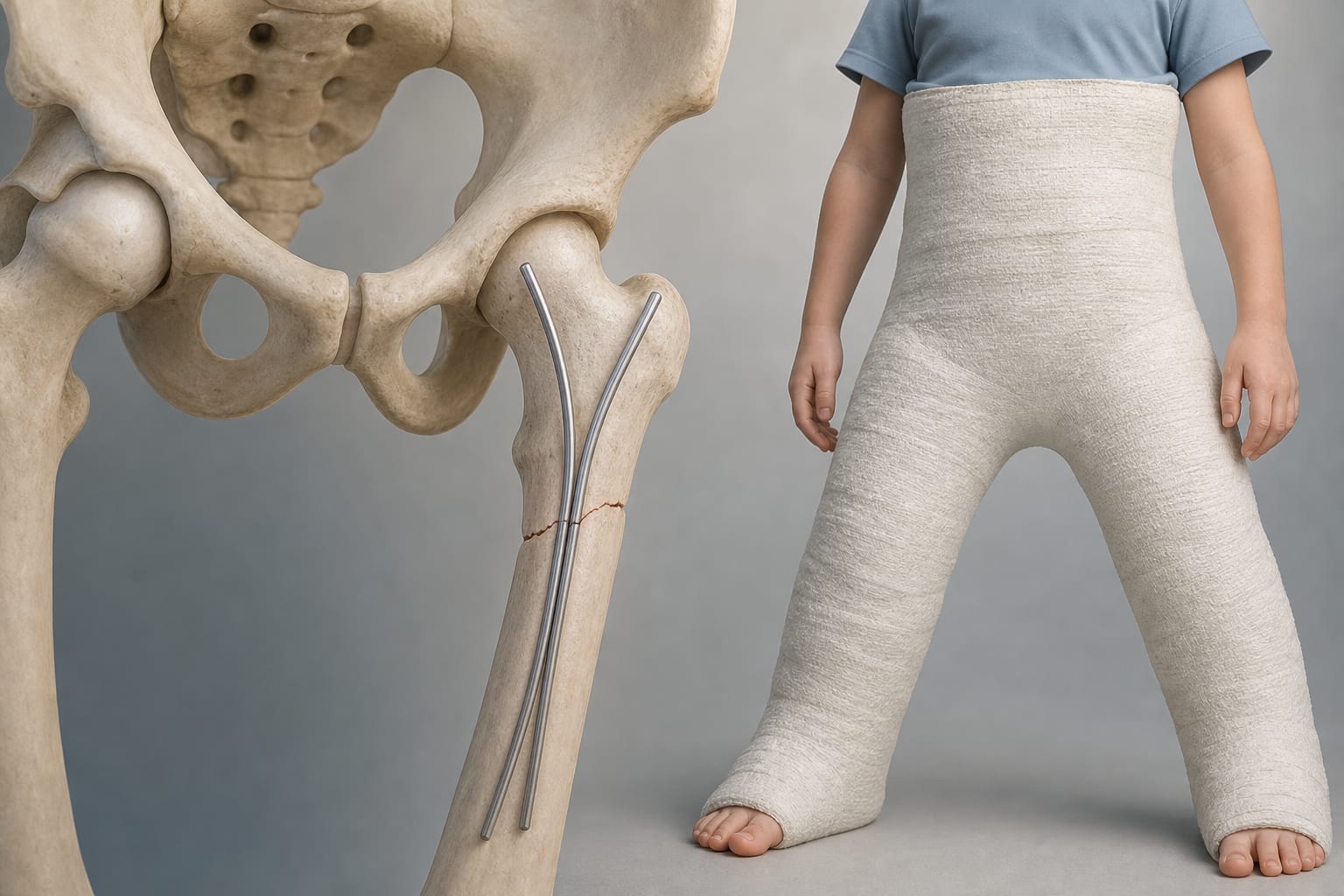
Combined femoral and tibial osteotomies resulted in resolution of pain and improved gait mechanics at two-year follow-up.
LETA should be considered in adolescents with anterior knee pain and normal intra-articular imaging.
Clinical Implications
Clinicians should maintain a high index of suspicion for torsional deformities in adolescents presenting with knee pain and atypical gait patterns. Comprehensive assessments, including rotational profiling and gait analysis, are essential for accurate diagnosis and effective treatment planning.
Conclusion
This case underscores the importance of recognizing lower extremity torsional abnormalities as a potential cause of knee instability and pain. Enhanced diagnostic approaches can lead to better management and improved outcomes for affected patients.