Clinical Report: Interpersonal Psychotherapy in Groups for Treating Depression
Overview
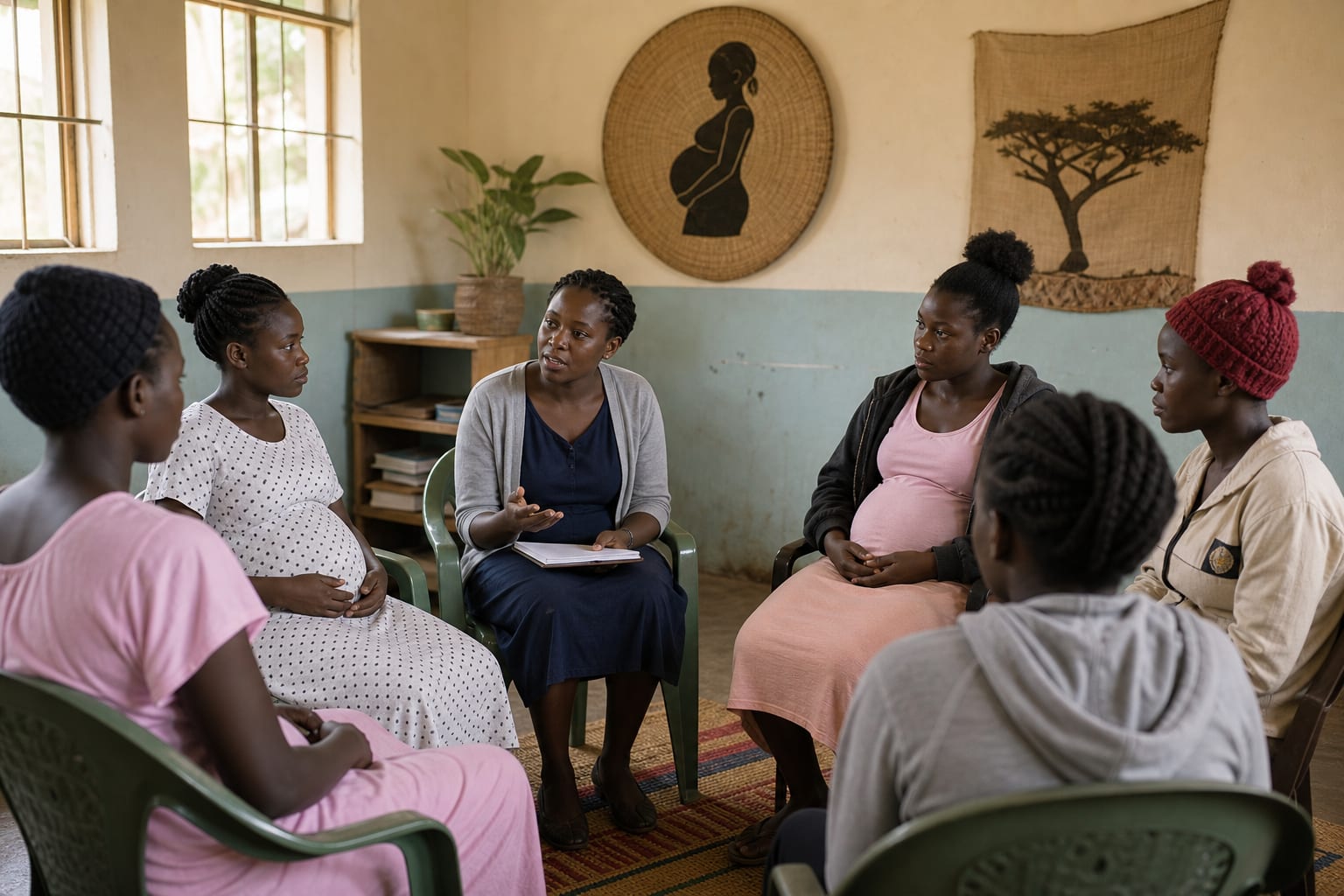
This pilot randomized study evaluates the feasibility and preliminary effectiveness of group interpersonal psychotherapy (IPT-G) for treating depression among perinatal adolescents in Kenya. The study compares a standard 8-session IPT-G with a condensed 4-session version against enhanced treatment as usual (TAU).
Background
Depressive disorders are a leading cause of mental disability among perinatal adolescents in Kenya, contributing to significant barriers in education and healthcare access. The World Health Organization emphasizes the need for integrated mental health services in primary health systems, particularly in low-resource settings. Group IPT-G offers a promising solution by enhancing peer support and reducing reliance on specialized health workers.
Data Highlights
No numerical data provided in the source material.
Key Findings
IPT-G can be effectively delivered by nonspecialist health workers, enhancing accessibility.
The study aims to determine if a condensed 4-session IPT-G can retain clinical benefits similar to the standard 8-session format.
Task-shifting approaches are critical for addressing mental health needs in low-resource settings.
Preliminary results suggest that most symptomatic improvement may occur in the initial sessions of therapy.
Mini IPT-G could serve as a scalable first-line treatment for mild to moderate depression in perinatal adolescents.
Clinical Implications
Healthcare providers should consider implementing IPT-G as a viable treatment option for perinatal adolescents experiencing depression. The potential for a shorter, condensed version of IPT-G may facilitate wider access to mental health care in low-resource settings.
Conclusion
The study highlights the importance of adapting psychological interventions to meet the needs of vulnerable populations. If successful, mini IPT-G could significantly improve access to evidence-based mental health care for perinatal adolescents in Kenya.
by Manasi Kumar, Albert Tele, Vincent Nyongesa, Obadia Yator, Shillah Mwaniga Mwavua, Joseph Kathono, Darius Nyamai, Angela Langat, Carol Ngunu, Anne Obondo, Keng Yen Huang, Caleb Othieno