Clinical Report: A Comprehensive Review of Penetrating Superior Sagittal Sinus Injuries
Overview
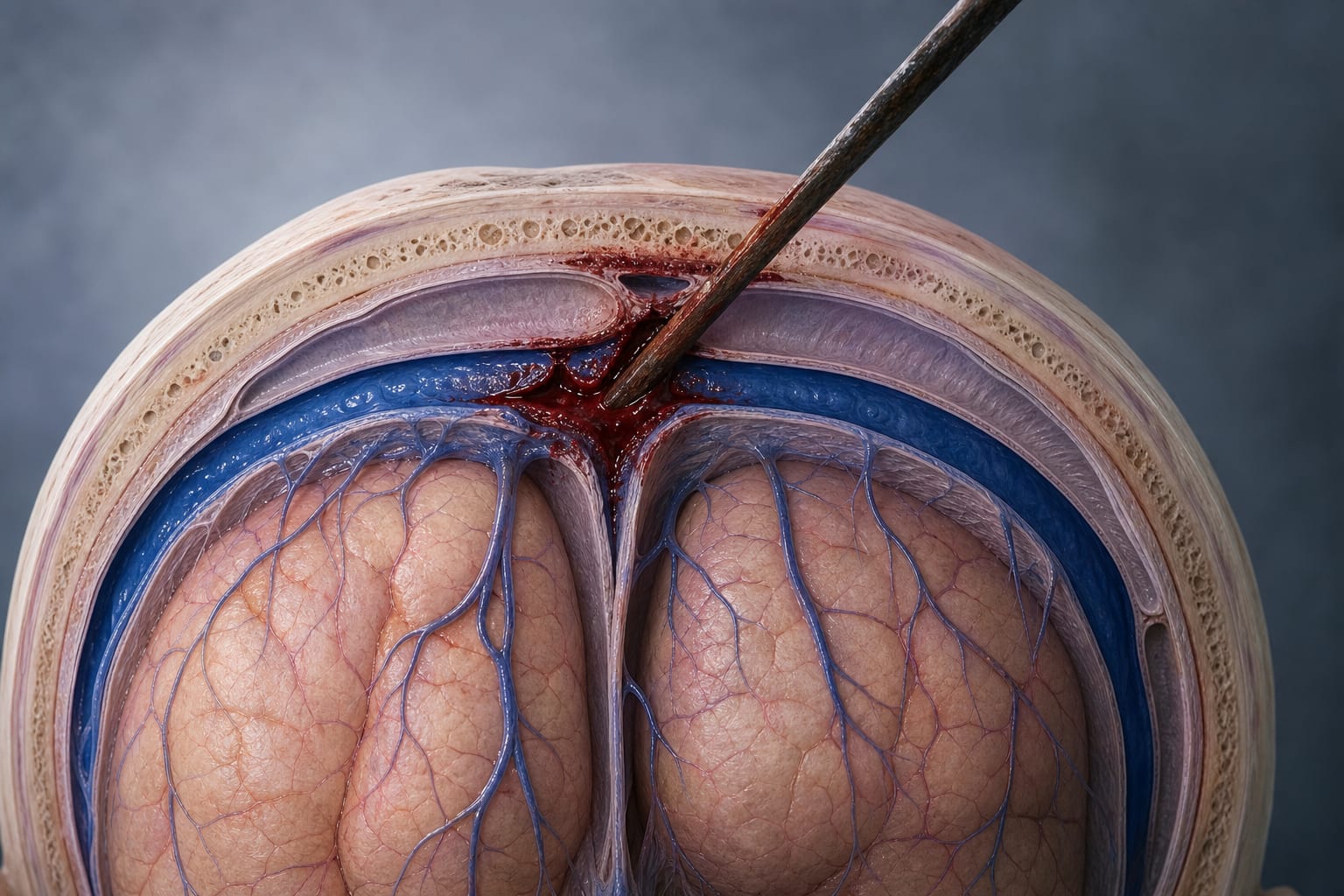
This systematic review characterizes penetrating superior sagittal sinus injuries (pSSSIs) over two centuries, highlighting their rarity and severe consequences. The study identifies key factors influencing outcomes, including injury mechanism, anatomical site, and surgical management strategies.
Background
Penetrating injuries of the superior sagittal sinus are uncommon but can lead to significant morbidity and mortality, with reported mortality rates as high as 42%. Understanding the mechanisms and management of these injuries is crucial for improving patient outcomes. Despite historical documentation, a standardized approach to treatment remains lacking, necessitating further research and consensus guidelines.
Data Highlights
{'mortality_rate': "27% (noting discrepancy with background section's 42%)"}
Key Findings
{'surgical_management': 'Expand on the effectiveness of different repair methods.'}
Clinical Implications
Clinicians should be aware of the high mortality associated with pSSSIs and the importance of timely intervention. Tailored surgical approaches that consider the mechanism and anatomical site of injury may improve outcomes. Further development of standardized management protocols is essential.
Conclusion
Penetrating superior sagittal sinus injuries present significant challenges in management and carry high mortality rates. Continued research is necessary to establish effective treatment guidelines and improve patient care.