Clinical Report: Single-cell RNA sequencing reveals clonal dynamics and biomarkers of treatment resistance in relapsed and refractory peripheral T-cell lymphoma
Overview
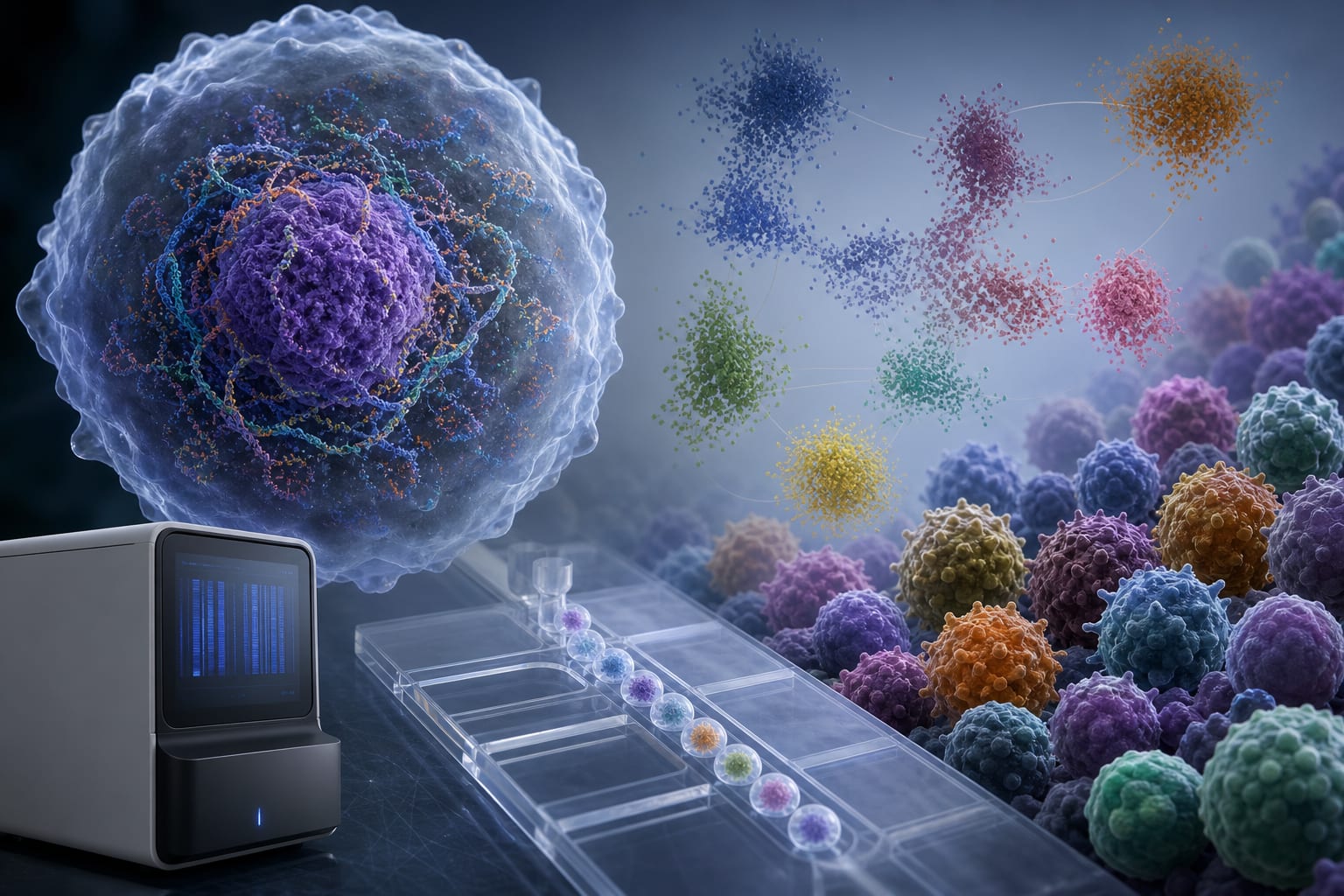
This study utilizes single-cell RNA sequencing to explore the transcriptional profiles of malignant T-cell clones in relapsed and refractory peripheral T-cell lymphoma (R/R PTCL). Key findings include the identification of gene upregulation associated with immune evasion and treatment resistance.
Background
Peripheral T-cell lymphoma (PTCL) is a rare and aggressive form of non-Hodgkin lymphoma, with approximately 30% of patients developing relapsed or refractory disease. This study aims to elucidate the transcriptional heterogeneity of malignant T-cell clones in R/R PTCL.
Data Highlights
No numerical data or trial data presented in the article.
Key Findings
Significant upregulation of genes related to cell proliferation, oncogenic signaling, and immune modulation in R/R PTCL.
Identification of protumorigenic ligand-receptor interactions, such as CXCL13–CXCR5 and CCL5–CCR5, that may facilitate immune evasion.
Longitudinal analysis showed downregulation of immune response-related genes following dual epigenetic therapy.
Functional reprogramming of tumor-associated macrophages was observed in treated patients.
Enhanced interactions of LGALS9–HAVCR2 and CSF1–CSF1R were noted post-combination treatment with chidamide and azacitidine.
Clinical Implications
The findings provide insights into the transcriptional landscape of R/R PTCL.
Conclusion
This study provides insights into the clonal dynamics and molecular mechanisms of treatment resistance in R/R PTCL.