Clinical Report: Utilizing Late Gadolinium Enhancement Cardiac MRI to Identify Myocardial Damage Following Cancer Treatment
Overview
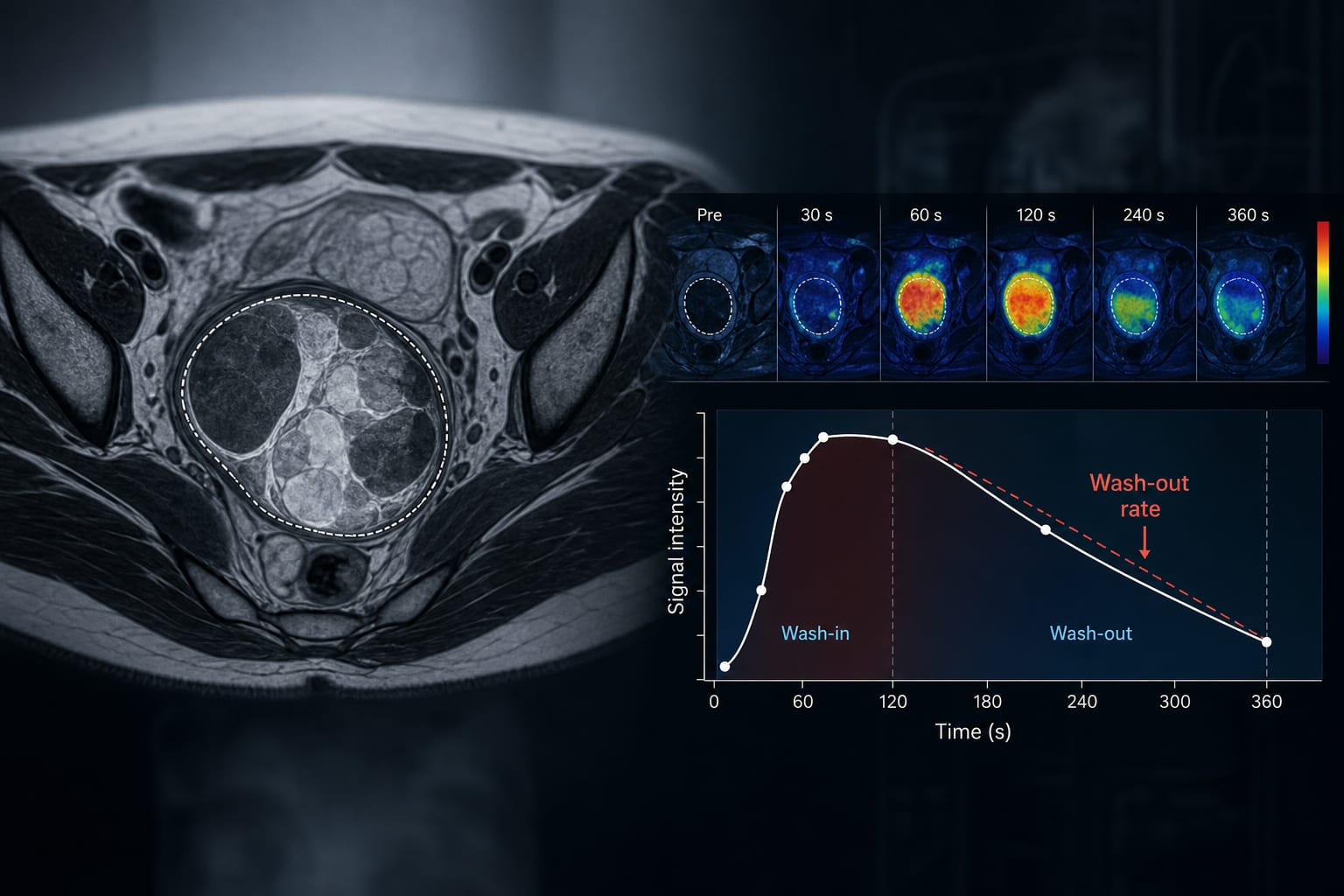
This observational study highlights the significant role of late gadolinium enhancement (LGE) cardiac MRI in detecting myocardial damage in cancer patients undergoing treatment. The presence of LGE was associated with reduced left ventricular ejection fraction (LVEF) and myocardial strain, indicating its potential as a risk factor for cardiotoxicity.
Background
As cancer treatments improve survival rates, the risk of cardiotoxicity becomes a critical concern for oncology patients. These individuals are at a heightened risk of cardiovascular disease, which is a leading cause of noncancer-related mortality. Accurate detection of myocardial damage during cancer therapy is essential for implementing cardioprotective strategies.
Data Highlights
Group
LVEF
Peak Strain (PS)
LGE− (n=80)
Normal
Higher
LGE+ (n=28)
Reduced
Lower
Key Findings
The LVEF and peak strain were significantly lower in LGE+ patients compared to LGE− patients (p < 0.05).
Moderate to strong correlations were found between circumferential peak diastolic strain rate, peak systolic strain rate, peak strain, and LVEF (r = 0.54 to r = 0.82; p < 0.001).
Multivariate analysis revealed independent relationships between N-terminal-pro B-type natriuretic peptide and myocardial strain metrics (p < 0.001).
Troponin T levels correlated with circumferential peak diastolic strain rate (p < 0.001).
The extent of LGE was significantly associated with circumferential peak strain (p < 0.001).
Clinical Implications
The findings underscore the importance of using LGE cardiac MRI for early detection of myocardial damage in cancer patients. Clinicians should consider integrating this imaging modality into routine assessments to guide cardioprotective measures during cancer therapy.
Conclusion
LGE serves as a critical indicator of left ventricular dysfunction in cancer patients, emphasizing the need for vigilant monitoring of cardiac health in this population.